Oshxonangizning infled qahramoni: Oziq-ovqat plyonkalarini o'rashning fan va barqarorligi (2)
Oziq-ovqat plyonkasi
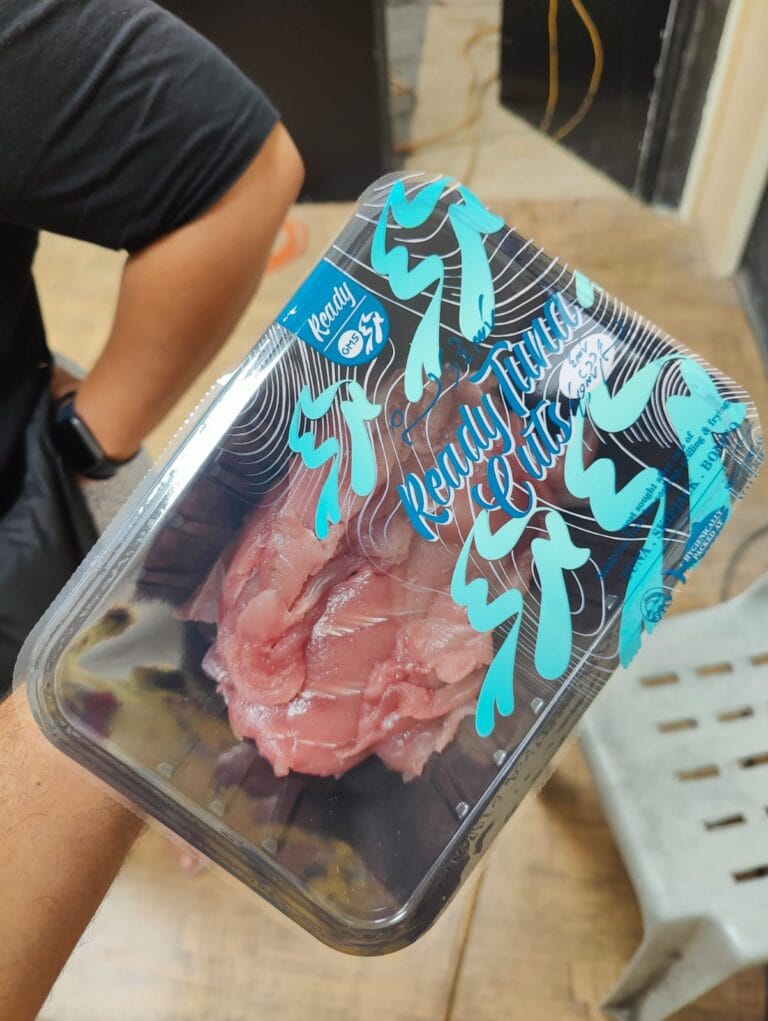
In every kitchen, katta yoki kichik, jim soqchilar yangi qoldiqlarni yangi, Tarkibi tashkil etilgan, va elementlardan himoyalangan ovqatlar: Oziq-ovqat plyonkasi. Ko'pincha odatdagi uy-joy sifatida ishdan bo'shatildi, bu ingichka, Uzoq materiallar muhandislikning ajalidir, Atrof-muhit muammolari bilan amaliylikni muvozanatlash. Let’s unravel the story behind food film wrap—its uses, Innovatsiyalar, and the push toward a greener future.
Why Food Film Wrap Matters
Oziq-ovqat plyonkasi, oziq-ovqat plyonkasi yoki plastmassa plyonka sifatida ham tanilgan, is a kitchen essential for a reason. Uningstretchability, clinging properties, vanamlik qarshiligi make it indispensable for:
- Tarkibni saqlash: Sealing in flavors and preventing spoilage by creating an airtight barrier.
- Preventing Cross-Contamination: Keeping raw meats, veggies, and baked goods separate in the fridge.
- Marinating & Pishirish: Covering dishes during marination or protecting food in the microwave.
- Organizing: Wrapping snacks, covering bowls, or bundling utensils for picnics.
The Evolution of Food Film Wrap
Modern food film wrap has come a long way from its humble beginnings. Early versions were brittle and difficult to handle, but advancements inpolymer technology (like PVC, Ldpe, and PVDC) transformed it into the stretchy, transparent wonder we know today.
- Pvc (Polivinil xlorid): The first widely used plastic wrap, known for its clarity and cling but criticized for containing plasticizers like phthalates.
- Ldpe (Low-Density Polyethylene): A safer, more flexible alternative, though less clingy.
- Pvdc (Polyvinylidene Chloride): Offers superior moisture and oxygen barriers, often used in premium wraps.
Bugun, many brands blend materials to balance performance and safety.
Ekologik kondundrum
Here’s the catch: traditional food film wrap is asingle-use plastic, contributing to the global pollution crisis. Most wraps are non-recyclable due to their thinness and contamination risks, poligon yoki okeanlarda tugaydi.
But the industry is evolving. Manufacturers and consumers alike are pushing for:
- Biologik parchalanishi: Wraps made from plant-based materials (like cornstarch) that decompose faster.
- Compostable Wraps: Certified to break down in industrial composting facilities.
- Reusable Alternatives: Silicone lids, beeswax wraps, and fabric bowl covers that cut down on plastic waste.
Sustainable Swaps for Eco-Conscious Cooks
If you’re ready to ditch traditional plastic wrap, here are planet-friendly alternatives:
- BeesWax Brips:
- How They Work: Coated in beeswax, Jojoba moyi, and tree resin, they mold to containers and food.
- Muloyim: Reusable for up to a year, compostable at end-of-life.
- Tanbeh: Not ideal for hot foods or raw meats.
- Silicone Lids/Covers:
- How They Work: Stretchy silicone lids that fit bowls, pans, and even cut produce.
- Muloyim: Dishwasher-safe, heat-resistant, and durable.
- Tanbeh: Limited flexibility for odd-shaped items.
- Fabric Bowl Covers:
- How They Work: Reusable fabric covers with elastic edges, often lined with waterproof material.
- Muloyim: Stylish, machine-washable, and zero-waste.
- Tanbeh: May not seal as tightly as plastic.
- Shisha yoki zanglamaydigan po'lat idishlar:
- How They Work: Airtight, reusable containers that eliminate the need for wrap entirely.
- Muloyim: Bardoshli, leak-proof, va ekologik toza.
- Tanbeh: Heavier and bulkier for storage.
Tips for Using Food Film Wrap Responsibly
If you’re not ready to part with plastic wrap entirely, here’s how to minimize its impact:
- Reduce Usage: Only use what’s necessary—avoid over-wrapping.
- Reuse Scraps: Small pieces can cover small bowls or wrap half-cut produce.
- To'g'ri qayta ishlash: Check if your local recycling accepts soft plastics (many grocery stores offer collection bins).
- Choose Eco-Brands: Look for wraps labeled “biodegradable” or “compostable” (though verify certifications).
The Future of Food Film Wrap
The next frontier? Eshitiladigan filmlar made from seaweed, milk proteins, or even potato starch. These innovations promise zero waste and could revolutionize food packaging. Imagine peeling off a wrap and eating it—or composting it guilt-free!
Xulosa
Food film wrap is a kitchen MVP, but its environmental footprint demands a rethink. By choosing sustainable alternatives or using plastic wrap mindfully, we can keep our food freshva our planet healthy.
What’s your go-to food storage solution? Share your tips for reducing plastic waste in the comments! Shum
Eslatma: Always check product labels for safety (E.G., microwave-safe wraps) and sustainability claims.