Film Clapl Claple-ning qadoqi va qanday qilib yashil kelajakni qanday o'tish kerakligi ko'rinadigan ekologik ta'siri
Film Rulkalash
From fresh produce wraps to e-commerce mailers, plyonkali rulonli qadoqlash - yupqa, himoya qilish va yopish uchun ishlatiladigan moslashuvchan plastik plitalar - zamonaviy hayotda hamma joyda mavjud. Yengil bo'lsa-da, tejamkor dizayn amaliy ko'rinadi, uning atrof-muhit izi qorong'uroq hikoya qiladi. Har yili, milliardlab funt sterling plyonkali chiqindilar poligonlarni to'sib qo'yadi, okeanlar, va ekotizimlar, highlighting an urgent need for systemic reform.
Why Film Roll Packaging Is a Recycling Conundrum
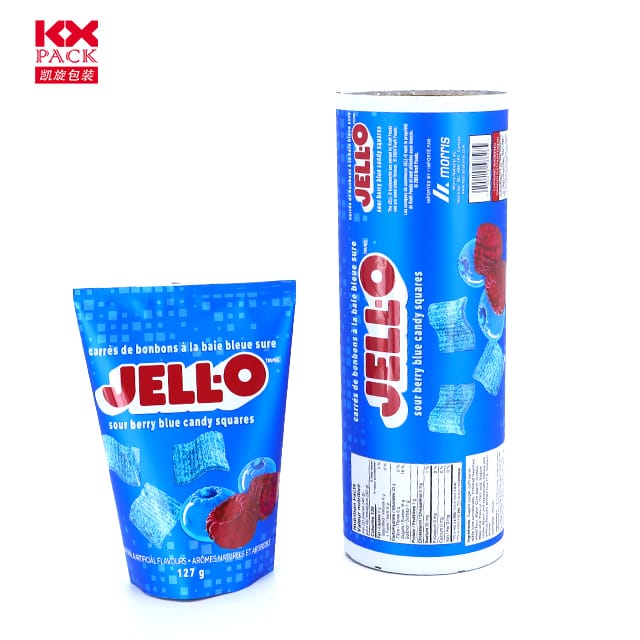
Film Rulkalash , typically made from low-density polyethylene (Ldpe) or linear low-density polyethylene (Lldor), poses unique recycling challenges:
- Contamination Risks:
Film often traps food residue, yorliq, yoki yopishtiruvchi narsalar, making it difficult to clean for recycling. Most municipal programs reject it due to contamination fears. - Logistical Hurdles:
Unlike rigid plastics, film rolls can jam machinery at recycling facilities. Specialized equipment is required to compact and process them, which many facilities lack. - Downcycling Dilemmas:
Qayta ishlanganda ham, film is typically “downcycled” into lower-value products like composite lumber or trash bags, perpetuating a cycle of single-use materials.
In the U.S., only 5% ning Film Rulkalash is recycled annually, with the rest ending up in landfills or as litter. Globally, the situation is equally dire, with plastic film contributing to 20% of marine plastic pollution.
Innovations Driving Sustainable Film Roll Solutions
Despite these obstacles, industry leaders and startups are pioneering eco-friendly alternatives:
- Biodegorda va kompostsion plyonkalar
- Companies like TIPA and BioPak are developing film rolls made from plant-based materials (E.G., makkajo'xori, cassava) that break down in industrial composting facilities within 180 kunlar.
- These films meet ASTM D6400 standards for compostability, offering a viable alternative to traditional LDPE.
- Post-Consumer Recycled (Pakal) Content
- Brands like Sealed Air and Novolex are incorporating 50%+ PCR content into their film rolls, Bokira plastmassaga tayanishni kamaytirish.
- Some mailers now use 100% Qayta ishlangan tarkib, though durability and cost remain barriers to widespread adoption.
- Reusable and Returnable Systems
- Loop, a circular shopping platform, partners with retailers to offer reusable film packaging for dry goods. Customers return the packaging via prepaid labels for cleaning and reuse.
- Modular systems (E.G., adjustable-length film dispensers) reduce waste by allowing users to cut only what they need.
- Paper-Based Alternatives
- Innovations like coated kraft paper (E.G., Natureflex by Futamura) offer water resistance and flexibility, replacing plastic film for certain applications (E.G., yangi mahsulot).
How Consumers and Businesses Can Take Action
- For Consumers:
- To'g'ri qayta ishlash: Check if your local grocery store accepts plastic film (many do via storefront bins). Avoid tossing film in curbside recycling.
- Choose Sustainable Brands: Look for labels like “100% Recycled” yoki “Home Compostable” on packaging.
- Reduce Usage: Ommaviy xaridlarni tanlang, qayta ishlatiladigan idishlar, or minimal-packaging stores.
- For Businesses:
- Adopt PCR Film: Transition to film rolls with 30–50% recycled content. Partner with suppliers like RJG Plastics or Eco-Products.
- Dekarmandlik uchun dizayn: Ensure packaging is easily separable (E.G., no glued labels) and compatible with recycling streams.
- Educate Customers: Include clear disposal instructions on packaging and promote recycling programs.
- Policy and Advocacy:
- Support Extended Producer Responsibility (Epchil) laws that require manufacturers to fund recycling infrastructure for film.
- Advocate for bans on single-use plastic films in non-essential applications (E.G., supermarket produce bags).
The Bigger Picture: Rethinking Flexible Packaging
Film Rulkalash is a symptom of a broader problem: our reliance on disposable, single-use materials. To achieve true sustainability, we must redesign packaging systems entirely:
- Invest in Reuse Models: Prioritize returnable containers, refill stations, and deposit schemes.
- Innovate Materials: Fund research into biodegradable polymers or edible films (E.G., dengiz o'tlari bo'yicha o'ralgan o'rash).
- Shift Consumer Behavior: Normalize reusable bags, konteynerlar, and bulk buying through incentives and education.
Xulosa: Wrapping Up a Greener Tomorrow
The next time you unroll a package or toss a plastic mailer, pause: that thin film could persist for centuries. But by supporting recyclable alternatives, advocating for policy change, and reducing consumption, we can unroll a future where packaging protects both products and the planet.
Act Now:
- Recycle your Film Rulkalash at local drop-off points.
- Switch to brands using compostable or recycled-content film.
- Share this post to raise awareness about film’s hidden environmental cost.
Birga, we can turn the tide on plastic waste—one flexible roll at a time.
Manba: Ellen MacArthur Foundation, EPA, Packaging Digest, TIPA Corp.