جدید زندگی کا غیر منقول ہیرو: پلاسٹک فلم لپیٹ کے پیچھے کی کہانی (6)
پلاسٹک فلم لپیٹنا
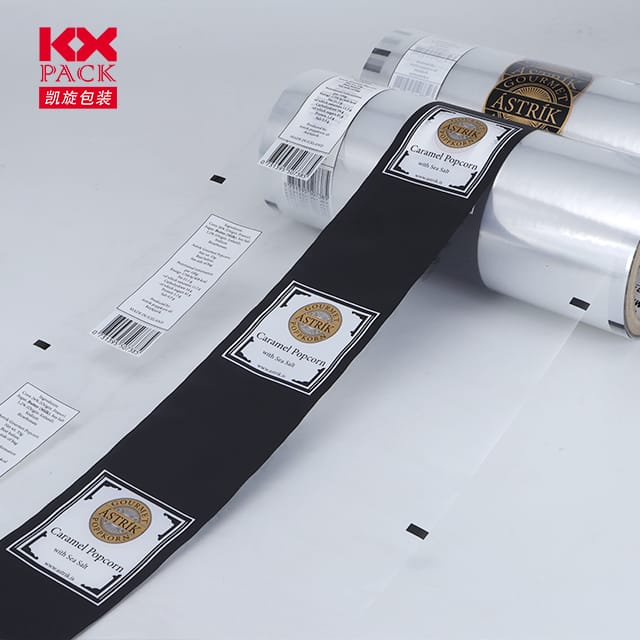
بائیں بازو کی حفاظت سے لے کر نازک پیکجوں کی حفاظت تک, پلاسٹک فلم لپیٹنا (اکثر کلنگ فلم کہا جاتا ہے, سرن لپیٹنا, یا اسٹریچ فلم) ہمارے روزمرہ کے معمولات میں ایک پرسکون ورک ہارس ہے. پھر بھی, اس کی سہولت جدت کی ایک پیچیدہ داستان کو ماسک کرتی ہے, ماحولیاتی اثر, اور پائیداری کی کوششوں کو تیار کرتے ہیں. آئیے اس ورسٹائل مادے کی کہانی کو بے نقاب کریں - اس کا استعمال ہوتا ہے, تنازعات, اور مستقبل یہ تشکیل دے رہا ہے.
پلاسٹک فلم کی لپیٹ کا ارتقا
پلاسٹک فلم لپیٹ نے 20 ویں صدی کے وسط تک اپنی جڑیں تلاش کیں, جب ڈاؤ کیمیکل نے پہلا متعارف کرایا “سرن لپیٹنا” میں 1949. اصل میں سامان کی حفاظت کے لئے فوجی استعمال کے لئے ڈیزائن کیا گیا ہے, چپکنے والی چیزوں کے بغیر سطحوں سے چمٹے رہنے کی اس کی صلاحیت نے اسے جلد ہی گھریلو اہم بنا دیا. آج, یہ صنعتوں میں استعمال ہوتا ہے:
- فوڈ اسٹوریج: تازگی کو محفوظ رکھنا, خراب ہونے کی روک تھام, اور کھانے کے فضلے کو کم کرنا.
- رسد & شپنگ: بنڈلنگ مصنوعات, پیلیٹ محفوظ کرنا, اور راہداری کے دوران سامان کی حفاظت کرنا.
- زراعت: کیڑوں یا سخت موسم سے فصلوں کو بچانا.
- صحت کی دیکھ بھال: طبی سامان کو جراثیم سے پاک کرنا اور لپیٹنے کی فراہمی.
اس کا ہلکا پھلکا, لچکدار, اور شفاف فطرت نے ہم پیکیج کے کس طرح انقلاب برپا کردیا ہے, اسٹور, اور ٹرانسپورٹ آئٹمز - لیکن کس قیمت پر?
ماحولیاتی conundrum
جبکہ پلاسٹک فلم لپیٹ ناقابل تردید فوائد کی پیش کش کرتی ہے, اس کے ماحولیاتی نقش کو نظرانداز کرنا مشکل ہے:
- سنگل استعمال کا فضلہ: ایک ہی استعمال کے بعد زیادہ تر لپیٹ کو مسترد کردیا جاتا ہے, میں تعاون کرنا 380 ہر سال عالمی سطح پر لاکھ ٹن پلاسٹک کا فضلہ پیدا ہوتا ہے.
- ری سائیکلنگ چیلنجز: بہت سے لپیٹ کم کثافت والی پالیتھیلین سے بنی ہیں (ایل ڈی پی ای), جو تکنیکی طور پر قابل تجدید ہے لیکن اکثر کھانے یا غیر قابل رسائ مواد سے آلودہ ہوتا ہے, کم ری سائیکلنگ کی شرحوں کی طرف جاتا ہے.
- مائکروپلاسٹک آلودگی: جب غلط طور پر تصرف کیا جائے, فلمی لپیٹ مائکروپلاسٹکس میں ٹوٹ جاتی ہے جو ماحولیاتی نظام میں گھس جاتی ہے, مٹی, اور یہاں تک کہ ہماری فوڈ چین.
ناقدین کا استدلال ہے کہ پلاسٹک کی لپیٹ کی سہولت سیاروں کی صحت کی قیمت پر آتی ہے۔ یہ ایک تجارت ہے جو فوری حل کا مطالبہ کرتی ہے.
پائیدار مستقبل کے لئے بدعات
خوشخبری? پلاسٹک کی لپیٹ کی صنعت تیار ہورہی ہے. یہاں کیسے ہے:
- بایوڈیگریڈیبل & کمپوسٹ ایبل متبادل:
- کمپنیاں پلانٹ پر مبنی مواد کے ساتھ تجربہ کر رہی ہیں (کارن اسٹارچ یا سمندری سوار کی طرح) لپیٹنے کے ل that جو قدرتی طور پر گل جاتا ہے.
- مثال: “نوٹ بک,” فوڈ پیکیجنگ کے ل a ایک اسٹارٹ اپ خوردنی/بائیوڈیگریڈ ایبل سمندری سوار پر مبنی فلمیں بناتا ہے.
- قابل عمل & ری سائیکل شدہ مواد:
- برانڈز پوسٹ صارفین کے ری سائیکل کے استعمال میں اضافہ کر رہے ہیں (پی سی آر) فلم کی تیاری میں پلاسٹک.
- بدعات جیسے “مونو میٹریل” لپیٹ (ایک قسم کے پلاسٹک سے بنا) ری سائیکل کو بہتر بنائیں.
- دوبارہ استعمال کے قابل نظام:
- سلیکون فوڈ کور, موم لپیٹ, اور دوبارہ قابل استعمال سلیکون اسٹریچ لِڈز گھریلو استعمال کے لیے ماحول دوست متبادل کے طور پر مقبولیت حاصل کر رہے ہیں۔.
- اسمارٹ پیکیجنگ:
- خوردنی کوٹنگز (کیسین یا طحالب پر مبنی فلموں کی طرح) کچھ ایپلی کیشنز کے لیے مکمل طور پر پلاسٹک کی جگہ لے سکتا ہے۔, شیلف زندگی کو بڑھانے کے لئے کوٹنگ کی پیداوار کے طور پر.
صارفین کی ذمہ داری: چھوٹی تبدیلیاں, بڑا اثر
جبکہ صنعتیں اختراع کرتی ہیں۔, افراد بھی کردار ادا کر سکتے ہیں۔:
- کم کریں: ڈسپوزایبل فلم کے بجائے دوبارہ قابل استعمال کنٹینرز یا موم کے لپیٹوں کا انتخاب کریں۔.
- دائیں کو ری سائیکل کریں: مقامی رہنما خطوط چیک کریں — کچھ علاقے ری سائیکلنگ ڈبوں میں صاف LDPE لپیٹے قبول کرتے ہیں۔.
- پائیدار برانڈز کی حمایت کریں۔: ماحول دوست مواد کو ترجیح دینے والی کمپنیوں کا انتخاب کریں یا دوبارہ بھرنے/دوبارہ استعمال کرنے والے پروگراموں کا انتخاب کریں۔.
آگے کی سڑک
پلاسٹک فلم کی لپیٹ کسی بھی وقت جلد ختم نہیں ہو رہی ہے — اس کی افادیت بہت وسیع ہے۔. البتہ, مستقبل میں ہےپائیداری کے لیے اسے دوبارہ ڈیزائن کرنا. چاہے بایوڈیگریڈیبل مواد کے ذریعے, بند لوپ ری سائیکلنگ کے نظام, یا رویے میں تبدیلی, مقصد واضح ہے: سیارے پر سمجھوتہ کیے بغیر اس سہولت کو محفوظ رکھیں جس سے ہم پیار کرتے ہیں۔.
بطور صارفین اور اختراع کار, ہم اس کہانی کو نئی شکل دینے کی طاقت رکھتے ہیں۔. اگلی بار جب آپ پلاسٹک کی لپیٹ کے اس رول کے لیے پہنچیں گے۔, اپنے آپ سے پوچھیں: کیا کوئی سبز متبادل ہے؟? کیونکہ آج ہم جو انتخاب کرتے ہیں وہ اس بات کا تعین کرے گا کہ آیا یہ عاجز مواد ہیرو رہے گا یا کل کی کہانی میں ولن بنے گا۔.
پلاسٹک فلم کی لپیٹ کے بارے میں آپ کا کیا خیال ہے؟? اس سے محبت کرتے ہیں, اس سے نفرت کرو, یا متبادل کی تلاش میں؟? آئیے تبصرے میں گفتگو کرتے ہیں! 🌍💡