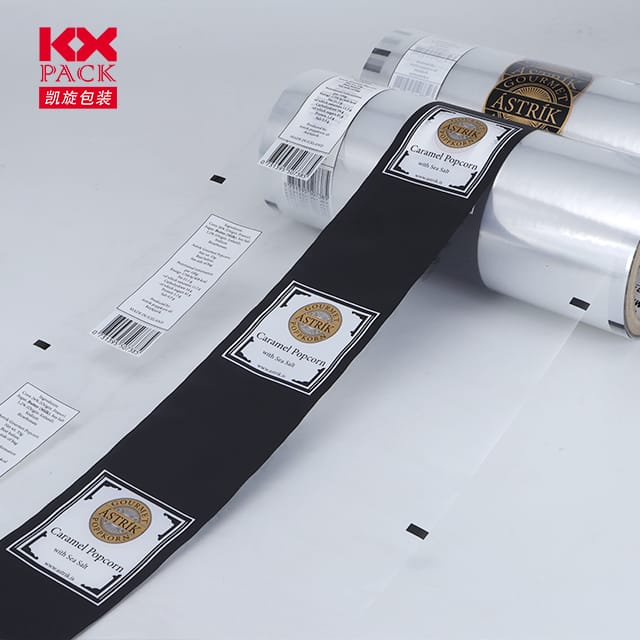
پلاسٹک فلم مینوفیکچرنگ میں بدعات اور استحکام: ایک قریبی نظر
پلاسٹک فلم مینوفیکچرنگ
The global demand for پلاسٹک فلم مینوفیکچرنگ continues to surge, پیکیجنگ میں ایپلی کیشنز کے ذریعہ کارفرما ہے, زراعت, الیکٹرانکس, اور طبی صنعتیں. انڈسٹری رپورٹس کے مطابق, the global market for plastic films reached approximately 787کھرب2022∗ باد,withprojectionsindicatingsteadygrowthto∗∗963.7 billion by 2029, کے ایک سی اے جی آر پر 2.9%. یہ توسیع جدید مینوفیکچرنگ میں شعبے کے اہم کردار کی نشاندہی کرتی ہے, yet it also highlights pressing challenges, particularly in environmental sustainability and technological advancement.
تکنیکی ترقی: From Hardness to Smart Manufacturing
One key area of innovation in پلاسٹک فلم مینوفیکچرنگ is the development of high-performance materials. مثال کے طور پر, bidirectional stretched polyamide (BOPA) فلمیں, known for their exceptional barrier properties, طاقت, and temperature resistance, have seen a 13.01% سی اے جی آر in demand growth from 2016 کو 2023 in China alone. کمپنیاں پسند کرتی ہیں Zhonglun New Materials Co., لمیٹڈ. have pioneered integrated production technologies, enabling the creation of ultra-thin, high-hardness films with reduced curling issues. These advancements rely on precise control of molecular orientation during the stretching process, enhancing mechanical durability without compromising flexibility.
Another breakthrough is the integration of real-time early warning systems in semi-automated production lines. Researchers have developed algorithms to monitor crusher processes—traditionally difficult to automate due to sensor installation constraints—by analyzing data from adjacent machinery. This approach reduces downtime, minimizes waste, and improves product consistency. مثال کے طور پر, a 2025 study by Kim et al. demonstrated a 92% accuracy rate in predicting equipment failures, significantly cutting maintenance costs.(پلاسٹک فلم مینوفیکچرنگ.
ماحولیاتی چیلنجز اور پائیدار حل
The plastic film industry faces intense scrutiny over its environmental footprint. Production processes consume vast amounts of fossil fuels, emit greenhouse gases, and generate toxic wastewater. اضافی طور پر, the non-biodegradable nature of conventional films exacerbates plastic pollution. To address these issues, مینوفیکچررز سرمایہ کاری کر رہے ہیں:
- Biodegradable and Recyclable Materials: فلمیں بنی ہیں پولیٹک ایسڈ (pla) or starch-based polymers are gaining traction. While PLA films decompose within 6–12 months under industrial composting conditions, their mechanical properties often lag behind petroleum-based alternatives.
- Closed-Loop Recycling Systems: Advanced sorting technologies now enable the separation of contaminated films from clean ones, improving recyclate quality. Some facilities are adopting کیمیائی ری سائیکلنگ methods to break down mixed plastics into raw materials for new films.
- توانائی سے موثر عمل: Companies are adopting UV-cured coatings اور پانی پر مبنی سیاہی to reduce VOC emissions. مثال کے طور پر, a 2025 environmental impact report for a plastic film project in China documented a 75% reduction in VOC emissions through UV-light treatment and activated carbon filtration.
Regulatory and Market Trends
Governments worldwide are imposing stricter regulations on plastic use. The EU’sSingle-Use Plastics Directive bans certain non-recyclable films, while China’s “14th Five-Year Plan” mandates a30% reduction in plastic waste by 2025. These policies are accelerating the shift toward sustainable alternatives.
On the market front, consumers increasingly favor brands using eco-friendly packaging. This demand has spurred innovations likeخوردنی فلمیں (made from seaweed or rice proteins) اورپانی میں گھلنشیل فلمیں for detergent pods. البتہ, cost remains a barrier—biodegradable films are typically20–50% more expensive than conventional options.
پلاسٹک فلم مینوفیکچرنگ کا مستقبل
The industry’s trajectory hinges on balancing innovation with sustainability. Key priorities include:
- Scaling Circular Economy Models: Developing take-back programs for used films and incentivizing recycled content.
- Investing in Green Chemistry: Creating novel polymers with lower carbon footprints.
- Leveraging AI and IoT: Enhancing process control through predictive maintenance and real-time quality monitoring.
As stakeholders navigate these challenges, collaboration between manufacturers, پالیسی ساز, and consumers will be critical. The plastic film sector, once synonymous with environmental harm, now stands at a crossroads—poised to redefine itself as a leader in sustainable materials innovation.
What are your thoughts on the future of plastic film manufacturing? ذیل میں اپنی بصیرت کا اشتراک کریں!
کلیدی الفاظ: Plastic film manufacturing, BOPA films, استحکام, بائیوڈیگریڈیبل مواد, smart manufacturing, environmental regulations.