پیکیجنگ کے لئے پلاسٹک فلم کا ارتقاء اور اثر: بدعت اور استحکام کو متوازن کرنا
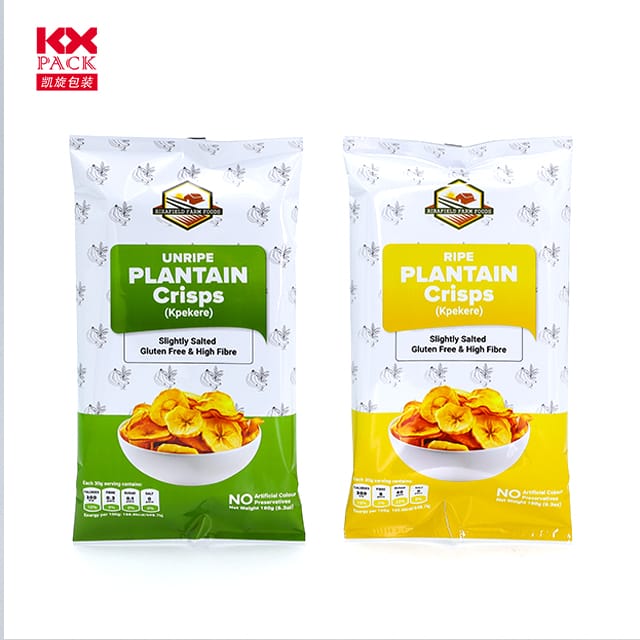
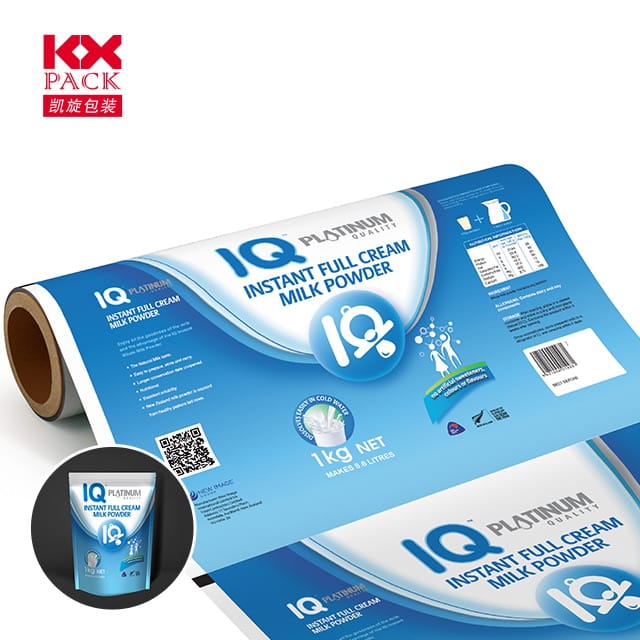
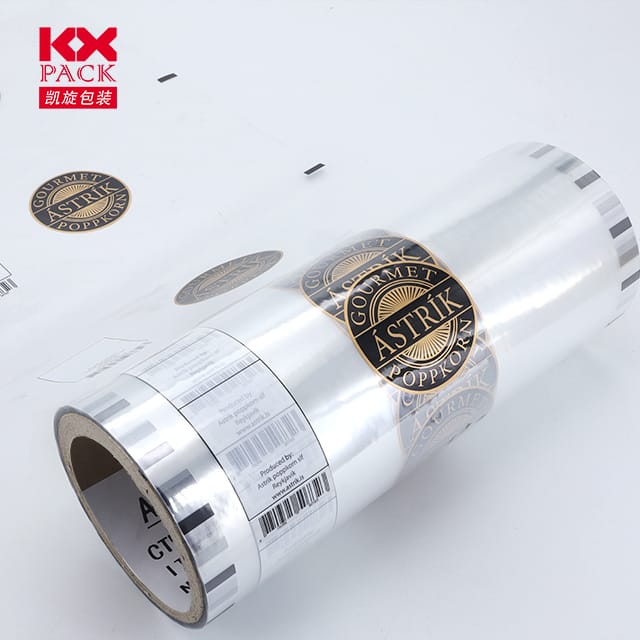
پیکیجنگ کے لئے پلاسٹک فلم
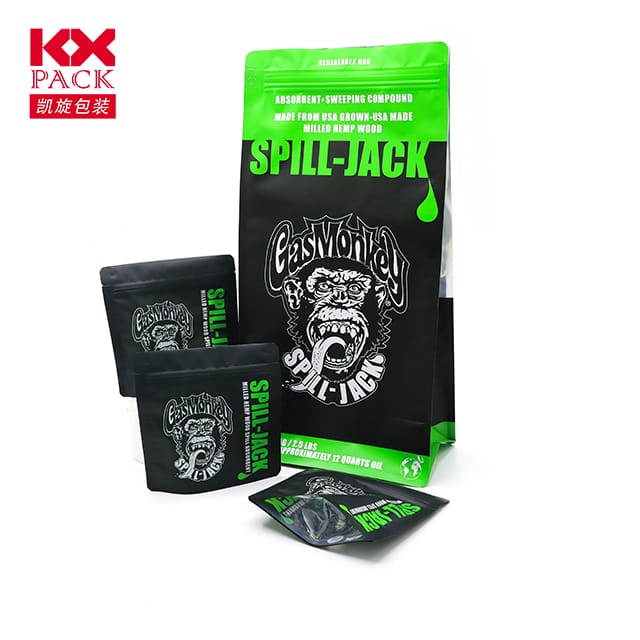
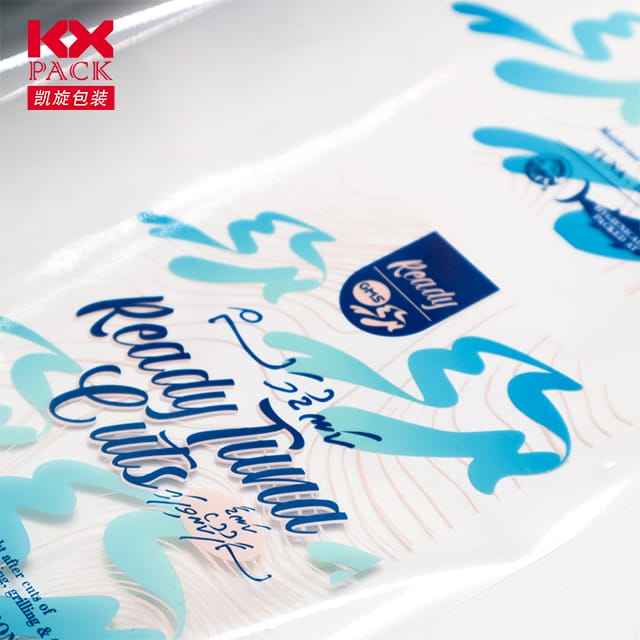
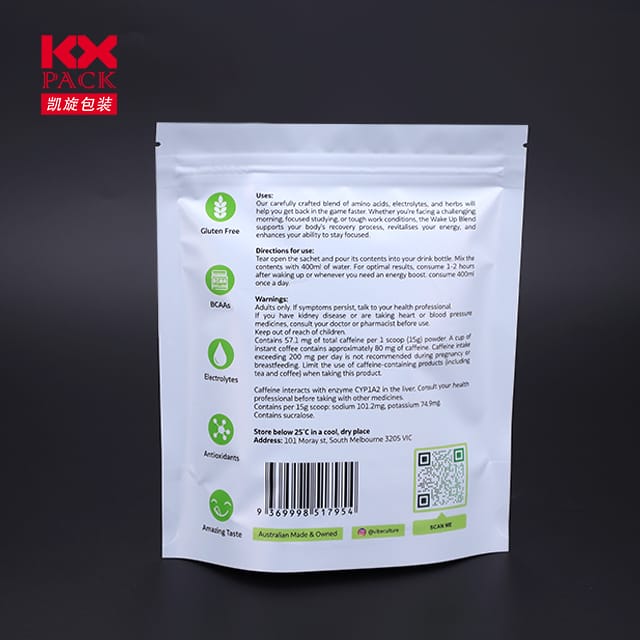
آج کی تیز رفتار صارفین کی دنیا میں, پیکیجنگ کے لئے پلاسٹک فلم ایک غیر منقول ہیرو کی حیثیت سے کھڑا ہے, موثر اسٹوریج کو خاموشی سے چالو کرنا, نقل و حمل, اور ان گنت مصنوعات کا تحفظ. تازہ پیداوار سے لے کر الیکٹرانکس تک, اس ورسٹائل مادے نے سپلائی چینز اور توسیع شدہ مصنوعات کی شیلف زندگیوں میں انقلاب برپا کردیا ہے. پھر بھی, اس کی بالادستی ماحولیاتی اثرات اور پائیدار متبادل کی فوری ضرورت کے بارے میں بھی تنقیدی سوالات اٹھاتی ہے. آئیے پیکیجنگ میں پلاسٹک فلم کے کردار کو کھولیں, اس کے فوائد, چیلنجز, اور آگے کا راستہ.
کیوں پلاسٹک فلم پیکیجنگ پر حاوی ہے
پیکیجنگ کے لئے پلاسٹک فلم, عام طور پر پولیٹیلین سے بنایا گیا ہے (PE), پولی پروپیلین (پی پی), یا پولی وینائل کلورائد (پیویسی), اس کے لئے پسندیدہ ہے:
- ہلکا پھلکا استحکام: مصنوعات کو نمی سے بچاتا ہے, دھول, اور زیادہ وزن میں اضافہ کیے بغیر جسمانی نقصان.
- لاگت کی کارکردگی: گلاس یا دھات جیسے متبادلات کے مقابلے میں کم پیداوار اور نقل و حمل کے اخراجات.
- لچک: متنوع مصنوعات کی شکلوں کو فٹ کرنے کے لئے آسانی سے ڈھال دیا گیا, فاسد کھانے کی اشیاء سے لے کر نازک الیکٹرانکس تک.
- رکاوٹ کی خصوصیات: آکسیجن کو کنٹرول کرنے کے لئے حسب ضرورت, روشنی, اور بدبو ٹرانسمیشن, مصنوعات کی تازگی کو محفوظ رکھنا.
یہ خصلت اسے کھانے اور مشروبات جیسی صنعتوں کے لئے ناگزیر بناتے ہیں, دواسازی, اور ای کامرس. مثال کے طور پر, ترمیم شدہ ماحول پیکیجنگ (نقشہ) پلاسٹک کی فلموں کا استعمال ہفتوں تک گوشت اور سبزیوں جیسے تباہ کنوں کی شیلف زندگی کو بڑھانے کے لئے کرتا ہے, کھانے کے فضلے کو کم کرنا - خود میں ماحولیاتی تشویش.
ماحولیاتی تضاد
اس کے فوائد کے باوجود, پیکیجنگ کے لئے پلاسٹک فلم بڑھتے ہوئے عالمی بحران میں تعاون کرتا ہے:
- سنگل استعمال کی ثقافت: ایک تخمینہ 40% تیار کردہ تمام پلاسٹک میں سے پیکیجنگ کے لئے ہے, اس کا بیشتر حصہ ایک ہی استعمال کے بعد مسترد کردیا گیا.
- آلودگی: نامناسب تصرف سمندروں میں پلاسٹک کے کچرے کا باعث بنتا ہے, لینڈ فلز, اور ماحولیاتی نظام, جہاں اسے گلنے میں صدیوں کا وقت لگ سکتا ہے.
- مائکروپلاسٹکس: بکھرے ہوئے پیکیجنگ کے لئے پلاسٹک فلم مائکروپلاسٹکس میں ٹوٹ جائیں, پانی کی فراہمی میں دراندازی, مٹی, اور یہاں تک کہ انسانی کھانے کی زنجیر بھی.
چیلنج پلاسٹک فلم کے فعال فوائد کو اس کے ماحولیاتی نقش کے ساتھ مل کر ہے.
بدعات ڈرائیونگ پائیداری
پیکیجنگ انڈسٹری جدید حل کے ساتھ جواب دے رہی ہے:
- بائیوڈیگریڈ ایبل اور کمپوسٹ ایبل فلمیں:
- پولی لیکٹک ایسڈ جیسے مواد (pla), قابل تجدید وسائل سے اخذ کیا گیا (جیسے, مکئی کا نشاستہ), صنعتی کمپوسٹنگ کی سہولیات میں گلنا.
- نشاستے پر مبنی مرکب اور طحالب سے حاصل کردہ فلمیں ماحول دوست متبادل کے طور پر ابھر رہی ہیں.
- ری سائیکل اور ری سائیکل مواد:
- کیمیائی ری سائیکلنگ میں پیشرفت صارفین کے بعد کے پلاسٹک کے فضلہ کو اعلی معیار کی فلموں میں تبدیل کررہی ہے.
- مونو مادی پیکیجنگ کے لئے پلاسٹک فلم (جیسے, آل پی ای پاؤچ) ری سائیکلنگ کے عمل کو آسان بناتا ہے.
- دوبارہ استعمال کے قابل پیکیجنگ سسٹم:
- برانڈز قابل واپسی کے ساتھ تجربہ کر رہے ہیں, پائیدار پلاسٹک لائنر کے ساتھ جوڑا بنائے ہوئے ریفلیبل کنٹینرز.
- بند لوپ سسٹم سپلائی چین میں پیکیجنگ کا دوبارہ استعمال کرکے فضلہ کو کم سے کم کرتے ہیں.
- خوردنی اور پانی میں گھلنشیل فلمیں:
- کھانے پینے یا تحلیل لانڈری ڈٹرجنٹ پھلیوں کے لئے سمندری سوار پر مبنی کاسنگ جیسی بدعات روایتی پلاسٹک پر انحصار کم کرتی ہیں.
صارفین اور پالیسی کا کردار
استحکام صرف ایک صنعت کی ذمہ داری نہیں ہے. صارفین تبدیلی کے ذریعہ گاڑی چلا سکتے ہیں:
- معاون برانڈز جو قابل تجدید یا کمپوسٹ ایبل پیکیجنگ کو ترجیح دیتے ہیں.
- بہتر ری سائیکلنگ انفراسٹرکچر اور واضح لیبلنگ کی وکالت کرنا.
- پلاسٹک کی فلموں کو دوبارہ استعمال کرنا (جیسے, کھانے کے ذخیرہ کرنے کے لئے) جہاں ممکن ہو.
حکومتیں اور ریگولیٹرز بھی ایک اہم کردار ادا کرتے ہیں. پالیسیاں جیسے توسیع شدہ پروڈیوسر کی ذمہ داری (ای پی آر) قوانین, پلاسٹک ٹیکس, اور سنگل استعمال پلاسٹک پر پابندی سبز متبادل میں منتقلی کو تیز کررہی ہے.
آگے دیکھ رہے ہیں: ایک سرکلر مستقبل
مثالی منظر نامہ ایک ہےسرکلر معیشت پلاسٹک فلم پیکیجنگ کے لئے, جہاں مواد کو دوبارہ استعمال کے لئے ڈیزائن کیا گیا ہے, ری سائیکلنگ, یا محفوظ کمپوسٹنگ. اس کی ضرورت ہے:
- ری سائیکلنگ کے عمل کو معیاری بنانے کے لئے صنعتوں میں تعاون.
- R میں سرمایہ کاری&D کارکردگی پر سمجھوتہ کیے بغیر پائیدار مواد کی پیمائش کرنا.
- صارفین کی تعلیم فضلہ میں کمی کی طرف طرز عمل کو تبدیل کرنے کے لئے.
نتیجہ
پیکیجنگ کے لئے پلاسٹک فلم ایک دو دھاری تلوار ہے: جدید انجینئرنگ کا ایک حیرت جس نے عالمی تجارت کو تبدیل کردیا ہے بلکہ جیواشم ایندھن اور ڈسپوز ایبل کلچر پر انسانیت کی حد سے تجاوز کی علامت بھی ہے۔. راستہ آگے بڑھنے کا مطالبہ کرتا ہے, احتساب, اور ہم کس طرح پیدا کرتے ہیں اس کا اجتماعی دوبارہ تصور کرنا, استعمال کریں, اور پیکیجنگ کو خارج کردیں. پائیدار متبادلات کو اپنانے اور نظامی تبدیلی کی وکالت کرکے, ہم اس بات کو یقینی بناسکتے ہیں کہ پلاسٹک فلم کی میراث ترقی میں سے ایک ہے - آلودگی نہیں.
پلاسٹک کی پیکیجنگ پر آپ کا کیا فائدہ ہے؟? ذیل میں دیئے گئے تبصروں میں اپنے خیالات یا پائیدار تبادلوں کا اشتراک کریں! 🌍♻