پلاسٹک فلم کا ارتقاء اور اثر: جدت سے استحکام تک (3) چیلنجز
پلاسٹک فلم
Plastic film, ایک ورسٹائل ابھی تک اکثر غیر منقولہ مواد, جدید زندگی کو لاتعداد طریقوں سے گھیرے میں لیتا ہے. پیکیجنگ فوڈ اور فصلوں کی حفاظت سے لے کر طبی آلات کو بڑھانے اور عمارتوں کو موصل کرنے تک, اس کے ہلکا پھلکا استحکام اور لاگت کی تاثیر نے اسے ناگزیر بنا دیا ہے. البتہ, جیسا کہ ماحولیاتی خدشات بڑھتے ہیں, پلاسٹک فلم انڈسٹری کو ایک اہم موڑ کا سامنا ہے: balancing innovation with sustainability.
A Multifaceted Marvel: صنعتوں میں درخواستیں
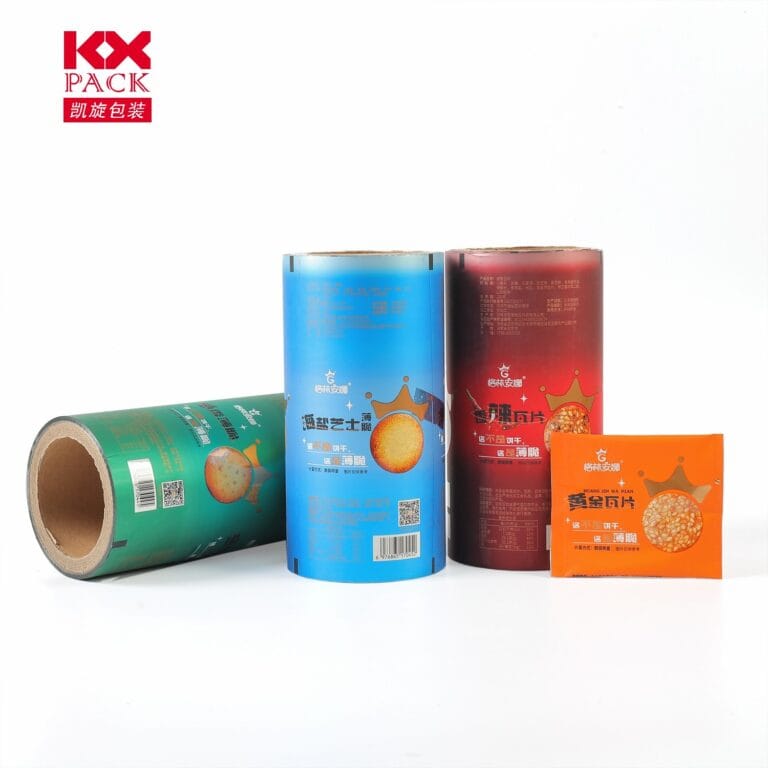
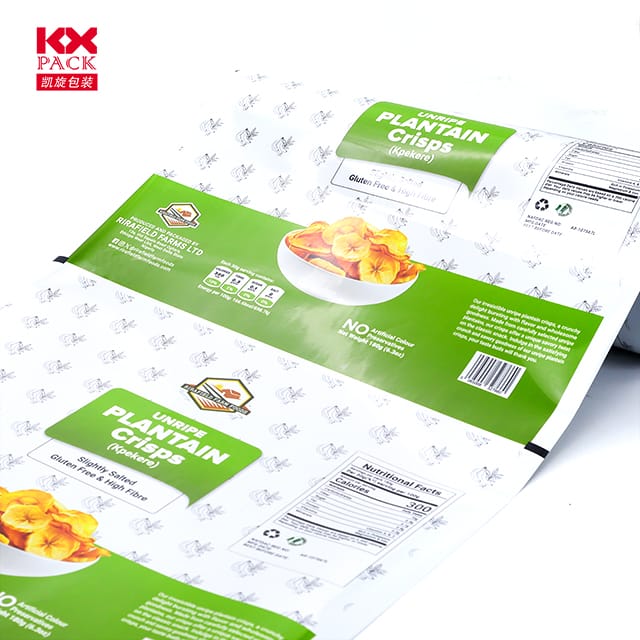
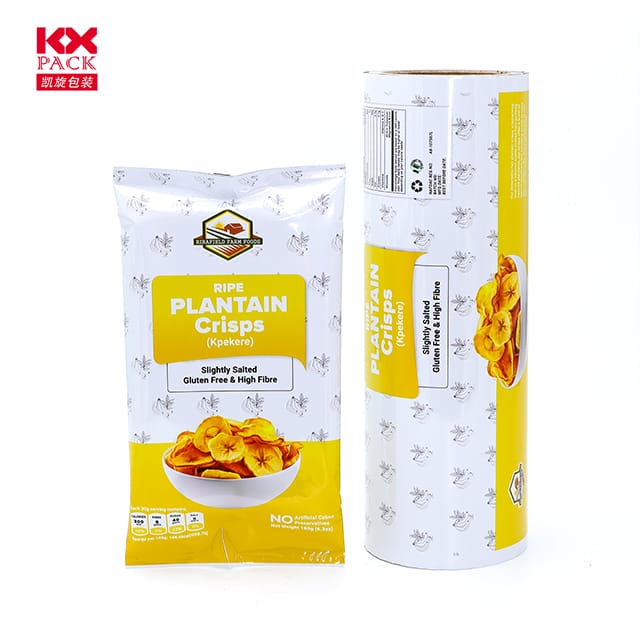
Plastic film’s adaptability stems from its composition—typically polyethylene (PE), پولی پروپیلین (پی پی), یا پولی وینائل کلورائد (پیویسی)—which can be tailored for specific uses:
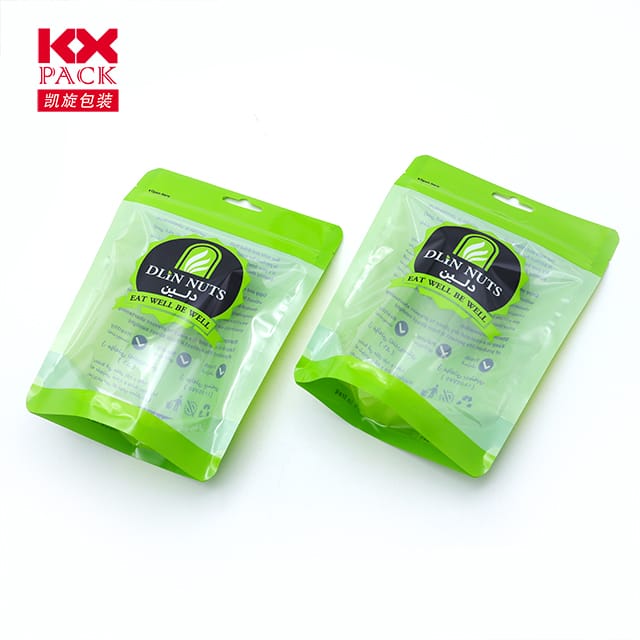
- فوڈ پیکجنگ: کھینچنے والی فلمیں, لپیٹ کر لپٹ, and vacuum-sealed pouches extend shelf life and reduce waste.
- زراعت: Mulch films conserve water, suppress weeds, and boost crop yields by up to 30% in arid regions.
- صحت کی دیکھ بھال: Sterile wraps for surgical instruments and blister packs for pharmaceuticals ensure safety and hygiene.
- تعمیر: Vapor barriers and shrink films protect buildings from moisture during construction.
The global plastic film market, قیمت پر$160 ارب میں 2023, پر بڑھنے کا امکان ہے۔ 4.5% annually, driven by emerging economies and e-commerce packaging demands.
ماحولیاتی conundrum: ایک دو دھاری تلوار
اس کی افادیت کے باوجود, plastic film’s environmental footprint is undeniable:
- Waste Accumulation: Single-use plastic films, such as shopping bags and food wraps, account for20% of marine plastic pollution, entangling wildlife and microplastics infiltrating ecosystems.
- ری سائیکلنگ رکاوٹیں: پتلی, multi-layered films are difficult to sort and process, with recycling rates hovering around5–15 ٪ in developed nations.
- Microplastic Threat: Fragmented films release tiny particles into soil and water, posing risks to human health through the food chain.
ریگولیٹری دباؤ, such as the EU’sSingle-Use Plastics Directive and China’s ban on non-degradable bags, are forcing industries to rethink plastic film’s role.
Pioneering Solutions for a Circular Future
ان چیلنجوں سے نمٹنے کے لئے, manufacturers and innovators are exploring sustainable alternatives:
- بائیوڈیگریڈ ایبل اور کمپوسٹ ایبل فلمیں:
- پی ایل اے جیسے مواد (پولیٹک ایسڈ), کارن نشاستے سے ماخوذ ہے, and PBAT (پولی بوٹیلین ایڈیپیٹ ٹیرفٹیلیٹ) offer eco-friendly options. جیسے برانڈزفطرت ورکس اورBASF are scaling production.
- کیس اسٹڈی: A UK supermarket chain replaced conventional bags with compostable PLA films, reducing plastic waste by 40%.
- اعلی درجے کی ری سائیکلنگ ٹیکنالوجیز:
- Chemical recycling breaks down mixed plastics into raw materials, enabling closed-loop systems.
- Mechanical recycling upgrades post-consumer films into pallet wraps or construction materials.
- Reusable and Thinner Alternatives:
- High-barrier, recyclable mono-material films (جیسے, PE-only packaging) simplify recycling.
- بدعات جیسےedible seaweed-based coatings for fresh produce could eliminate single-use wraps entirely.
Industry Collaboration and Policy Drivers
Governments and corporations are aligning to accelerate change:
- توسیعی پروڈیوسر کی ذمہ داری (ای پی آر) schemes in the EU and U.S. mandate brands to fund recycling infrastructure.
- کارپوریٹ وعدے: یونی لیور, نیسلے, and Walmart aim to use 100% recyclable or reusable packaging by 2025, driving demand for sustainable films.
- Agricultural Innovations: Biodegradable mulch films, tested in India and the U.S., decompose within 180 دن, reducing soil contamination.
آگے کی سڑک: توازن پیشرفت اور سیارے
The future of plastic film hinges on three pillars:
- مادی جدت: Scaling bio-based and recyclable alternatives without compromising performance.
- سرکلر ڈیزائن: Prioritizing reusability, ری سائیکلیبلٹی, and compostability in product development.
- Consumer Engagement: Educating the public on proper disposal and advocating for reuse systems.
As technologies mature and policies tighten, plastic film could transition from a symbol of environmental harm to a beacon of sustainable innovation. The challenge lies not in abandoning this versatile material, but in reimagining its lifecycle—from linear waste to circular resource.
ذرائع: سمتھرس پیرا, ایلن میک آرتھر فاؤنڈیشن, Industry Reports 2024
نتیجہ: Plastic film, once a hallmark of convenience, now stands at a crossroads. جدت کو قبول کرکے, تعاون, اور ماحولیاتی ذمہ داری, the industry can safeguard both human needs and the planet’s future. The journey has begun—will we rise to the challenge?