جدت طرازی کا استحکام: فوڈ پیکیجنگ فلموں کا ارتقا (4)
فوڈ پیکیجنگ فلمیں
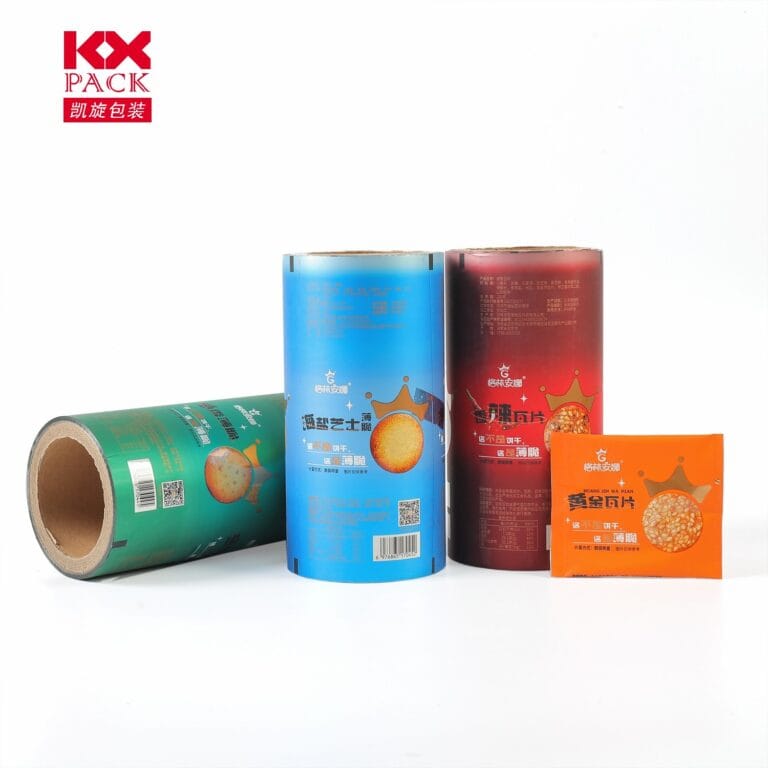
ایک ایسے دور میں جہاں سہولت ماحولیاتی شعور سے ملتی ہے۔, کھانے کی پیکیجنگ فلمیں خوراک کی حفاظت کو متوازن کرنے کے لیے ایک اہم میدان جنگ کے طور پر ابھرے ہیں۔, شیلف لائف, اور ماحولیاتی ذمہ داری. یہ پتلی, ورسٹائل پرتیں صرف اپنے ناشتے کی حفاظت سے زیادہ کام کرتی ہیں۔ وہ فضلہ کو کم کرنے میں اہم کردار ادا کرتے ہیں, تازگی کو محفوظ رکھنا, اور سرکلر معیشت کو اپنانا. آئیے فوڈ پیکیجنگ فلموں کی دنیا میں غوطہ لگائیں اور دریافت کریں کہ وہ پائیدار کھپت کے مستقبل کو کس طرح نئی شکل دے رہی ہیں۔.
فوڈ پیکیجنگ فلموں کا کردار: تحفظ سے آگے
فوڈ پیکیجنگ فلمیں متعدد مقاصد کی تکمیل کے لیے بنائی گئی ہیں۔:
- تحفظ: نمی کے خلاف رکاوٹ کی خصوصیات, آکسیجن, اور روشنی مصنوعات کی شیلف زندگی میں توسیع کرتی ہے۔.
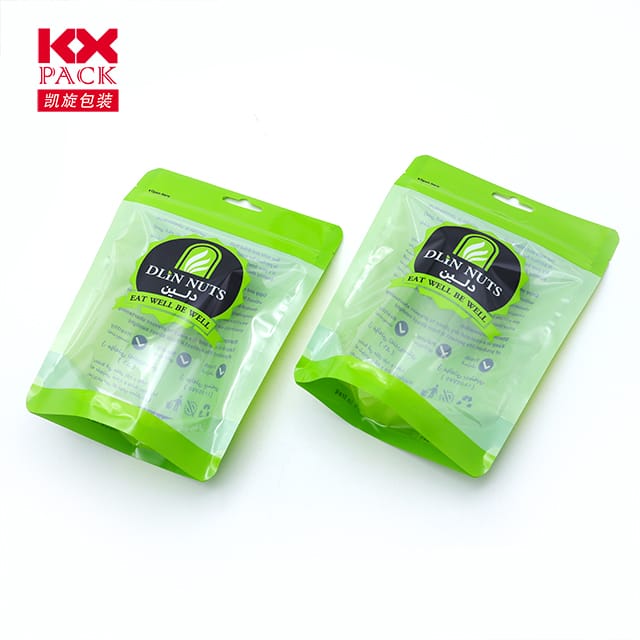
- سہولت: آسانی سے کھولنے والی مہریں۔, دوبارہ قابل زپرس, اور حصہ کنٹرول شدہ پیکیجنگ جدید طرز زندگی کو پورا کرتی ہے۔.
- حفاظت: چھیڑ چھاڑ کے واضح ڈیزائن اور اینٹی مائکروبیل کوٹنگز کھانے کی سالمیت کو یقینی بناتے ہیں۔.
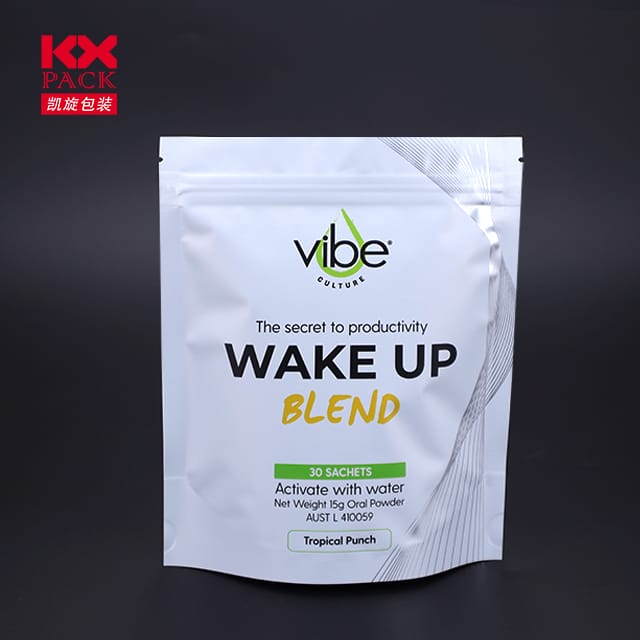
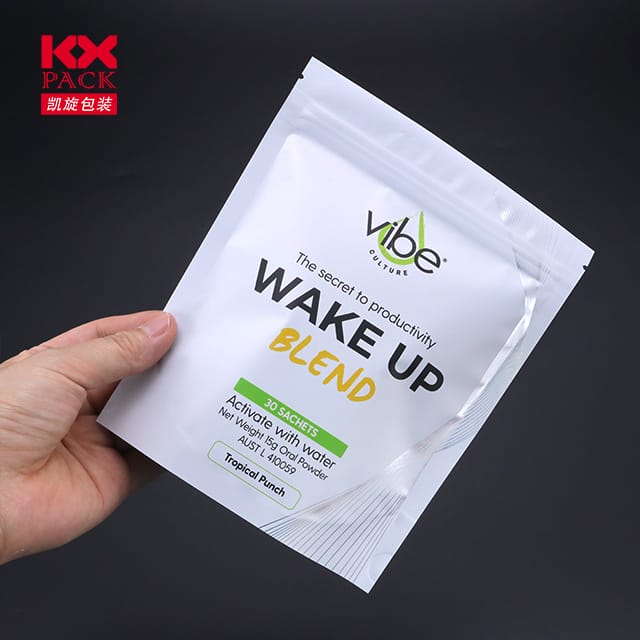
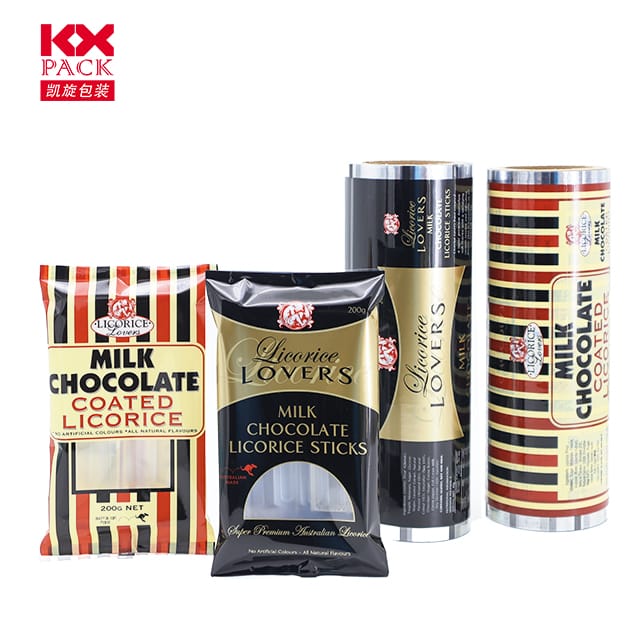
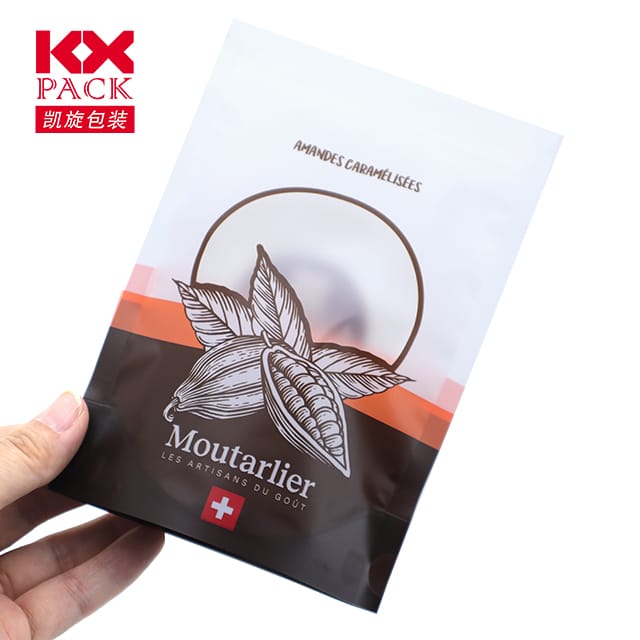
- برانڈنگ: متحرک پرنٹس اور ٹیکسچرز برانڈز کو ہجوم والی شیلف پر نمایاں ہونے میں مدد کرتے ہیں۔.
پھر بھی, روایتی فلمیں (اکثر واحد استعمال پلاسٹک سے بنایا جاتا ہے) ان کے ماحولیاتی اثرات کی جانچ پڑتال کا سامنا کرنا پڑا ہے۔. اس نے مادی سائنس اور ڈیزائن میں ایک انقلاب کو جنم دیا ہے۔.
پائیدار اختراعات: بایوڈیگریڈیبل سے کمپوسٹ ایبل تک
فوڈ پیکیجنگ انڈسٹری ماحول دوست متبادل کو اپنا رہی ہے۔:
- بائیوڈیگریڈیبل فلمیں:
قابل تجدید وسائل سے بنا ہوا کارن اسٹارچ, گنے, یا آلو کا نشاستہ, یہ فلمیں قدرتی طور پر مہینوں میں ٹوٹ جاتی ہیں۔. جیسے برانڈز بائیو پاک اور قسم ناشتے کے لیے کمپوسٹ ایبل حل پیش کر رہے ہیں۔, کافی پھلی, اور مزید. - خوردنی فلمیں:
ایک ریپر کا تصور کریں جسے آپ کھا سکتے ہیں۔! خوردنی فلمیں, اکثر سمندری سوار سے بنایا جاتا ہے۔, جیلیٹن, یا پودوں کے نچوڑ, کینڈیوں یا جڑی بوٹیوں جیسی چھوٹی اشیاء کے لیے کرشن حاصل کر رہے ہیں۔. کمپنیاں پسند کرتی ہیں نوٹ بک سمندری سوار پر مبنی تھیلے کے ساتھ حدود کو آگے بڑھا رہے ہیں۔. - ری سائیکل شدہ مواد کی فلمیں:
صارف کے بعد کے ری سائیکل (پی سی آر) پلاسٹک کو پیکیجنگ فلموں میں دوبارہ استعمال کیا جا رہا ہے۔, کنواری مواد پر انحصار کم کرنا. جیسے اقدامات ایلن میک آرتھر فاؤنڈیشن کی نئی پلاسٹک معیشت ڈرائیونگ گود لے رہے ہیں۔. - سمارٹ فلمیں:
ٹیکنالوجی ایسی فلموں کے ساتھ پائیداری کو پورا کرتی ہے جو خرابی کا پتہ لگاتی ہیں۔ (رنگ تبدیل کرنے والے اشارے کے ذریعے) یا تازگی بڑھائیں (آکسیجن صاف کرنے والی تہوں کے ذریعے). یہ اختراعات خوراک کے فضلے کو کم کرتی ہیں جو کہ عالمی اخراج میں ایک اہم معاون ہے۔.
چیلنجز اور ٹریڈ آف
جبکہ ترقی امید افزا ہے۔, رکاوٹیں باقی ہیں:
- لاگت: پائیدار مواد اکثر زیادہ قیمت پر آتے ہیں۔, چھوٹے کاروباروں کے لیے گود لینے کو سست بنانا.
- کارکردگی: بائیوڈیگریڈیبل فلموں میں روایتی پلاسٹک کی پائیداری یا شفافیت کی کمی ہو سکتی ہے۔, صارف کے تجربے کو متاثر کرتا ہے۔.
- انفراسٹرکچر: کمپوسٹ ایبل فلموں میں صنعتی کمپوسٹنگ کی سہولیات کی ضرورت ہوتی ہے, جو بہت سے علاقوں میں بہت کم ہیں.
- صارفین کی الجھن: غلط لیبل لگانا یا ضائع کرنے کی غیر واضح ہدایات پیکیجنگ کو ری سائیکل کرنے کے بجائے لینڈ فلز میں ختم کرنے کا باعث بن سکتی ہیں۔.
مستقبل: سرکلر حل اور تعاون
آگے کا راستہ مضمر ہے۔تعاون صنعتوں بھر میں:
- مادی سائنس: r میں سرمایہ کاری کرنا&توسیع پذیر کے لیے ڈی, سستی متبادل (جیسے, مشروم کی بنیاد پر پیکیجنگ, سیلولوز نانوفائبرز).
- پالیسی: حکومتیں ٹیکس میں چھوٹ یا واحد استعمال پلاسٹک پر پابندی کے ذریعے پائیدار پیکیجنگ کی ترغیب دے رہی ہیں۔.
- صارفین کی تعلیم: جیسے برانڈز لوپ دوبارہ استعمال کے قابل پیکیجنگ سسٹم کا آغاز کر رہے ہیں۔, "تھووے" سے "واپس اور دوبارہ استعمال" میں تبدیلی کی حوصلہ افزائی کرنا۔
- سرکلر ڈیزائن: ایسی پیکیجنگ بنانا جو آسانی سے ری سائیکل ہو سکے۔, کمپوسٹ ایبل, یا ڈیزائن کے لحاظ سے بایوڈیگریڈیبل.
پائیداری کے سفر میں آپ کا کردار
بطور صارف, آپ طاقت رکھتے ہیں:
- ماحول دوست پیکیجنگ کا استعمال کرتے ہوئے برانڈز کو سپورٹ کریں۔.
- واضح لیبلنگ اور ری سائیکلنگ انفراسٹرکچر کے لیے وکیل.
- جہاں ممکن ہو پیکیجنگ کو دوبارہ استعمال کریں یا دوبارہ استعمال کریں۔ (جیسے, فلم کے سکریپ کو دستکاری کے مواد میں تبدیل کرنا).
نتیجہ: مقصد کے ساتھ پیکیجنگ
فوڈ پیکیجنگ فلمیں اب صرف کھانے کو تازہ رکھنے کے بارے میں نہیں ہیں - یہ ایک صحت مند سیارے کے لیے ہماری وابستگی کی علامت ہیں۔. جدت کو قبول کرکے, تعاون کو فروغ دینا, اور احتساب کا مطالبہ کرتے ہیں۔, ہم ان پتلی تہوں کو مثبت تبدیلی کے لیے ایک قوت میں تبدیل کر سکتے ہیں۔.
اگلی بار جب آپ ناشتے کو کھولیں گے, اپنے آپ سے پوچھیں: کیا یہ پیکیجنگ پائیدار مستقبل کا حصہ بن سکتی ہے؟? 🌱🍃
آپ کی پسندیدہ پائیدار پیکیجنگ جدت کیا ہے؟? کمنٹس میں شیئر کریں۔! 👇