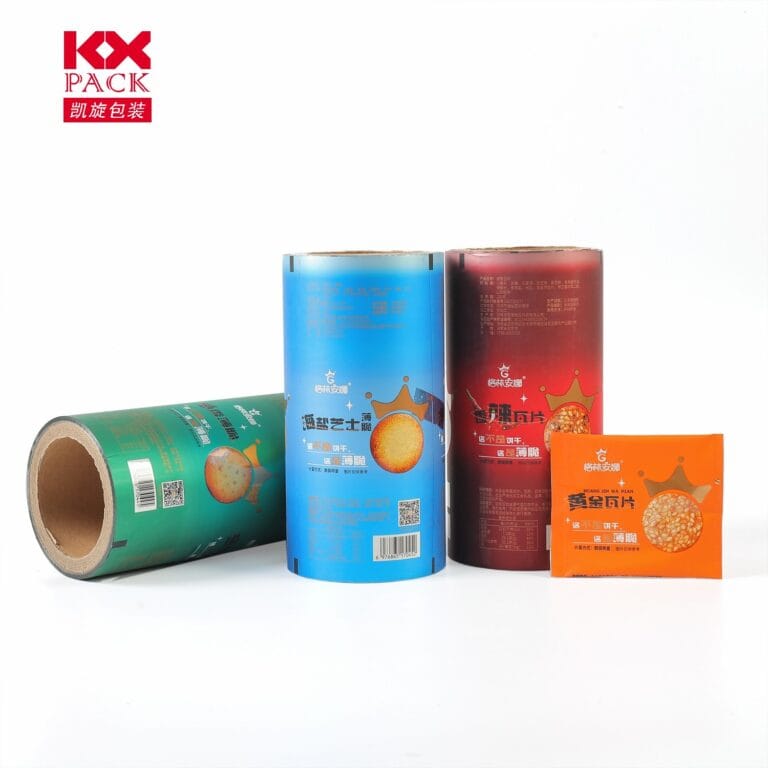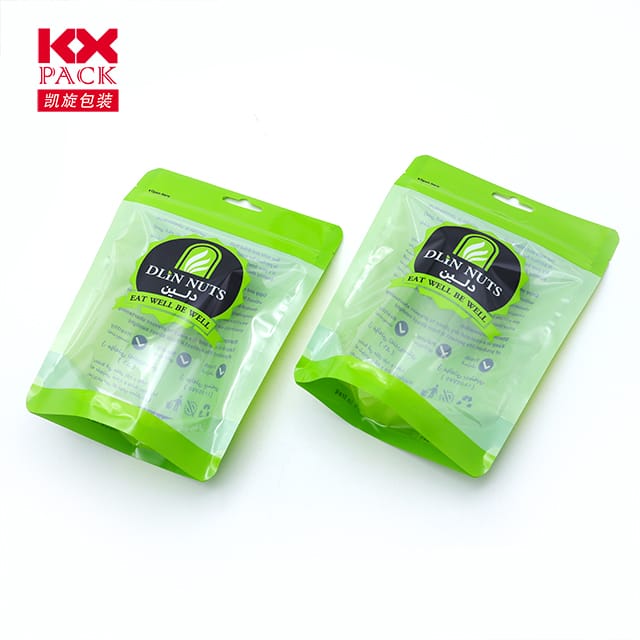
วิวัฒนาการและผลกระทบของภาพยนตร์ที่ยืดหยุ่นในบรรจุภัณฑ์อาหาร: การปฏิวัติอย่างยั่งยืน (3)
ฟิล์มยืดหยุ่น
ในโลกที่หมุนไปอย่างรวดเร็วในปัจจุบัน, บรรจุภัณฑ์อาหารไม่ได้เกี่ยวกับการกักกันอีกต่อไป - เป็นวิทยาศาสตร์ที่สมดุลการเก็บรักษา, ความสะดวก, และความยั่งยืน. ท่ามกลางนวัตกรรมที่ผลักดันการเปลี่ยนแปลงนี้, ภาพยนตร์ที่ยืดหยุ่น have emerged as a game-changer in food packaging. มีน้ำหนักเบา, อเนกประสงค์, และปรับได้, วัสดุเหล่านี้กำลังปรับเปลี่ยนวิธีที่เราปกป้อง, ขนส่ง, และกินอาหาร. Let’s dive into why flexible films are revolutionizing the industry and what their future holds.
ฟิล์มยืดหยุ่นคืออะไร?
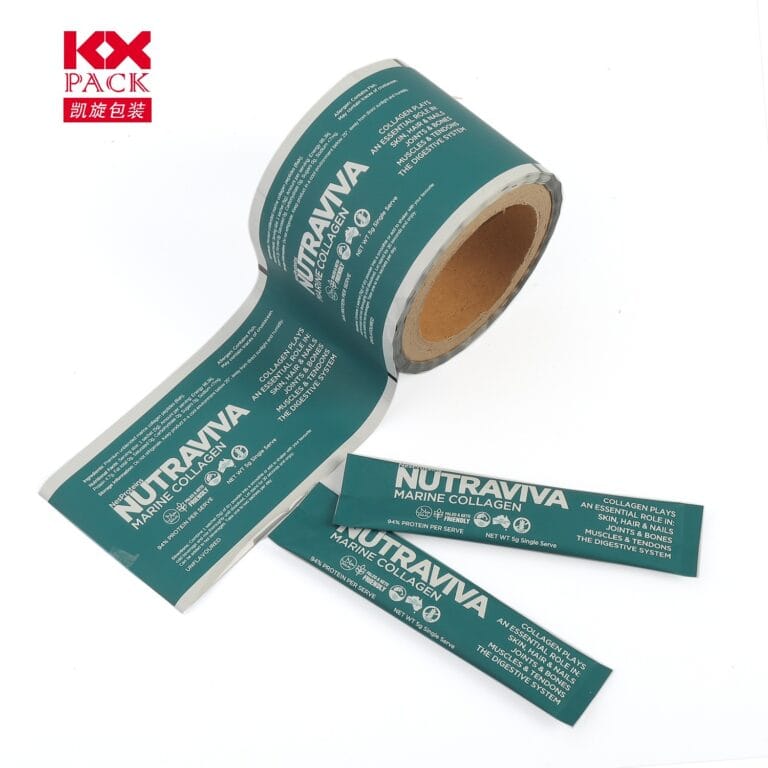
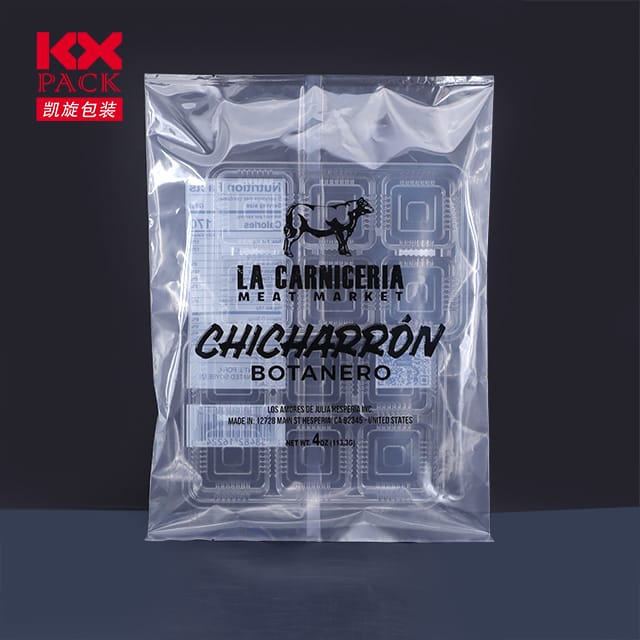
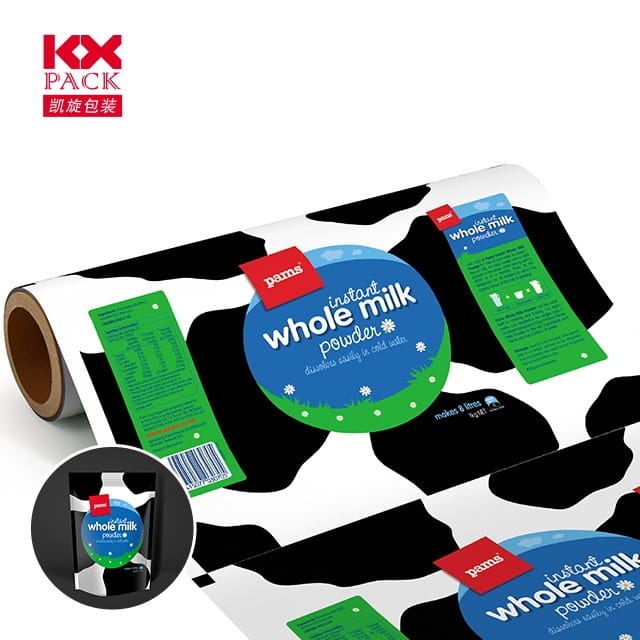
Flexible films are thin, pliable materials made from polymers like polyethylene (วิชาพลศึกษา), โพรพิลีน (PP), โพลีเอสเตอร์ (สัตว์เลี้ยง), and biodegradable alternatives such as PLA (กรด polylactic). These films can be laminated, coated, or printed to create packaging solutions tailored for specific food products—from snacks and fresh produce to frozen meals and beverages.
Their key advantages? Lightweight construction reduces shipping emissions, customizable barrier properties extend shelf life, และflexibility allows for efficient use of space in packaging designs.
Why Are Flexible Films Dominating Food Packaging?
- อายุการเก็บรักษาที่เพิ่มขึ้น
Flexible films can be engineered with oxygen, ความชื้น, and light barriers to prevent spoilage. ตัวอย่างเช่น, high-barrier laminates keep coffee fresh, while modified atmosphere packaging (แผนที่) films extend the shelf life of meat and cheese. - Sustainability Gains
Traditional rigid packaging often uses more material and generates higher waste. Flexible films, by contrast, require fewer resources to produce and transport. นอกจากนี้, ความก้าวหน้าใน recyclable and compostable films (เช่น, bio-based PLA or mono-material PE structures) are reducing plastic pollution. - ความสะดวก & นวัตกรรม
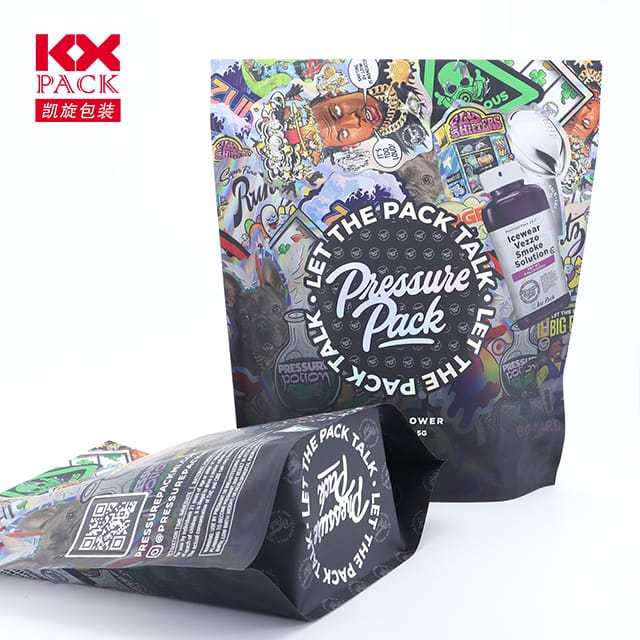
Resealable zippers, easy-tear openings, and stand-up pouches make flexible packaging consumer-friendly. Brands like snack companies and ready-meal producers leverage these features to enhance user experience. - ประสิทธิภาพต้นทุน
Lighter materials mean lower shipping costs, and the ability to form-fill-seal (FFS) on high-speed machinery boosts production efficiency.
ความท้าทาย & ถนนข้างหน้า
แม้จะมีประโยชน์ของพวกเขา, flexible films face hurdles:
- Recyclability Complexity: ลามิเนตหลายชั้น (เช่น, สัตว์เลี้ยง/อัล/PE) are hard to recycle.
- การรับรู้ของผู้บริโภค: Some still associate plastics with waste, even if innovations like chemical recycling or compostable films exist.
การแก้ปัญหาบนขอบฟ้า:
- โครงสร้างวัสดุโมโน: Using a single polymer type (เช่น, all-PE pouches) improves recyclability.
- ภาพยนตร์ที่ย่อยสลายได้ทางชีวภาพ: ผลิตจากทรัพยากรหมุนเวียน, these break down naturally, though scalability remains a challenge.
- บรรจุภัณฑ์อัจฉริยะ: Integrating sensors or QR codes into films to track freshness and reduce waste.
The Future is Flexible
The global flexible packaging market is projected to reach$250 พันล้านโดย 2028, driven by e-commerce growth and sustainability mandates. Brands are increasingly prioritizingcircular design—creating packaging that’s recyclable, reusable, or compostable by design.
As consumers demand eco-friendly options without sacrificing convenience, flexible films will play a pivotal role in bridging the gap. The next frontier? นวัตกรรมเช่นภาพยนตร์ที่กินได้ (ทำจากสาหร่ายหรือแป้ง) หรือself-healing materials that further minimize waste.
บทสรุป
Flexible films are more than just packaging—they’re a testament to human ingenuity in solving modern challenges. By balancing functionality, ความยั่งยืน, and affordability, they’re not just protecting food but also our planet. เมื่อเทคโนโลยีก้าวหน้าไป, one thing is clear: the future of food packaging is flexible, and it’s here to stay.
What’s your take on flexible films? แบ่งปันความคิดของคุณในความคิดเห็นด้านล่าง! 🌱🍱
คำสำคัญ: ภาพยนตร์ที่ยืดหยุ่น, บรรจุภัณฑ์อาหาร, ความยั่งยืน, อายุการเก็บรักษา, ย่อยสลายได้, รีไซเคิลได้, circular economy