สำรวจวิวัฒนาการและนวัตกรรมของฟิล์มพลาสติก: ภาพรวมที่ครอบคลุม (2)
ฟิล์มพลาสติก
The term “ฟิล์มพลาสติก” หมายถึงหมวดหมู่บาง ๆ, วัสดุที่ยืดหยุ่นได้มาจากโพลีเมอร์, มีบทบาทสำคัญในอุตสาหกรรม. จากโซลูชั่นบรรจุภัณฑ์ไปจนถึงแอพพลิเคชั่นเทคโนโลยีขั้นสูง, ฟิล์มพลาสติกได้เปลี่ยนนิสัยการผลิตและพฤติกรรมผู้บริโภคที่ทันสมัย. บล็อกนี้นำเสนอความสำคัญของพวกเขา, นวัตกรรมล่าสุด, และแนวโน้มในอนาคต.
1. รากฐาน: Types and Applications
Film plastics encompass a range of materials, รวมถึงโพลีเอทิลีน (วิชาพลศึกษา), โพรพิลีน (PP), โพลีเอสเตอร์ (สัตว์เลี้ยง), and biodegradable polymers like PLA. Their lightweight, ทนทาน, and cost-effective properties make them indispensable in:
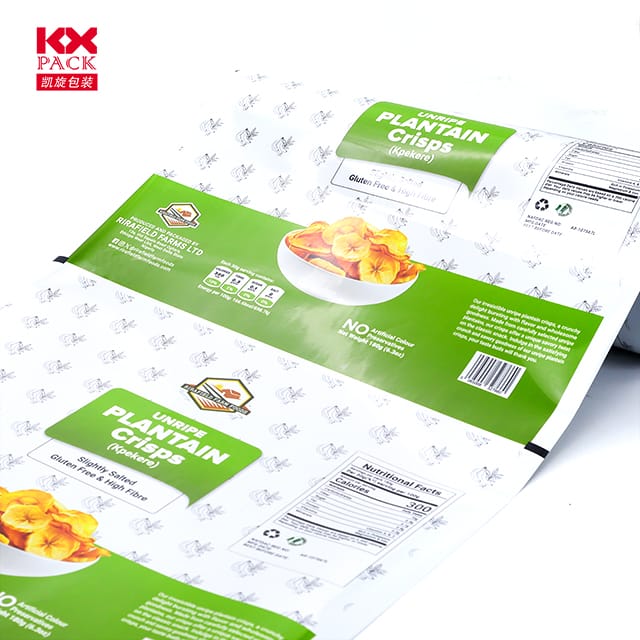
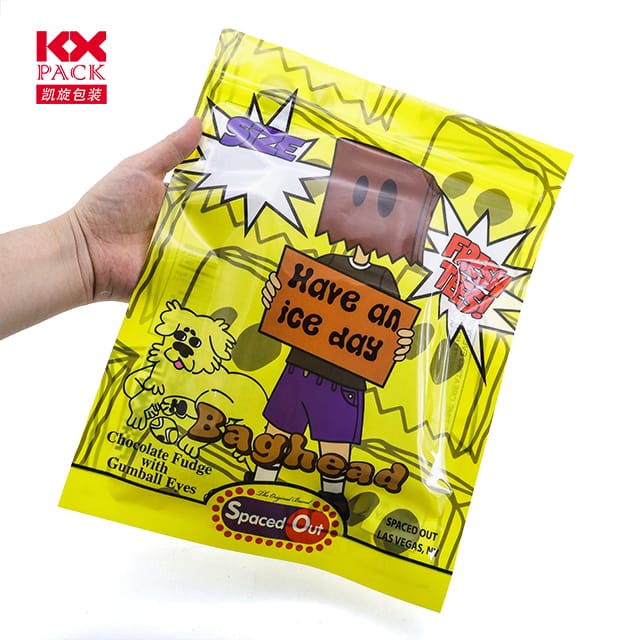
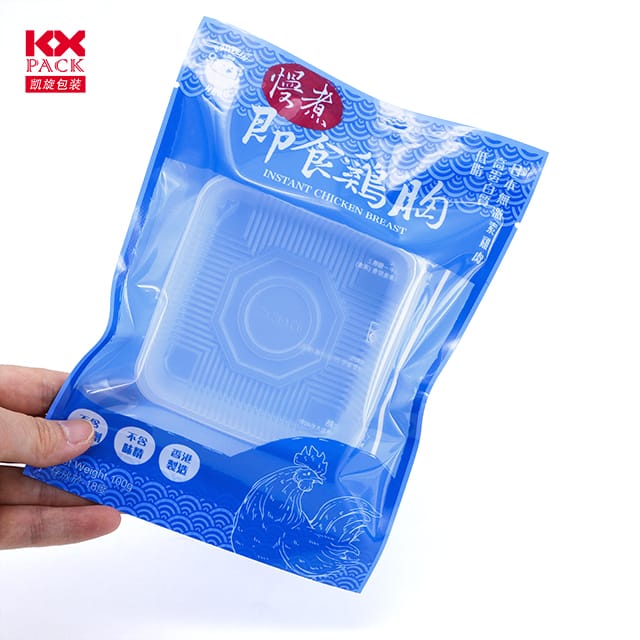
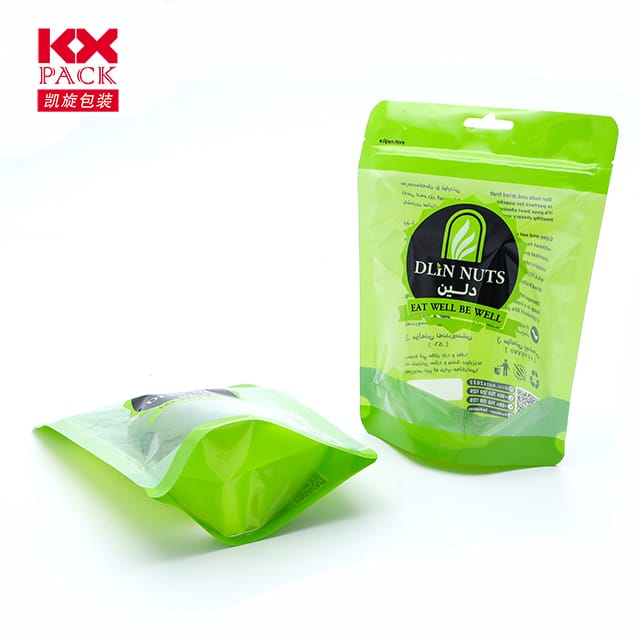
- บรรจุภัณฑ์: Food-grade films extend shelf life, while industrial films protect goods during transit.
- เกษตรกรรม: Mulching films improve crop yields by retaining soil moisture.
- อิเล็กทรอนิกส์: Conductive and insulating films enable high-performance circuit boards.
- อุปกรณ์การแพทย์: Sterile packaging and implantable materials rely on biocompatible films.
2. Market Dynamics and Growth
The global film plastic market is experiencing steady expansion, ขับเคลื่อนโดย:
- Rising Demand: The packaging sector, particularly in emerging economies, fuels consumption.
- Technological Advancements: Innovations like nanotechnology and multi-layer coextrusion enhance film functionality.
- Sustainability Initiatives: Regulatory pressures and consumer demand push for biodegradable and recyclable films.
ตามรายงานของอุตสาหกรรม, the market size was valued at approximatelyUSD 787 พันล้านใน 2022 และคาดว่าจะไปถึงUSD 963.7 พันล้านโดย 2029, ด้วย CAGR เท่ากับ 2.9%. Key players include China, the U.S., and Europe, where industries are rapidly adopting eco-friendly alternatives.
3. นวัตกรรมสร้างอนาคต
3.1 Functional Films for Specialized Needs
- Antifog and Antistatic Films: These prevent condensation and static buildup, critical for electronics and food packaging.
- ภาพยนตร์สูง: Used in food and pharmaceutical packaging, they extend product shelf life by blocking oxygen and moisture.
- ภาพยนตร์อัจฉริยะ: Incorporating RFID tags, temperature sensors, or QR codes, these films enhance traceability and consumer engagement.
3.2 ความยั่งยืน: The Green Imperative
- ภาพยนตร์ที่ย่อยสลายได้ทางชีวภาพ: ปลา (กรด polylactic) and other bio-based polymers reduce environmental impact. เช่น, LVMH Group uses PLA-based films for luxury packaging.
- เนื้อหารีไซเคิล: Brands like Coca-Cola and Mars are adopting 100% rPET (recycled PET) in their packaging, signaling a shift toward circular economy practices.
- การมีน้ำหนักเบา: Reducing material thickness without compromising strength—such as PepsiCo’s 10% lighter 330ml PET bottles—cuts costs and carbon footprints.
3.3 High-Performance Films for Emerging Industries
- Automotive Lightweighting: Films like PA6/12 and PPE+PA composites reduce vehicle weight, boosting fuel efficiency. BMW’s i3 and Toyota’s ISO Dynamics resin seats exemplify this trend.
- อิเล็กทรอนิกส์: High-temperature-resistant films (เช่น, PEEK, PPS) enable safer, faster-charging EV batteries.
- Medical Innovations: Biocompatible films for drug packaging and implants, such as Astellas’ bio-based blister packs, improve patient safety.
4. Challenges and Opportunities
แม้จะมีความคืบหน้า, the industry faces hurdles:
- Waste Management: Single-use plastics remain a concern, necessitating better recycling infrastructure.
- การปฏิบัติตามกฎระเบียบ: Stringent environmental laws (เช่น, EU’s single-use plastic ban) require agile adaptation.
- ค่าใช้จ่ายเทียบกับ. ความยั่งยืน: Biodegradable films often cost more, limiting adoption in price-sensitive markets.
อย่างไรก็ตาม, these challenges drive innovation. Collaborations between academia and industry, such as Amat Medical’s PLCL polymer stents, show promise in closing the gap between performance and sustainability.
5. ถนนข้างหน้า
The future of film plastics hinges on:
- เทคโนโลยีการรีไซเคิลขั้นสูง: Chemical recycling of mixed plastics could unlock high-value applications.
- บรรจุภัณฑ์อัจฉริยะ: Integration of IoT sensors for real-time product monitoring.
- Global Collaboration: Cross-industry partnerships to standardize sustainable practices.
บทสรุป
Film plastics are more than mere packaging materials—they are enablers of innovation, ประสิทธิภาพ, และความยั่งยืน. As industries evolve, so too must these films, balancing performance with environmental responsibility. The journey ahead demands creativity, collaboration, and a commitment to a greener future.
What are your thoughts on the future of film plastics? แบ่งปันข้อมูลเชิงลึกของคุณในความคิดเห็นด้านล่าง!