Packaging Roll Film vs. Pre-made Pouches: Which Format Wins the Efficiency Battle for Your Brand?
For any CPG (Konsumentförpackade varor) varumärkesägare, the moment of truth arrives at the packaging line. You have a great product, a compelling brand design, and a distributor ready to order. Nu, you must make a critical decision: invest in a high-speed VFFS (Vertical Form Fill Seal) system using förpackningsrulle, or opt for the immediate flexibility of pre-made pouches with manual or semi-automatic filling.
This choice shapes your entire supply chain economics. It determines your startup capital, your daily labor costs, your flexibility for seasonal variations, och i slutändan, your unit profitability.
The packaging industry often presents a binary choice, but reality lies in the nuance of your specific operational scale, SKU count, and projected growth trajectory. This guide cuts through the marketing fluff to provide a data-driven analysis of when to choose roll stock film and when pre-made pouches are the superior solution.
Defining the Contenders
1. Förpackningsrullfilm (Roll Stock)
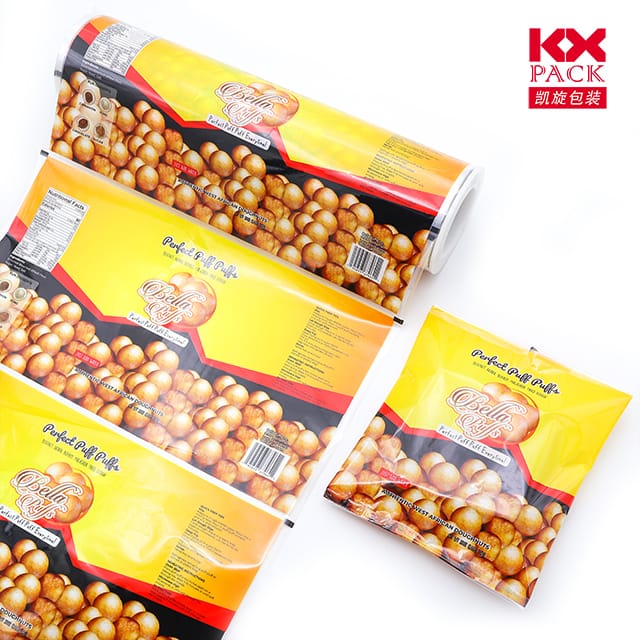
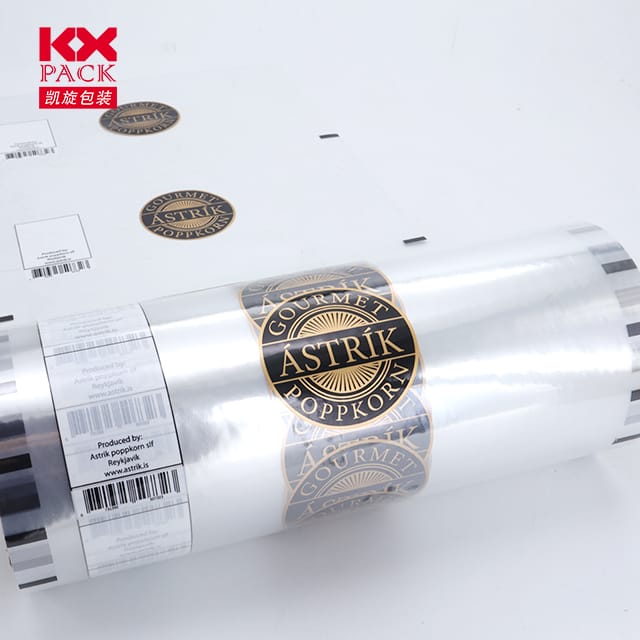
Packaging roll film, often called roll stock, is the raw material of flexible packaging. It is a continuous web of barrier film wound around a core. This format is designed for automated packaging machinery, primarily Vertical Form Fill Seal (Vffs) or Horizontal Form Fill Seal (HFFS) maskiner.
The machine unwinds the film, forms it into a tube (in the case of VFFS), creates the vertical seal, fills the product, and then creates the top and bottom seals, effectively manufacturing the pouch around the product simultaneously.
- Typical Applications: Snacks (pommes frites, nötter), coffee beans, pulver (protein, mjöl), frozen vegetables, granular products.
2. Pre-made Pouches (Ståande påsar, Påsar med platt botten)
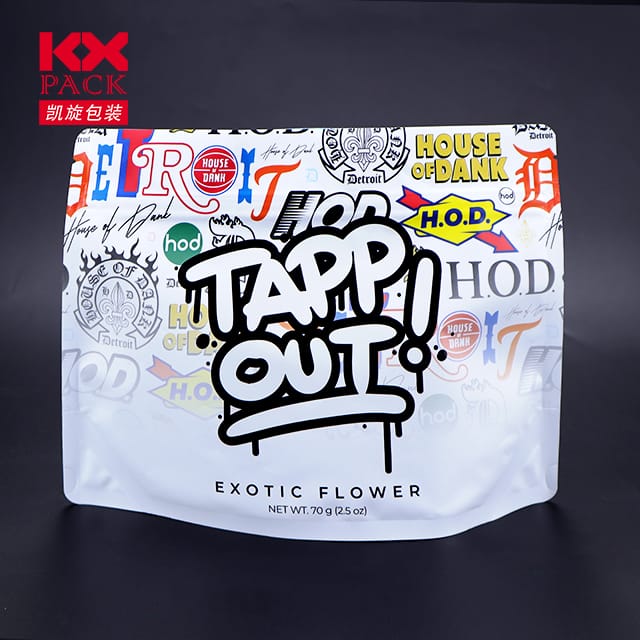
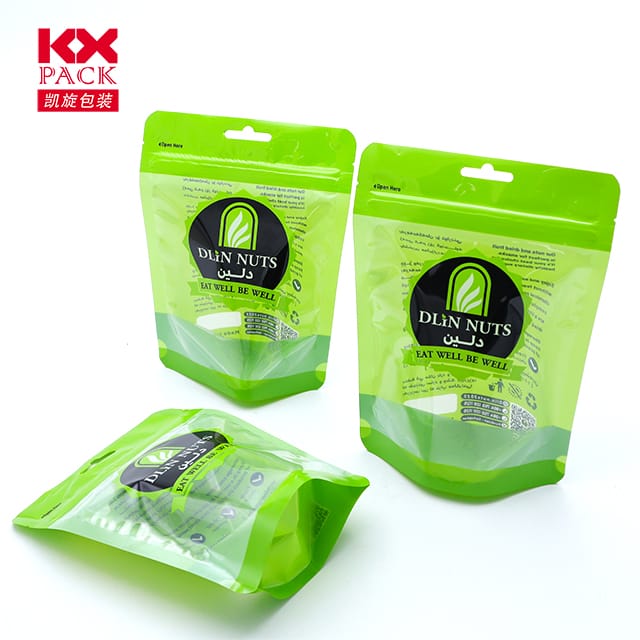
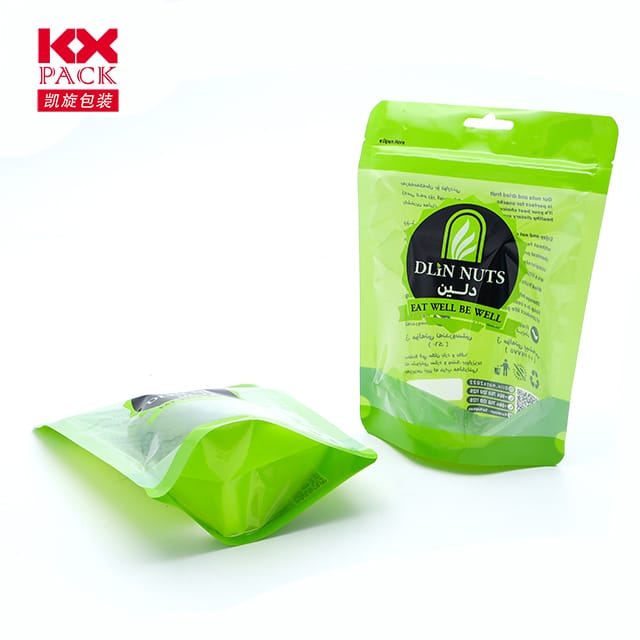
Pre-made pouches are exactly what the name implies: bags that have already been fully manufactured, sealed on three sides (or four), and feature an open top or a pre-zippered closure. These are supplied to the brand owner ready for filling.
Filling can be manual (for low-volume startups), semi-automatic (using a tabletop filler), or fully automated using a Rotary Pouch Filling Machine.
- Typical Applications: Premium pet food, artisanal coffee, specialty snacks, liquids and sauces, personal care refills, cannabis products.
The Strategic Showdown: Key Decision Factors
To determine the best format for your brand, you must evaluate these five operational pillars.
1. Capital Expenditure (CapEx) & Startup Costs
This is usually the primary barrier to entry.
- Förpackningsrullfilm: Requires a significant upfront investment in machinery (till exempel, a VFFS machine). A new entry-level VFFS system can cost anywhere from $30,000 till $80,000, while high-speed, multi-lane systems can easily exceed $250,000. Installation, utbildning, and facility modifications add to this total.
- Pre-made Pouches: Offers an extremely low barrier to entry. You can begin with a simple digital scale and a manual impulse sealer for under $1,000. As volume grows, you might upgrade to a semi-auto filler for $5,000–$10,000. Even upgrading to a full-scale Rotary Pouch machine (approx. $30,000–$60,000) is often less expensive than an equivalent-speed VFFS line.
Verdict: Pre-made pouches win for startups and brands testing new markets.
2. Production Throughput and Efficiency
Once the line is running, which format is faster?
- Förpackningsrullfilm (Vffs): VFFS machines are engineered for raw speed. Once dialed in, a modern VFFS can run at speeds of 60 till 150+ bags per minute (BPM), depending on the product density and bag size. Continuous operation without frequent stops for roll changes makes it ideal for long, uninterrupted production runs.
- Pre-made Pouches: The bottleneck is usually the loading mechanism. While a Rotary Pouch machine can approach speeds of 40–80 BPM, manual or semi-automatic feeding is significantly slower. Dessutom, the process requires operators to constantly replenish the machine’s pouch magazine.
Verdict: Packaging roll film wins for high-volume, consistent SKUs (long runs).
3. Labor Requirements and Costs
This is an ongoing operational expense often overlooked.
- Förpackningsrullfilm: Highly automated. One operator can often manage multiple VFFS lines, focusing primarily on quality control checks and changing film rolls (every 30–60 minutes, depending on roll size). Labor cost per unit is very low.
- Pre-made Pouches: Labor-intensive. Unless you invest heavily in fully automated Rotary Pouch machines och automated feeding systems (like bowl feeders or pick-and-place robots), you need multiple staff members: one to feed pouches, one to manage the filler, and one to pack off the finished product.
Verdict: Packaging roll film wins on long-term labor efficiency.
4. Material Costs (Per Unit)
Which format is cheaper to buy?
- Förpackningsrullfilm: De “raw material” cost per square inch of film is lower than the converted pouch cost. You are paying for the film structure, utskrift, and lamination—not the pouch conversion (folding, gusseting, tätning). Dessutom, film rolls are denser and ship more efficiently, lowering inbound freight costs.
- Pre-made Pouches: You pay a premium for the convenience of having the bag manufactured for you. The pouch converter charges for the film plus the complex converting processes. Freight costs are also higher because you are essentially shipping air (the empty volume inside the pouches).
Verdict: Packaging roll film offers a lower cost of goods sold (COGS) at scale.
5. Flexibilitet, Design, and SKU Count
How easily can you pivot your product line?
- Förpackningsrullfilm: Inflexible for short runs. Minsta beställningsmängd (MOQs) for custom printed film are usually high (till exempel, 5,000–10,000 meters of film, which translates to tens of thousands of bags). Changing artwork requires a new print run, making it difficult to test seasonal designs or limited editions. Downtime for changeovers (changing film width, forming tubes, sealing jaws) is substantial.
- Pre-made Pouches: The champion of flexibility. You can produce runs as small as 1,000–5,000 pouches per SKU using digital printing technology. Launching ten new flavors simultaneously is feasible. Changeovers are extremely fast; you simply load a different magazine of pouches.
Verdict: Pre-made pouches win for high SKU counts, snabb prototypframställning, and marketing agility.

Vanliga frågor (FAQ) About Packaging Formats
To help crystallize these concepts, here are answers to the most common questions CPG brands ask our packaging engineers.
Q1: We are a startup launching two flavors of granola. We have limited capital but high growth projections. Which format should we start with?
Start with pre-made pouches. Your priority is cash preservation and market testing, not maximum throughput. The low initial CapEx allows you to launch quickly without tying up $50,000+ in a VFFS machine you may not use to capacity. As your volume stabilizes (till exempel, hitting 10,000+ units per month per SKU), you can then justify the capital investment in an automated Rotary Pouch machine or a VFFS line for efficiency gains.
Q2: Our product is a free-flowing powder that requires a high-barrier metalized film to prevent oxidation. Does the format affect the barrier properties?
The fundamental barrier property (WVTR/OTR) comes from the film structure (the lamination), not the format itself. You can purchase high-barrier laminates in both roll stock film and pre-made pouch formats. The critical difference is the integrity of the longitudinal seal (the back seal). On a VFFS machine, this seal is formed in-line. On a pre-made pouch, it is formed at the converting facility under controlled tension and heat. For extremely fine, dusty powders, the consistent seal quality of pre-made pouches can sometimes reduce leakage compared to a VFFS line.
Q3: We need to launch a limited-edition holiday version of our flagship coffee. Our main line runs on roll film. How should we handle this short run?
Do not interrupt your main roll film production line. The changeover time and minimum film requirements make short runs on VFFS prohibitively expensive. This is the perfect scenario for a hybrid strategy: utilize pre-made pouches for the limited edition. You can order a small digital run of pouches and either fill them manually or run them on a spare semi-auto filler, leaving your main line dedicated to core products.
Q4: What is the hidden cost of purchasing pre-made pouches?
The most significant hidden cost is freight and warehousing. Because pre-made pouches are bulky and filled with air, your inbound shipping costs per unit are significantly higher than for dense rolls of film. Dessutom, they consume more valuable warehouse space. A single pallet of roll film might yield the equivalent of three or four pallets of pre-made pouches.
F5: Can I use sustainable packaging materials (like mono-material PE) with both formats?
Ja, but with caveats. Sustainable mono-material films (till exempel, high-density polyethylene films designed for recycling streams like Store Drop-Off) often have a narrower “heat-sealing window” than traditional mixed-plastic laminates. This means they require precise temperature control on the packaging machinery. While both VFFS and Rotary Pouch machines can be adapted to run mono-materials, it is often easier to control the sealing process on the robust, specialized jaws of converting equipment that manufactures pre-made pouches, rather than the high-speed, continuous forming process of a VFFS.