Filmi i qeseve me salcë: Heroi i pamundur i kulturës moderne të ushqimit
Filmi i qeseve me salcë
In an era where convenience and sustainability dominate consumer choices, të përuluritsauce sachet has quietly evolved into a cultural icon—one that intersects with food technology, përgjegjësi mjedisore, madje edhe kinemaja. This trifecta ofsauce, qeskë, dhefilm reveals a fascinating narrative about how small innovations can reshape industries. Le të eksplorojmë këtë sinergji të papritur.
1. Sachets salce: From Fast Food Staple to Sustainability Champion
Të Filmi i qeseve me salcë, a compact plastic or paper packet containing condiments like ketchup, mayonnaise, or soy sauce, was once a symbol of disposable convenience. Megjithatë, its role has expanded dramatically in recent years.
- Rritje e tregut: The global sauces, konventë, and dressings market is projected to reach $239.6 miliardë nga 2030, with sachets and pouches growing at a 5.95% Çaj—faster than traditional bottles. This shift is driven by portion control, reduced plastic waste, and alignment with EU recyclability mandates.
- Ndikimi në mjedis: While single-use sachets faced criticism for plastic pollution, innovations like biodegradable materials and resealable designs are transforming their image. Për shembull, brands now use plant-based films to reduce carbon footprints.
- Cultural Penetration: From McDonald’s ketchup sachets to global fast-food chains, these tiny packets have become ubiquitous. A 2024 incident in Glasgow—where a customer received only a drink and a ketchup sachet in a £7 order—highlighted their symbolic value (and the chaos when they’re missing).
2. The Film Connection: From Packaging to Screen
The term film takes on dual meanings here: the thin, flexible material used in sachet packaging and its role in cinema.(Filmi i qeseve me salcë)
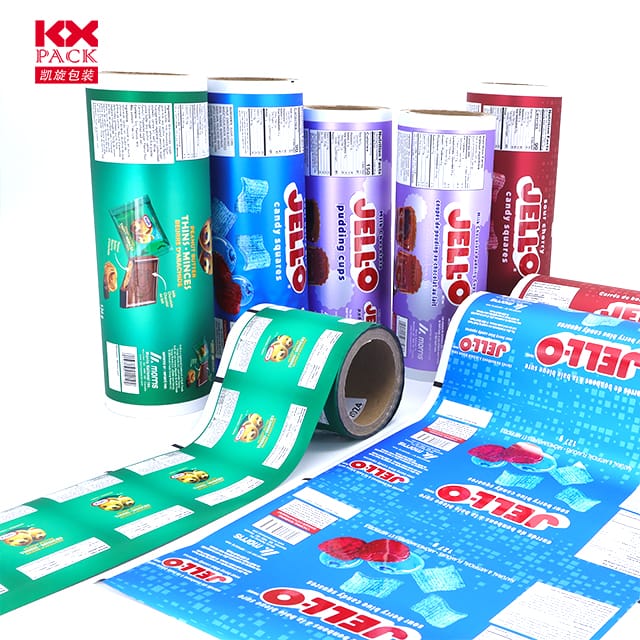
- Film paketim: Advanced multilayer films now protect sauces from moisture, oksigjen, dhe dritë, Zgjatja e jetës së raftit. These films are engineered for sustainability, with some regions mandating 30% biodegradable content by 2021.
- Cinematic Metaphor: Just as film captures stories, sauce sachets encapsulate cultural narratives. Consider how ketchup sachets in international fast-food chains symbolize globalization, while regional sauces (P.sh., sriracha in Southeast Asia) reflect local tastes.
- Documentary Spotlight: Filma si The Sachet Revolution (hypothetical) could explore how these packets are reshaping food systems, much like documentaries on plastic waste or agricultural innovation.(Filmi i qeseve me salcë)
3. The Sachet’s Second Act: Beyond Condiments
Sachets are breaking free from the fast-food realm:
- Health & Wellness: Single-serve vitamin sachets and protein powders cater to fitness enthusiasts.
- Luxury Markets: High-end restaurants now offer artisanal sauces in designer sachets, blending convenience with gourmet appeal.
- Emergency Aid: Humanitarian organizations distribute meal kits with sachets of oil, salt, and spices in disaster zones—a lifesaving innovation documented in films like The Humanitarian Kitchen.(Filmi i qeseve me salcë)
4. Sfidat dhe risitë
Despite their rise, sauce sachets face hurdles:
- Perceptim i konsumatorit: Some view them as wasteful, prompting brands to adopt refill stations or compostable packaging.
- Technological Limits: Ensuring barrier properties in eco-friendly films remains a challenge.(Filmi i qeseve me salcë)
- Cultural Adaptation: In regions like India, sachets of spices are gifted at weddings—a tradition blending practicality with ritual.
konkluzioni: A Tiny Packet, A Global Impact
The sauce sachet’s journey from a fast-food accessory to a sustainability tool and cultural symbol mirrors broader trends in food innovation. As films document these changes and packaging films evolve, one thing is clear: even the smallest innovations can leave a lasting legacy.
Kështu, the next time you tear open a sachet, remember—you’re not just adding flavor to your meal. You’re participating in a story of globalization, environmental progress, and perhaps even cinematic history.
Word Count: 698