O le lalolagi atoa o le palasitika ata tifaga: Faaaogaina, Faamanuiaga, ma le gafataulimaina o manatu
PASMS Ata Tilo
I le aso lata mai o le lalolagi, PASMS ata tifaga ua avea ma se vaega sili ona taua o le tele o pisinisi ma aso uma o le olaga. Mai le afifiina o meaʻai e puipuia ai oloa gaosi oloa, O nei fetuutuunai pepa o le palasitika ofo atu e le masani ai, tumau, ma le tau-lelei. Sei o tatou teteʻa i le lalolagi o le palasitika ata tifaga, Suesueina o lo latou va eseese faaaogaina, lelei, and the environmental challenges they present.
What Are Plastic Film Rolls?
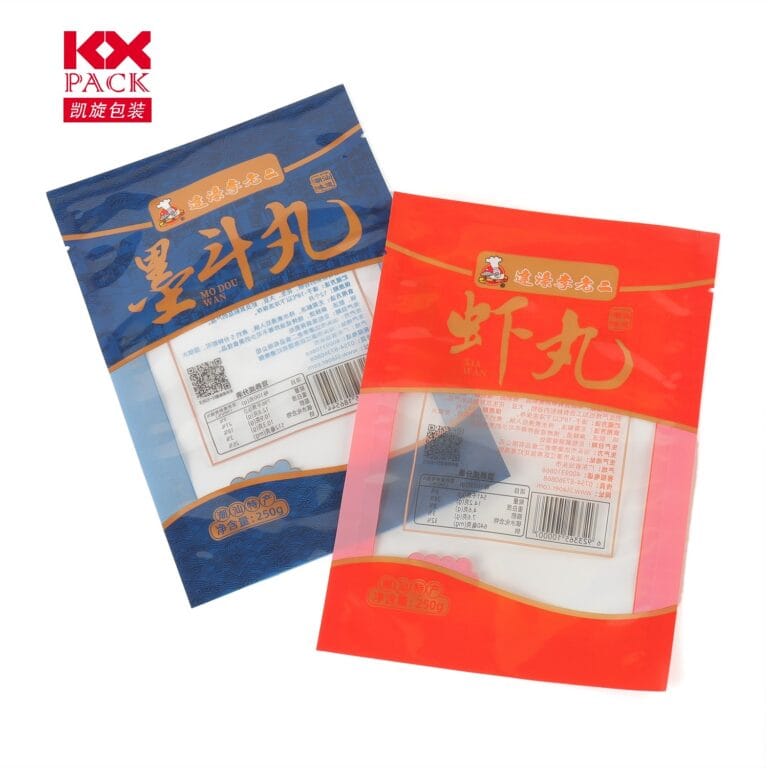
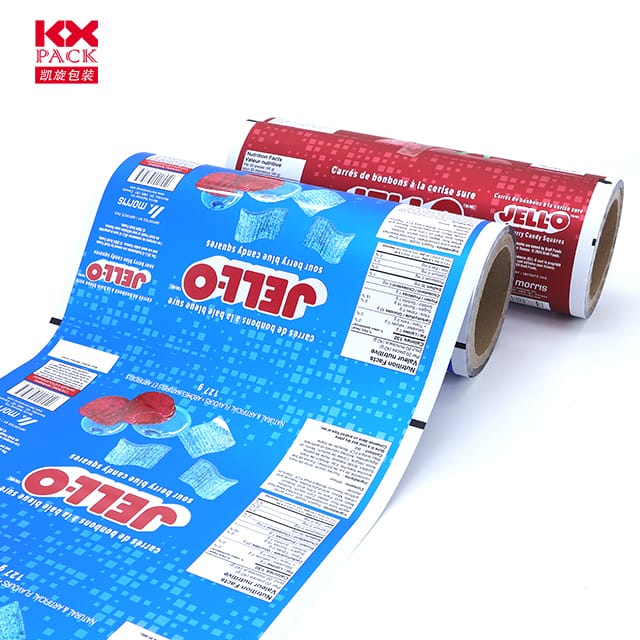
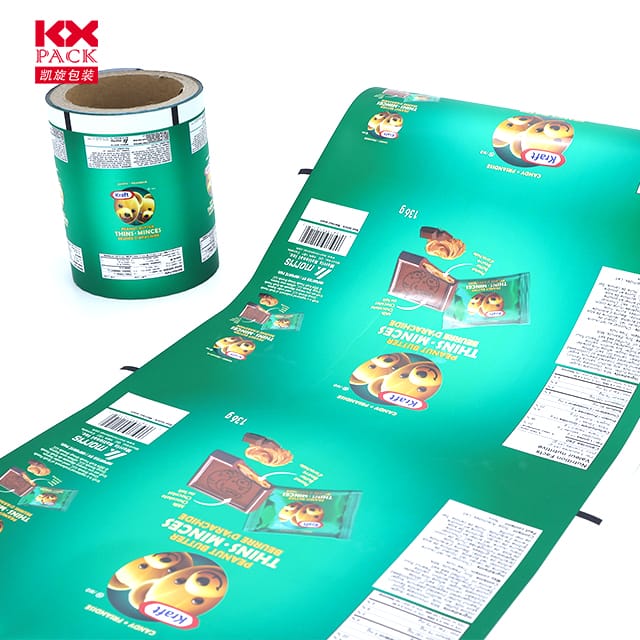
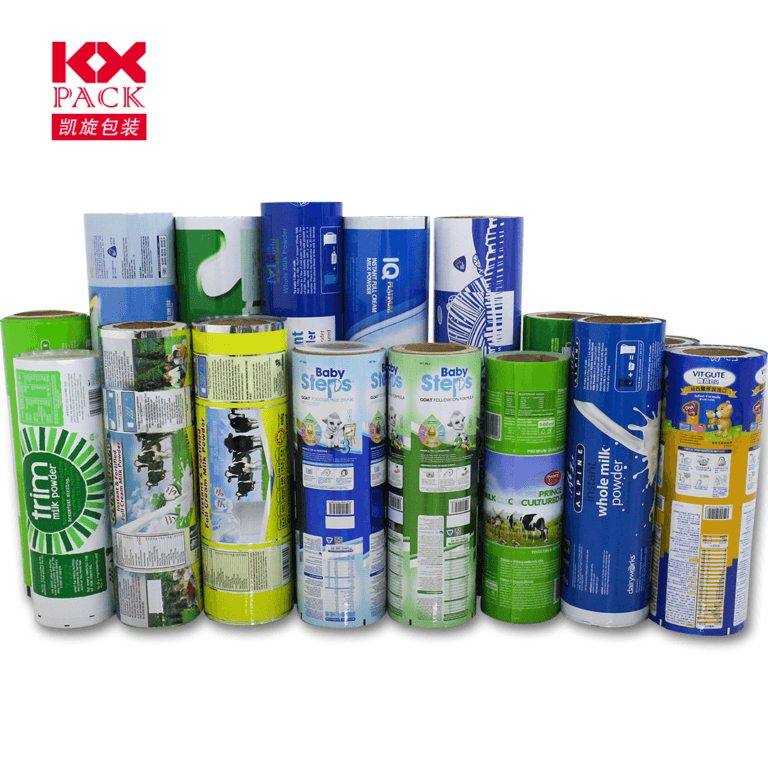
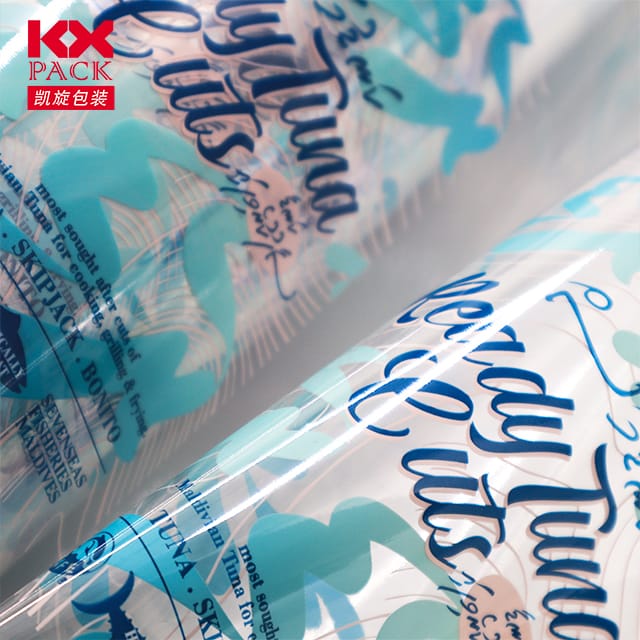
Plastic film rolls are continuous sheets of plastic material wound onto a core, typically made of cardboard or plastic. Commonly produced from polymers like polyethylene (PE), polypropylene (PP), po o polyvinyl chloride (PVC), these films come in various thicknesses, widths, and finishes to suit specific needs. Their flexibility, manino, and moisture resistance make them a go-to solution for wrapping, faamaufaailoga, and protecting items.
Key Applications of Plastic Film Rolls
- afifiina o Mea'ai
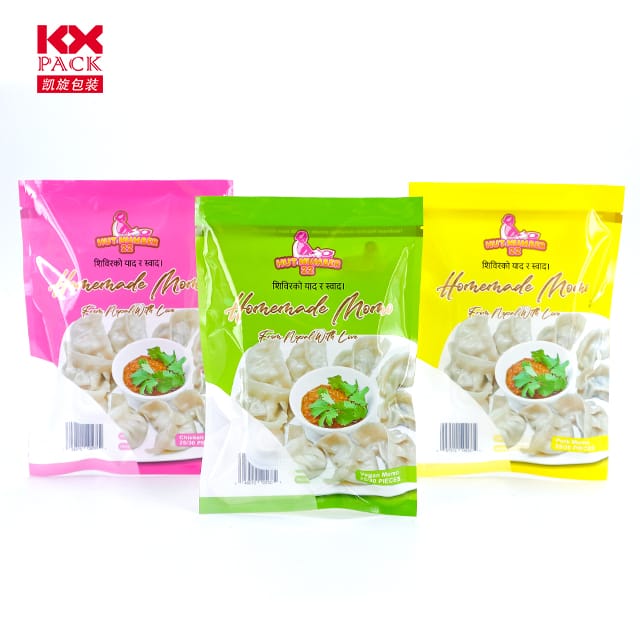
Plastic films are a staple in the food industry, used for everything from sealing fresh produce to wrapping snacks and frozen goods. Their ability to preserve freshness, Faapipii le ola fata, and prevent contamination makes them ideal for maintaining food safety and quality. - Agricultural Use
In farming, plastic film rolls are employed for greenhouse covering, mulching, and silage wrapping. These applications enhance crop growth by regulating temperature, conserving moisture, and reducing weed growth. - Industrial and Construction
Plastic films protect surfaces during painting, fausiaina, or renovation projects. They also serve as vapor barriers in buildings and as stretch wraps for securing pallets in logistics. - Retail and E-commerce
With the rise of online shopping, plastic film rolls are widely used for packaging products, ensuring they arrive undamaged. Clear films are particularly popular for displaying items while keeping them secure. - Household and DIY
From covering furniture during moves to wrapping leftovers, plastic films simplify daily tasks. Their lightweight and resealable properties make them a household essential.
Advantages of Plastic Film Rolls
- Tau-aoga: Plastic films are affordable to produce and purchase, offering high value for money.
- Durable and Lightweight: Despite their thin profile, they resist tears, punou, and environmental factors like moisture and UV rays.
- Customizable: Manufacturers can tailor films to specific requirements, such as adding antistatic properties for electronics or UV blockers for outdoor use.
- Hygienic: Ideal for food and medical applications, plastic films provide a sterile barrier against contaminants.
Environmental Concerns and Sustainability
While plastic film rolls offer undeniable benefits, their environmental impact is a growing concern. Tasi-faaaoga Plastics, including many film varieties, contribute to pollution, aemaise i sami ma fanua fanua. Here’s how the industry is addressing these issues:
- O mea na fuafuaina
Many regions now accept plastic films for recycling, though challenges like contamination and sorting remain. Innovations in recycling technology aim to improve efficiency. - Biodegraduable ma le lotogatasi ata
Emerging alternatives include bioplastics made from renewable resources (E.g., corn starch) or films designed to decompose in industrial composting facilities. - Reduced Plastic Use
Brands are exploring reusable packaging, paper-based alternatives, or minimalistic designs to cut down on plastic waste. - Consumer Awareness
Educating the public on proper disposal and supporting eco-friendly brands can drive demand for sustainable options.
O le lumanaʻi o ata palasitika
The demand for plastic film rolls isn’t likely to disappear soon, given their practicality. Peitai, the future hinges on balancing functionality with sustainability. Fou pei o:
- Lalelei, stronger films (reducing material use).
- Chemical recycling (breaking down plastics into raw materials).
- Circular economy models (reusing and repurposing films).
will shape a more responsible industry.
Fa'ai'uga
PASP PASP PACKS o se molimau i le atamai tagata, offering solutions that touch nearly every aspect of modern life. While their environmental footprint demands urgent attention, proactive steps toward recycling, fou, and consumer responsibility can pave the way for a greener future. As consumers and businesses, we hold the power to demand—and support—sustainable alternatives, ensuring that convenience doesn’t come at the planet’s expense.
What are your thoughts on plastic film rolls? Have you switched to eco-friendly alternatives? Share your experiences in the comments below! 🌍♻️