Navigating le lalolagi o le afifiina o 'au gaosi oloa: Ki masani ma fou
Fa'apipi'i Ata Ata
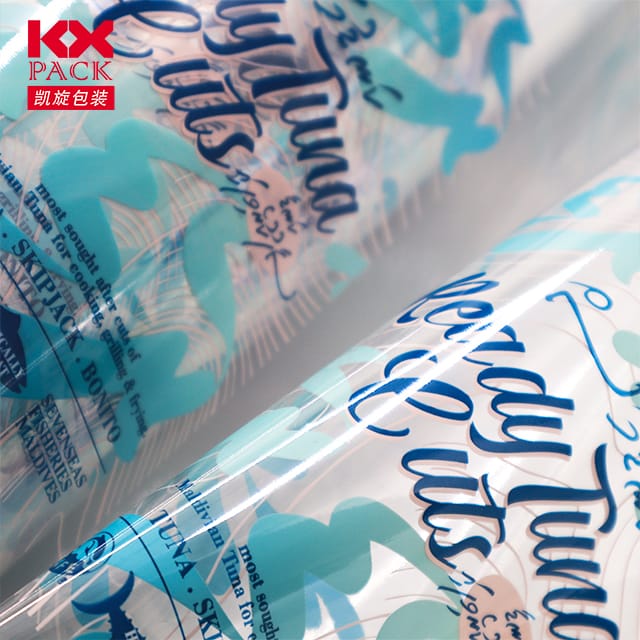
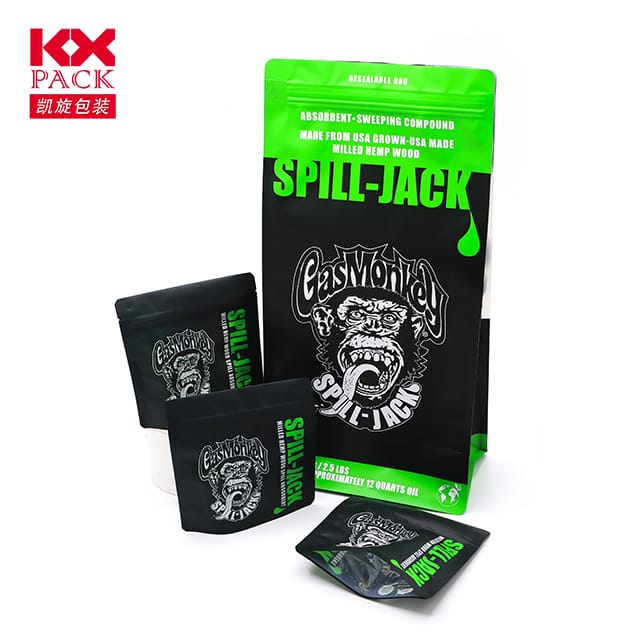
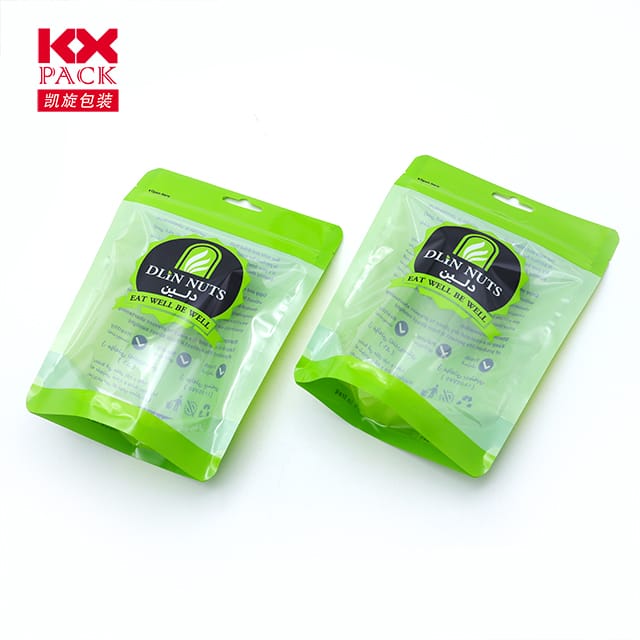
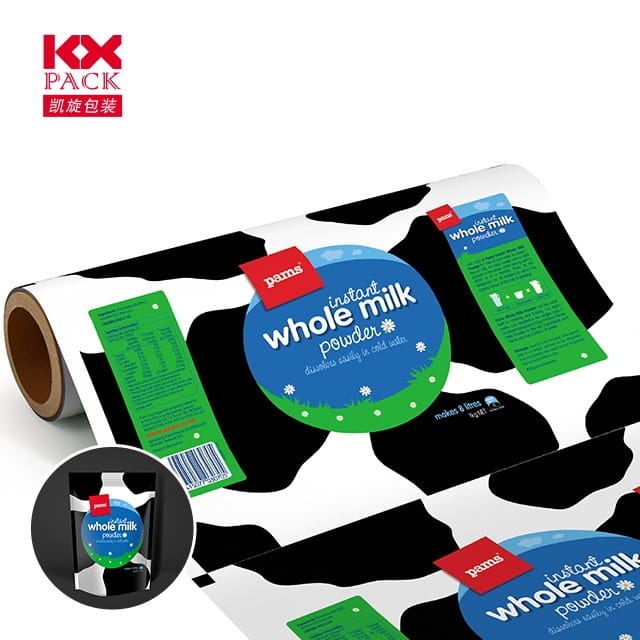
In today’s fast-paced consumer landscape, afifiina ata tifaga e faia se vaega taua i le faasaolotoina o oloa, Faapipiiina o fata soifua, ma le faʻalauteleina o le faʻailoga. Mai meaʻai ma meainu i vailaʻau ma le eletise, O le manaʻoga mo le maualuga-faatinoga afifiina o fofo o loʻo faʻaauau pea. This has propelledafifiina ata tifaga gaosi oloa into the spotlight, aveina fou ma le malo gafataulimaina o falefaigaluega. Let’s explore the current trends, Lui Agai, and opportunities shaping this dynamic sector.
The Growing Demand for Packaging Films
The global packaging films market is projected to reach$180 piliona e 2030, fueled by e-commerce growth, rising urbanization, and evolving consumer preferences. Manufacturers are under pressure to deliver films that are not only durable and cost-effective but also eco-friendly. O avetaavale autu e aofia ai:
- Food Safety & Faasaoloto: Biodegradable and antimicrobial films are gaining traction to reduce food waste.
- Faigofie: Resealable and easy-to-open designs cater to on-the-go lifestyles.
- Soifua Maloloina: Brands are prioritizing recyclable, faapalaga, and plant-based materials to meet regulatory and environmental goals.
Innovations Transforming the Industry
Leading packaging films manufacturers are investing heavily in R&D to stay ahead. Here are some groundbreaking advancements:
- Biodegradable polymers: Kamupani pei BASF and NatureWorks are producing polylactic acid (Plan)-based films that decompose within months under industrial composting conditions.
- Pulea Pulea: Integration of IoT sensors and QR codes enables real-time tracking of product freshness and authenticity.
- Barrier Technologies: Advanced multilayer films with oxygen and moisture barriers extend the shelf life of perishables without chemical additives.
- Malamalama lelei: Manufacturers are optimizing film thickness to reduce material use while maintaining strength, cutting costs and carbon footprints.
Soifua Maloloina: A Non-Negotiable Priority
Faatasi ai ma 79% of consumers willing to pay more for sustainable packaging (IBM, 2023), manufacturers are rethinking their strategies:
- Circular tamaoaiga faʻataʻitaʻiga: Adopting closed-loop systems to recycle post-consumer waste into new films.
- Water-Based Coatings: Replacing solvent-based alternatives to minimize VOC emissions.
- Tusipasi: Partnering with organizations like TÜV Ausetalia ma EcoCert to validate compostability claims.
Challenges Facing Manufacturers
E ui i le alualu i luma, the industry grapples with:
- Sulu le aoga: Fluctuating prices of petroleum-based resins impact profitability.
- Infrastructure Gaps: Limited recycling facilities hinder the adoption of recyclable films in developing regions.
- Regulatory Hurdles: Navating varying compliance standards across global markets.
Choosing the Right Packaging Films Manufacturer
For businesses seeking reliable partners, consider these factors:
- Mea Tomai: Does the manufacturer specialize in flexible, rigid, or specialty films?
- Tomai masani: Can they tailor solutions to your product’s unique needs?
- Soifua Maloloina: Look for certifications like ISO 14001 and transparent supply chains.
- Mogafagafa: Ensure they can handle both small-batch and large-volume orders efficiently.
O le lumanaʻi o loʻo lumanaʻi
The packaging films industry is poised for transformative growth, driven by AI-powered design tools, nanotechnology, and hyper-personalization. As consumers demand greater transparency, manufacturers will increasingly focus onsao maethical sourcing.
Mafaāina Manatu
Packaging films manufacturers are at the forefront of a sustainability revolution, balancing innovation with environmental responsibility. By collaborating with forward-thinking partners, brands can not only meet regulatory demands but also build trust with eco-conscious consumers.
Are you a packaging films manufacturer or a brand looking to upgrade your packaging? Fetufaai ou manatu i manatu o manatu i lalo!