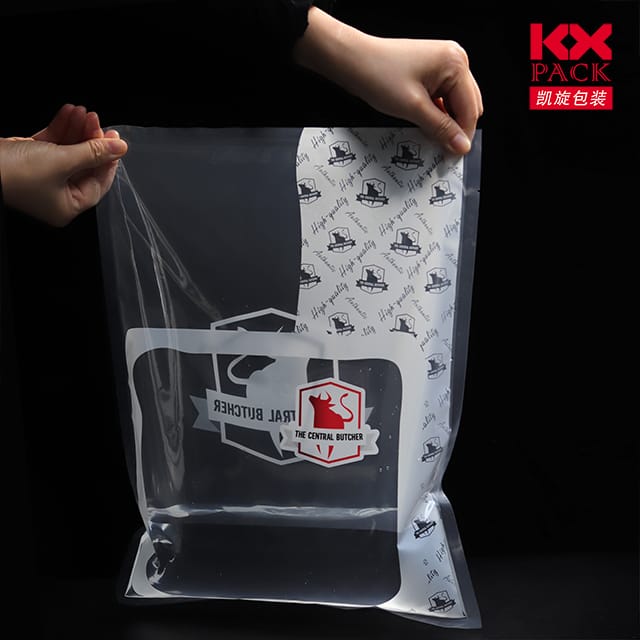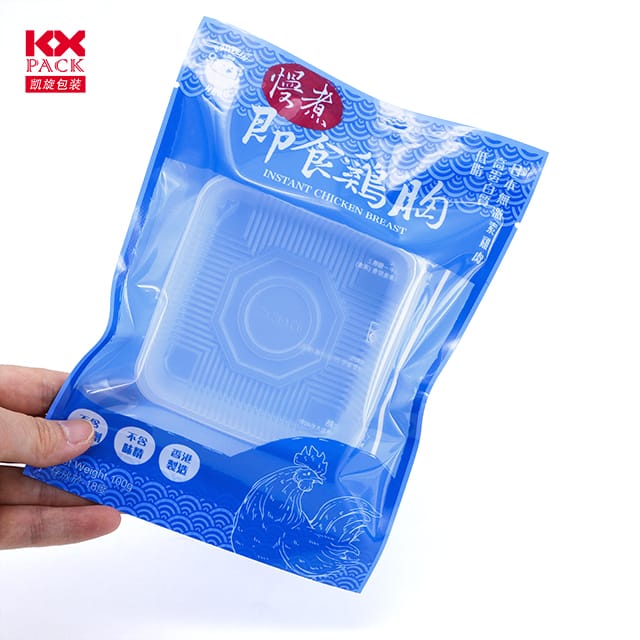
Na o le lalolagi o le afifiina o ata tifaga: Manatu Autu mo Pisinisi
Puleaina o ata tifaga
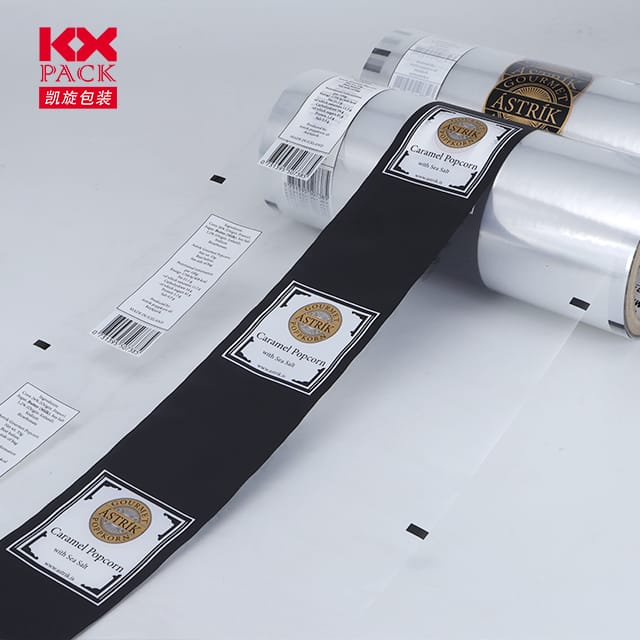
I aso nei o le taimi o le tagata faatauga, O le afifiina e le o toe naʻo le puipuia o oloa - o se vaega taua o le faʻaaloalo, gafataulimaina, ma le poto masani tagata faatau. For businesses relying on fa'ameamea ata tifaga, O le filifilia o le paga saʻo e mafai ona faia pe malepe le faʻagaioiga lelei, Tau-Lelei, ma siosiomaga sini. Pe o oe i meaai, faleoloa, logistics, pe gaosiga, here’s a comprehensive guide to selecting the best supplier for your needs.(Puleaina o ata tifaga)
Why Packaging Film Matters More Than Ever
Packaging films serve multiple purposes:
- Faasaoloto: Extending shelf life for perishable goods (E.g., meaai, faisalao).
- Puipuiga: Shielding products from moisture, pefu, and physical damage during transit.(Puleaina o ata tifaga)
- Promotion: Enhancing visual appeal through high-quality printing and customization.
- Soifua Maloloina: Meeting eco-conscious demands with biodegradable, toe fa'aaogaina, or compostable materials.
With these stakes, partnering with a reliablefa'ameamea ata tifaga is essential.
Top Factors to Evaluate When Choosing a Supplier
1. Material Quality and Innovation
E le o ata uma e faia tutusa. Look for suppliers offering:
- Diverse material options: Polythylene (PE), polypropylene (PP), polyester (PET), paipa, or laminated films for specific needs (E.g., O meatotino a le Barrir, Faamaumau le tetee).
- Advanced technologies: Anti-fog coatings, UV puipuiga, or smart packaging features (E.g., vevela-tulaga tulaga ese).
- Tusipasi: Compliance with food-grade standards (O le FDA, Atu), or eco-labels like OK Compost or TÜV Austria.(Puleaina o ata tifaga)
2. Tomai masani
Your packaging should align with your brand and product requirements. A good supplier should provide:
- Flexible sizing: Custom thickness, lautele, and length to minimize waste.
- Filifiliga lomitusi: High-resolution graphics, faʻapaʻu, or multilingual labels.
- GALUEGA AOAO-ITS: Easy-tear notches, Toe maua, or venting holes for freshness.(Puleaina o ata tifaga)
3. Lagolagoina Tausiga
With global regulations tightening on plastic waste, prioritize suppliers who:
- Offer toe fa'aaogaina, biodegradable, or compostable films.
- Fa'aoga Malosiaga Faafouina in production processes.
- Provide take-back programs or recycling partnerships.
- Are transparent about their carbon footprint and reduction strategies.
4. Cost-Effectiveness and Scalability
Balance quality with budget by assessing:
- Pricing models: Bulk discounts, just-in-time delivery, or consignment inventory options.
- Minimum order quantities (Moqs): Flexibility for small businesses vs. large-scale enterprises.
- Total cost of ownership: Consider durability (E.g., fewer film breaks = less downtime) ma otaota faaitiitia.
5. Reliability and Support
A supplier’s responsiveness can impact your production timelines. Evaluate:
- Lead times: Consistent delivery schedules, especially during peak seasons.
- Logistics expertise: Ability to handle global shipping, customs, or storage solutions.
- Customer service: Technical support, troubleshooting, and after-sales assistance.
Top Global Packaging Film Suppliers to Consider
While the best choice depends on your region and industry, here are some leading names known for quality and innovation:
- Amcor (Switzerland/Australia): Specializes in sustainable, high-barrier films for food and healthcare.
- Berry lalolagi (USA): Offers a wide range of flexible packaging solutions, including recycled-content films.
- Na faamauina le ea (USA): Known for protective packaging and cryogenic films for temperature-sensitive goods.
- Tolopo pipili (Iapani): Leader in advanced polyester films for electronics and industrial applications.
- Uflex (Initia ): Provides end-to-end packaging solutions, including biodegradable films.
Pro tip: Don’t overlook regional suppliers—they may offer competitive pricing, faster lead times, and localized expertise.
Le lumanaʻi o afifiina faʻapipiʻi
The industry is rapidly evolving toward:
- Pulea Pulea: Films embedded with sensors for freshness tracking or authentication.
- O ata fou: Made from natural polymers (E.g., maso, chitosan) ia faaitiitia otaota.
- Circular economy models: Closed-loop systems where films are recycled into new products.
Fa'ai'uga: Partnering for Success
Selecting the rightfa'ameamea ata tifaga requires careful consideration of your product needs, sustainability goals, ma le paketi. By prioritizing quality, fou, ma le talitonuina, you can secure a partnership that enhances your brand reputation, faaitiitia le siosiomaga aafiaga, and drives long-term efficiency.
Sauni e faʻaleleia lau afifi? Start by requesting samples, auditing supplier certifications, and negotiating terms that align with your growth strategy.
Have questions about specific suppliers or materials? Share them in the comments below—we’d love to help! 📦🌍💡