Uamea ata tifaga meaai: O le susulu o le fofo mo le fou, Soifua Maloloina, ma le anufe afu
Uamea ata tifaga meaai
In the competitive world of food packaging, O ituaiga o loʻo sailia pea ni mea e paleni ai le saʻo, arethetics, ma le siosiomaga tiutetauave. Ulufale maiafifiina meaai ata tifaga metalized—a sleek, maualuga-faatinoga tali o le mauaina o ituaiga, Mai meaʻai ma le kofe e faʻaʻaisa ai meaʻai ma le leaga. Ae o le a le mea e tupu ai lenei mea? Sei o tatou sailia ni penefiti, Faatatauga, and how it’s evolving to meet sustainability demands.
What Is Metalized Film Food Packaging?
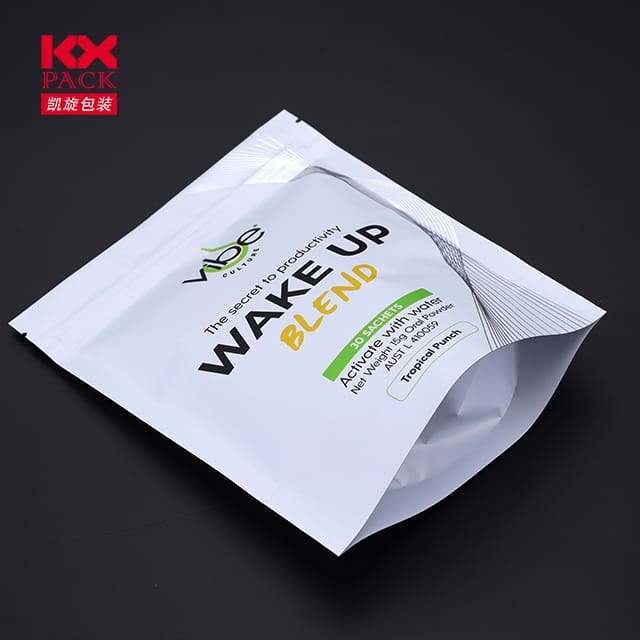
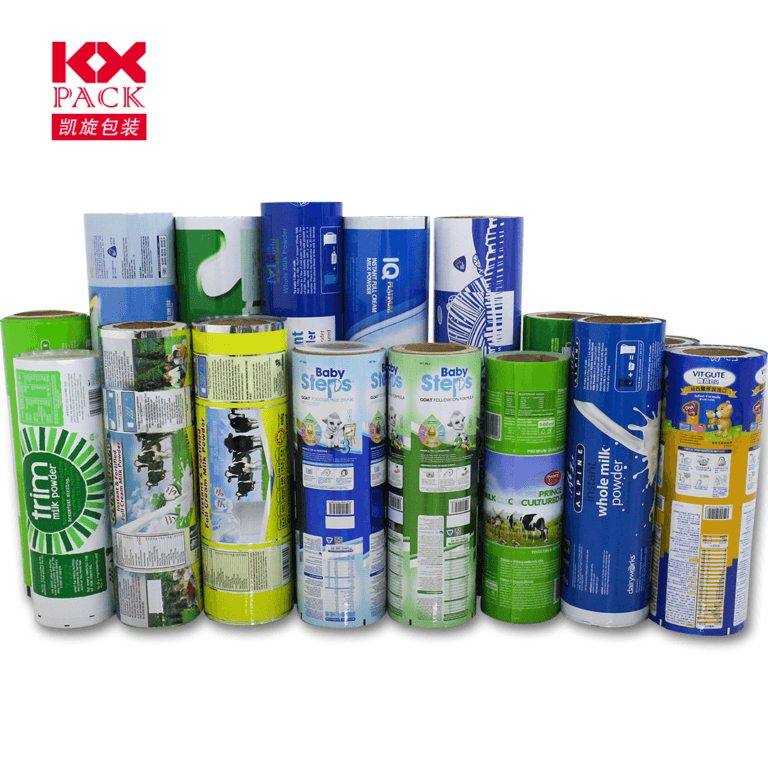
Metalized film is a plastic substrate (typically polyester or polypropylene) coated with a thin layer of aluminum through a vacuum deposition process. This creates a barrier that’s both lightweight and highly reflective, mimicking the properties of traditional foil but with greater flexibility and printability. O le taunuuga? Packaging that stands out on shelves while protecting contents from moisture, okesene, and light—three major culprits of food spoilage.(Uamea ata tifaga meaai)
Key Benefits of Metalized Film Packaging
1. Superior Barrier Properties
The aluminum layer acts as a shield against:
- Okesene: Prevents oxidation, which can degrade flavors and nutrients (E.g., in coffee or nuts).
- Moisture: Keeps crispy snacks like chips and crackers fresh by blocking humidity.
- Uv moli: Protects light-sensitive products, such as vitamins or certain beverages.
Compared to standard plastic films, metalized options can extend shelf life by30–50%, reducing food waste and saving costs for brands and consumers alike.
2. Eye-Catching Aesthetics
The reflective surface of metalized film creates a premium, high-shine finish that’s hard to ignore. Brands leverage this for:
- Brand differentiation: Stand out in crowded aisles with holographic or iridescent effects.
- Luxury appeal: Elevate packaging for gourmet or specialty products (E.g., sukalati, artisanal cheeses).
- Dynamic printing: Combine metalized backgrounds with vibrant inks for bold, photorealistic designs.(Uamea ata tifaga meaai)
3. Malamalama ma fetuu
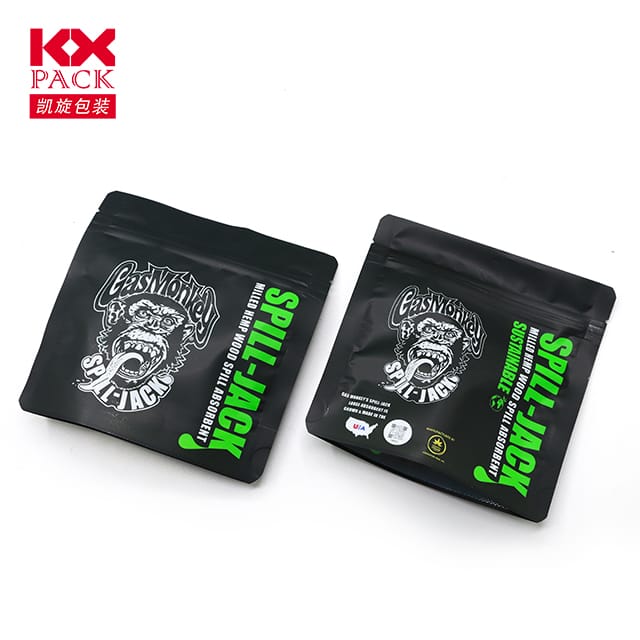
Unlike rigid aluminum cans or glass jars, metalized films can be formed into pouches, sasama, or lidding films without adding bulk. This reduces shipping costs and carbon footprints—a win for sustainability-minded brands.(Uamea ata tifaga meaai)
Common Applications
Metalized film packaging is versatile, used for:
- Snack foods: Pateta chips, pretzels, and popcorn stay crunchy in resealable pouches.
- Coffee and tea: Vacuum-sealed bags with metalized layers preserve aroma and freshness.
- Meaʻai Faʻaola: Protects against freezer burn in pizza, fualaau faisua, and ready meals.
- Anufeotonery: Chocolate bars and candies benefit from light and moisture barriers.
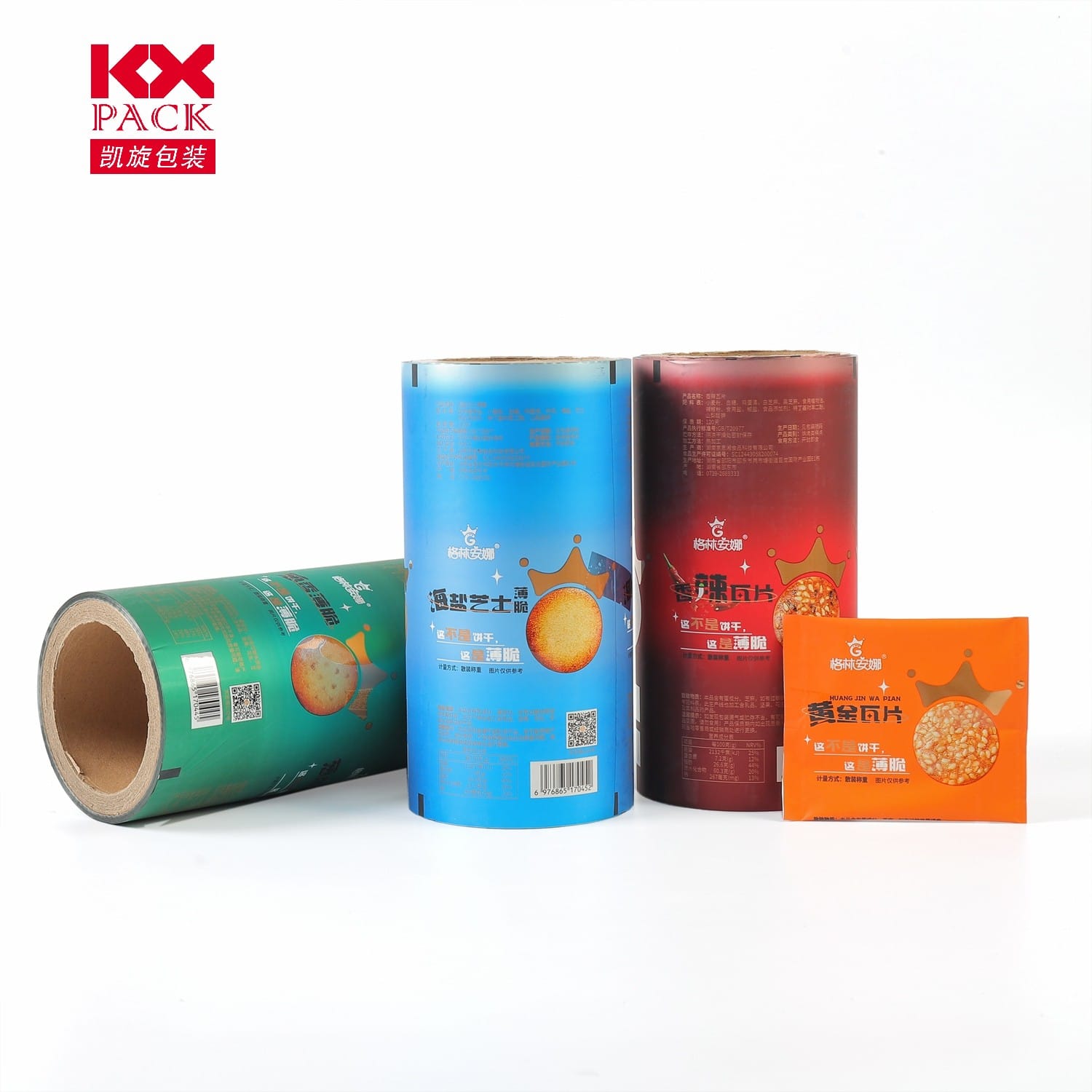
- Faisalao: Some over-the-counter products use metalized blister packs for added protection.(Uamea ata tifaga meaai)
Soifua Maloloina: Luʻi ma mea fou
While metalized films offer performance perks, their recyclability has been a hurdle. The aluminum layer is often too thin to separate from plastic during standard recycling, leading to landfill waste. Peitai, O le alamanuia o loʻo tali atu ma eco-faauo filifiliga:
1. Recyclable Metalized Films
Newer materials, peiuamea fagafao (Polythylene terephthlate), are designed for curbside recycling in some regions. Brands like Coca-Cola and Nestlé are piloting these solutions for beverage multipacks and snack pouches.
2. Compostable and Biodegradable Options
Some manufacturers are exploring metalized coatings derived from plant-based materials or minerals, though these are still in early stages.
3. Downgauging
By using thinner films without sacrificing barrier properties, brands reduce plastic use. Faataitaiga, a 48-gauge metalized polypropylene film can replace thicker, non-metalized alternatives.
4. Reusable Packaging Models
Companies like Loop are partnering with brands to create durable, refillable metalized containers for products like pet food and detergents.
The Future of Metalized Film Packaging
As consumer demand for sustainable packaging grows, metalized films will continue to evolve. Expect innovations in:
- Pulea Pulea: Incorporating freshness indicators or QR codes for supply chain transparency.
- Advanced barrier coatings: Nanotechnology could enhance gas resistance without metal layers.
- Fa'ata'amilosaga fa'aletupe: More widespread adoption of recyclable or compostable metalized materials.
Fa'ai'uga: Shine On, Sustainably
Metalized film food packaging isn’t just about aesthetics—it’s a powerful tool for preserving food quality, Faaitiitia lapisi, and meeting modern sustainability goals. A o le aupito tumau, the industry’s focus on recyclability and circular design signals a brighter future for this shiny star of packaging materials.
Sauni e faʻaleleia lau afifi? Whether you’re launching a new product or refreshing an existing line, metalized films offer a blend of performance and shelf appeal that’s hard to beat. Just remember to prioritize suppliers committed to eco-friendly innovations!
What’s your take on metalized film packaging? Share your thoughts or questions in the comments below—we’d love to hear from you!