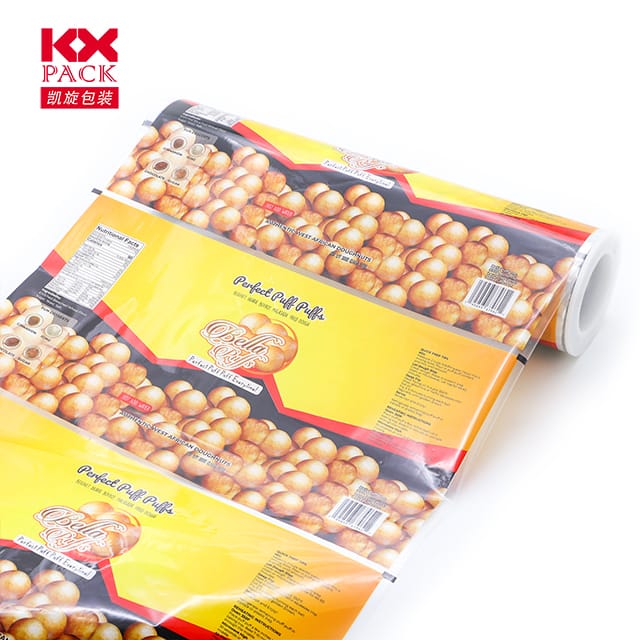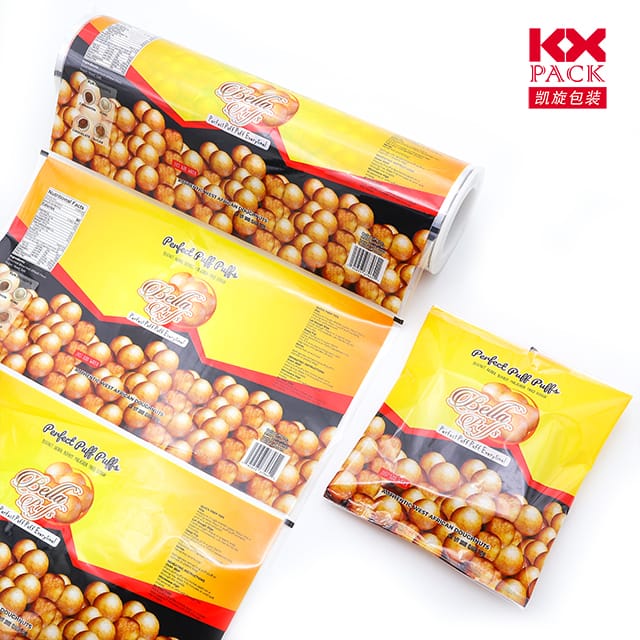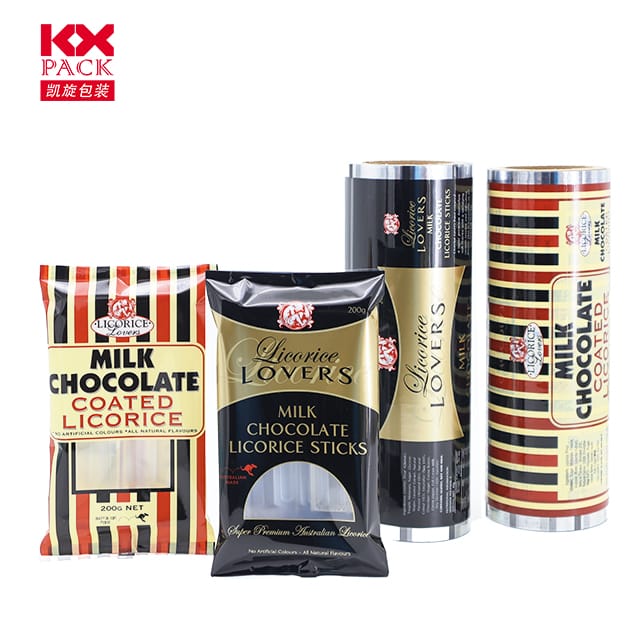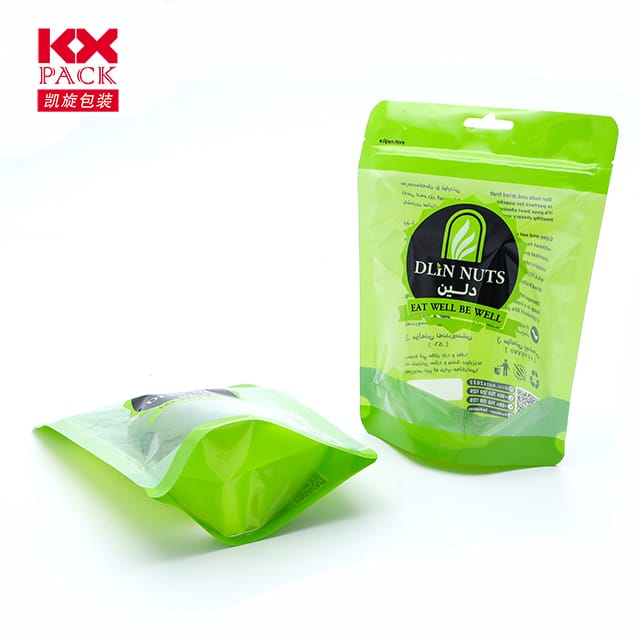
Taavaleina afifiina: O le tulai mai o le sprable palasitika ata tifaga fou(1)
Flexible Plastic Film
In an era where sustainability and functionality reign supreme, flexible plastic film packaging ua tulaʻi mai o se taʻaloga-tagata sui i luga o faleʻaiga. Mai meaʻai faʻasao i le e-pisinisi tilivaina, O lenei moli moli ae o mea e tumau e toe faʻatulaga pe faʻafefea ona matou afifi, puipui, ma le mauaina o oloa. Let’s delve into why flexible plastic films are more than just a packaging trend—they’re a sustainable solution for modern challenges.
1. Faifua: A One-Size-Fits-All Approach
Flexible plastic films excel in adaptability. Their ability to conform to irregular shapes, seal tightly, and withstand various environmental conditions makes them ideal for:
- Mea'ai & Meainu: Vacuum-sealed packaging extends shelf life, while barrier films protect against moisture and oxygen.
- Faisalao: Tamper-evident seals and child-resistant closures ensure safety.
- E-Commerce: Stretchable films secure items during transit, reducing damage and returns.
Unlike rigid packaging, flexible films require less raw material, enabling brands to optimize space in warehouses and on shelves.
2. Soifua Maloloina: A Step Toward Circular Economy
While traditional plastics face criticism for environmental impact, flexible plastic films are pioneering greener alternatives:
- Bio-based Films: Made from renewable resources like cornstarch or algae, these films decompose faster than conventional plastics.
- Toefausia mataupu: Tele o tagata gaosi nei o loʻo tuʻufaʻatasia nei (PCR) materials into films, reducing reliance on virgin plastics.
- Lightweight Design: Using less material per package lowers carbon footprints during production and transportation.
Industry leaders are also exploringO ata faʻapipiʻi maVailaau toe totogi to close the loop on plastic waste.
3. Fou: Tech Meets Design
Flexible plastic films are no longer just a barrier—they’re a canvas for innovation:
- Pulea Pulea: Films embedded with sensors can monitor freshness, detect leaks, or even interact with consumers via QR codes.
- Maualuga-Bariti Fitms: Advanced coatings extend product longevity by blocking UV light, gases, or moisture.
- Printable Surfaces: Vibrant graphics and holographic effects enhance brand visibility and consumer engagement.
These advancements not only protect products but also elevate the unboxing experience, fostering brand loyalty.
4. Lui Agai & Lumanai vaaiga
Despite their benefits, flexible plastic films face hurdles:
- Toe faaleleia le alualu i luma: Many films are difficult to recycle due to multi-layer structures or additives. Improving sorting technologies and standardizing materials could address this.
- Tagata faatau manatu: Misconceptions about plastic’s environmental toll persist. Education campaigns and transparent labeling (E.g., “Made with 50% PCR”) can build trust.
Foliga i luma, biodegradable polymers mavai-tolopoina ata hold promise for zero-waste packaging. Collaborations between material scientists, brands, and policymakers will be crucial in scaling these solutions.
Fa'ai'uga: Embracing the Flexibility Revolution
Flexible plastic film packaging is more than a material—it’s a catalyst for change. By balancing functionality, gafataulimaina, ma fou, it empowers brands to meet consumer demands for convenience, saogalemu, ma eco-malamalama. A o le tekonolosi evolves, the future of packaging lies in films that are not just flexible in form but also adaptable in purpose.
Valaau i gaioiga:
How can your brand leverage flexible plastic films to enhance sustainability and customer experience? Fetufaai ou manatu i manatu o manatu i lalo!