Suesueina o le evolusione ma fou o ata tifaga palasitika: O le aotelega lautele (2)
Ata Tifaga
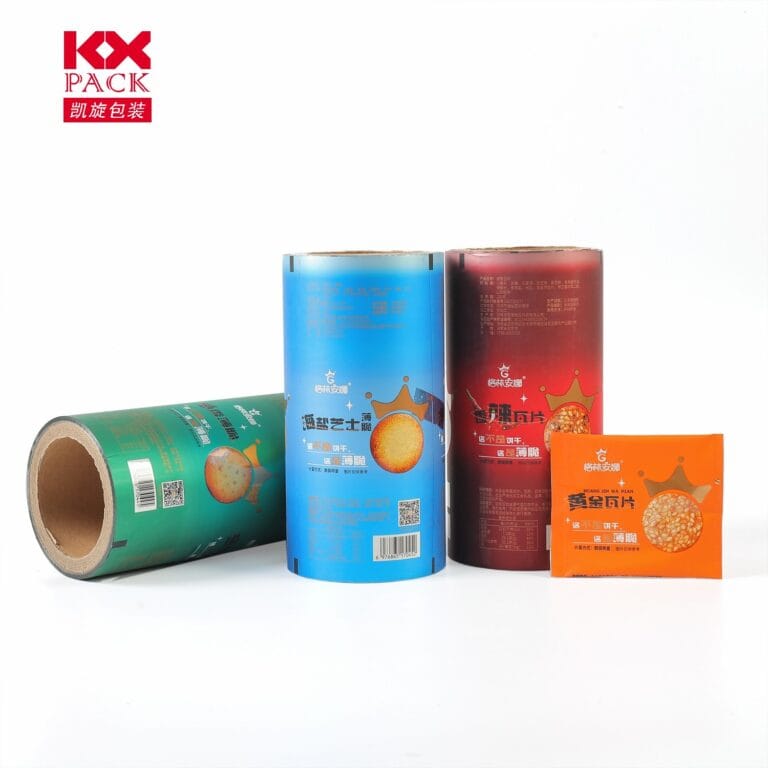
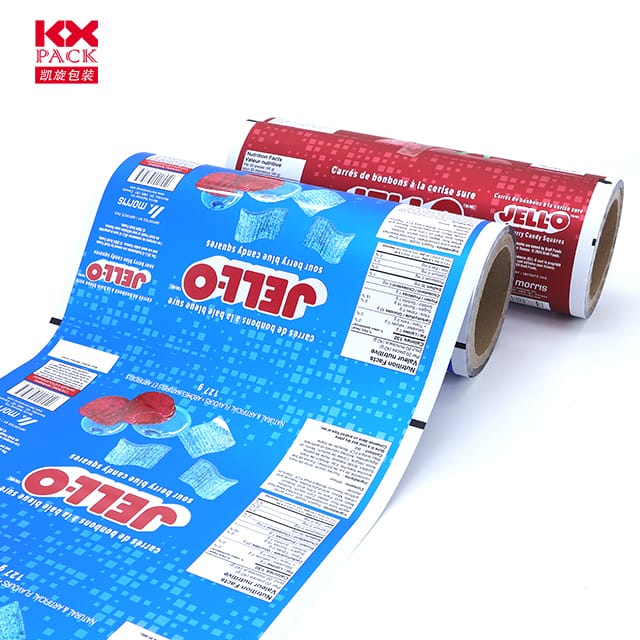
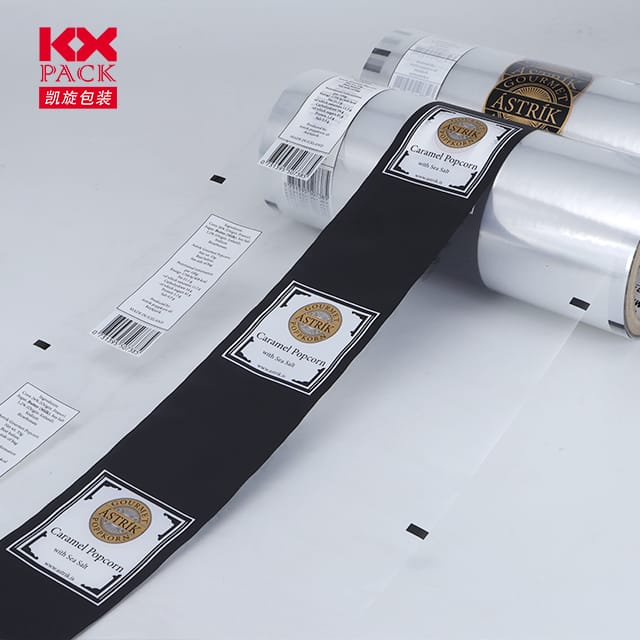
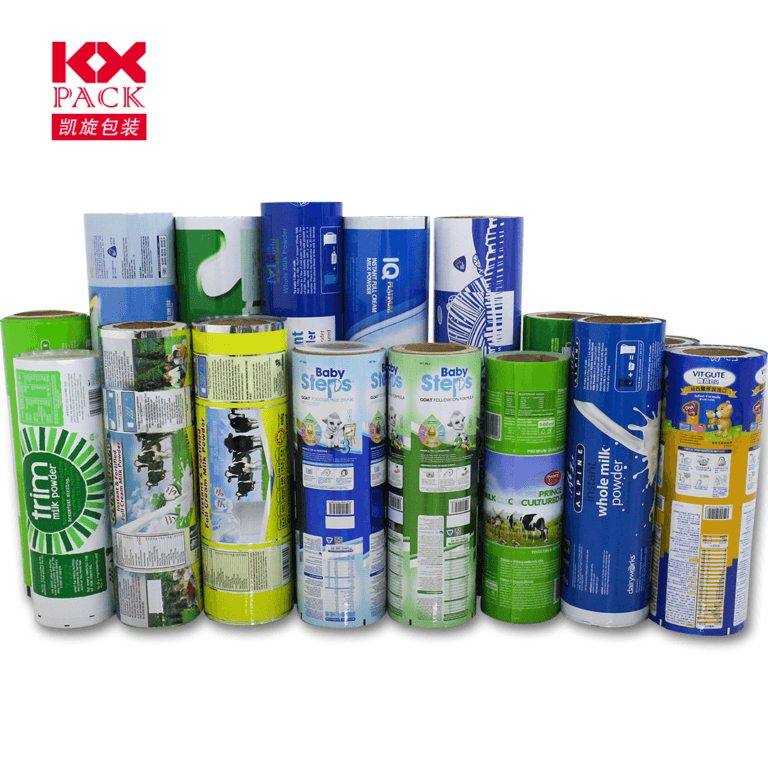
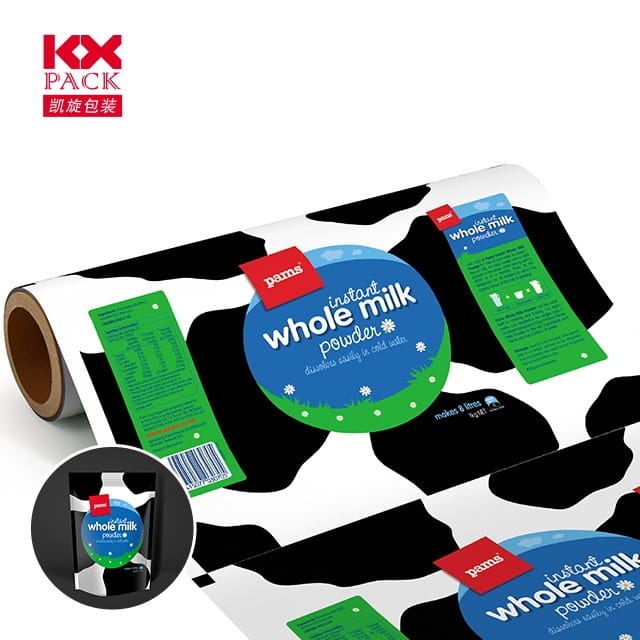
The term “Ata Tifaga” e faasino i se vaega tele o manifinifi, O mea fetuutuunai e maua mai i le polymers, Taaalo se vaega o le vaega o Alamanuia. Mai le afifiina fofo e alualu i luma, O ata tifaga e suia ai nei aso o le gaosiga ma tagata faatau. O lenei blog Delves i lo latou taua, lata mai fou, ma le lumanaʻi masani.
1. O le faavae: Types and Applications
Film plastics encompass a range of materials, e aofia ai le polyethylene (PE), polypropylene (PP), polyester (PET), and biodegradable polymers like PLA. O latou malamalama, tumau, and cost-effective properties make them indispensable in:
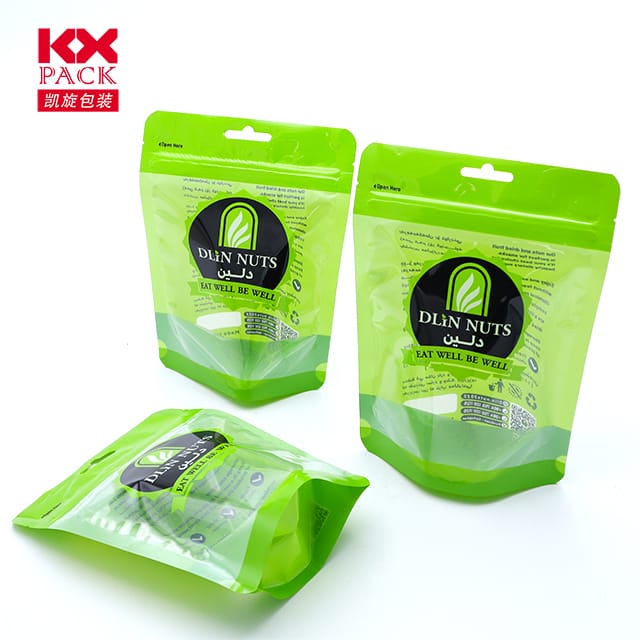
- afifiina: Food-grade films extend shelf life, while industrial films protect goods during transit.
- Faatoaga: Mulching films improve crop yields by retaining soil moisture.
- Eletise: Conductive and insulating films enable high-performance circuit boards.
- Medical Devices: Sterile packaging and implantable materials rely on biocompatible films.
2. Market Dynamics and Growth
The global film plastic market is experiencing steady expansion, aveina e:
- Rising Demand: The packaging sector, particularly in emerging economies, fuels consumption.
- Tulaga tekonolosi agai i luma: Innovations like nanotechnology and multi-layer coextrusion enhance film functionality.
- Faletupe gafataulimaina: Regulatory pressures and consumer demand push for biodegradable and recyclable films.
E tusa ai ma galuega alamanuia, the market size was valued at approximatelyUSD 787 piliona i 2022 and is projected to reachUSD 963.7 piliona e 2029, ma le cagr o 2.9%. Key players include China, the U.S., and Europe, where industries are rapidly adopting eco-friendly alternatives.
3. O mea fou e mafua ai le lumanai
3.1 Functional Films for Specialized Needs
- Antifog and Antistatic Films: These prevent condensation and static buildup, critical for electronics and food packaging.
- Maualuga-Bariti Fitms: Used in food and pharmaceutical packaging, they extend product shelf life by blocking oxygen and moisture.
- Ata sili: Incorporating RFID tags, temperature sensors, po o qr tulafono, these films enhance traceability and consumer engagement.
3.2 Soifua Maloloina: O le lanumeamata lanumeamata
- Ata biodegrable: Plan (polylactic acid) and other bio-based polymers reduce environmental impact. O lesi foi mea, LVMH Group uses PLA-based films for luxury packaging.
- Toefausia mataupu: Brands like Coca-Cola and Mars are adopting 100% rPET (recycled PET) in their packaging, signaling a shift toward circular economy practices.
- Malamalama lelei: Reducing material thickness without compromising strength—such as PepsiCo’s 10% lighter 330ml PET bottles—cuts costs and carbon footprints.
3.3 High-Performance Films for Emerging Industries
- Automotive Lightweighting: Films like PA6/12 and PPE+PA composites reduce vehicle weight, boosting fuel efficiency. BMW’s i3 and Toyota’s ISO Dynamics resin seats exemplify this trend.
- Eletise: High-temperature-resistant films (E.g., PEEK, PPS) enable safer, faster-charging EV batteries.
- Medical Innovations: Biocompatible films for drug packaging and implants, such as Astellas’ bio-based blister packs, improve patient safety.
4. Luʻitau ma Avanoa
Despite progress, O le alamanuia e feagai ma feulafana:
- Waste Management: Single-use plastics remain a concern, necessitating better recycling infrastructure.
- Tulafono faatonutonu: Stringent environmental laws (E.g., EU’s single-use plastic ban) require agile adaptation.
- Tau vs. Soifua Maloloina: Biodegradable films often cost more, limiting adoption in price-sensitive markets.
Peitai, these challenges drive innovation. Collaborations between academia and industry, such as Amat Medical’s PLCL polymer stents, show promise in closing the gap between performance and sustainability.
5. O le auala i luma
The future of film plastics hinges on:
- Alualu i luma masani i tekinolosi tekinolosi: Chemical recycling of mixed plastics could unlock high-value applications.
- Pulea Pulea: Integration of IoT sensors for real-time product monitoring.
- Global Collaboration: Cross-industry partnerships to standardize sustainable practices.
Fa'ai'uga
Film plastics are more than mere packaging materials—they are enablers of innovation, lelei, ma le gafataulimaina. A o tamaoaiga e tele, so too must these films, Faapaleni le faatinoga ma le siosiomaga. The journey ahead demands creativity, galulue faatasi, and a commitment to a greener future.
What are your thoughts on the future of film plastics? Faasoa atu ou malamalamaaga i faʻamatalaga o loʻo i lalo!