Fa'ailoaina o le Lalolagi o Ata Lomitusi Numera: Faatatauga, Faamanuiaga, ma Trends
Digital Printing Film
In the fast-paced world of visual communication, digital printing film has emerged as a game-changer for businesses and creatives alike. Mai ata mata'utia i luma o faleoloa e o'o atu i fa'ailoga oloa tumau, e tu'ufa'atasia e lenei auala fa'apitoa fa'atekonolosi fa'ato'aga ma le fa'atinoga. Se'i o tatou su'esu'e pe o le a le mea ua avea ai le ata lolomi faakomepiuta ma meafaigaluega e tatau ona i ai i maketi ma mamanu faaonaponei.
1. What is Digital Printing Film?
Digital printing film refers to thin, flexible plastic sheets (like PET, PVC, pe polypropylene) coated with a printable surface. Unlike traditional inkjet papers, these films are designed to withstand outdoor elements, making them ideal for:
- Short-term promotions (E.g., sale banners, event signage).
- Product labeling (le susu, oil-resistant stickers).
- Decorative applications (window graphics, wall murals).
- Industrial uses (membrane switches, control panels).
The magic lies indigital printing technology, which allows for on-demand, high-resolution designs without the need for printing plates or lengthy setup times.
2. Key Advantages Over Traditional Methods
Why are brands ditching screen printing for digital film? Here’s why:
| Fa'aaliga | Digital Printing Film | Traditional Methods |
|---|---|---|
| Turnaround Time | 24–48 hours (no drying time) | Weeks (plating, setup) |
| Tau-Tauleleia | Affordable for small batches | High setup costs for low quantities |
| Tuufaatasiga | Full-color gradients, Ata, variable data | Limited color options, no complexity |
| Eco-Friendliness | Solvent-free inks, recyclable materials | Harsh chemicals, more waste |
3. Top Applications Across Industries
- Faleoloa & Advertising: Vibrant window clings, floor graphics, and hanging banners.
- Alatoto: Custom car wraps, decals, and protective films.
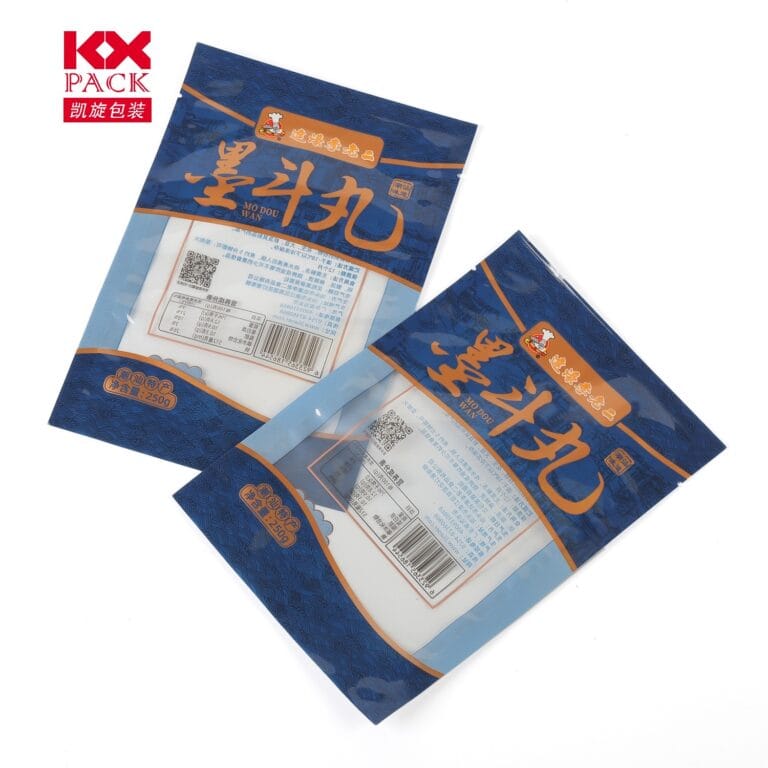
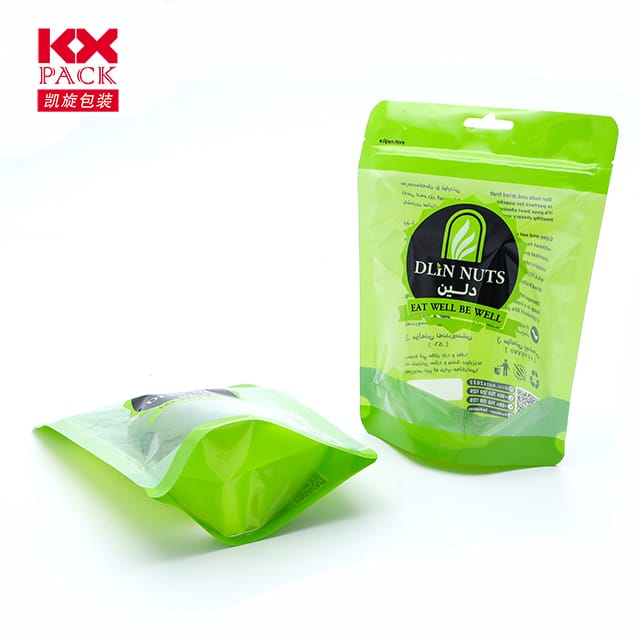
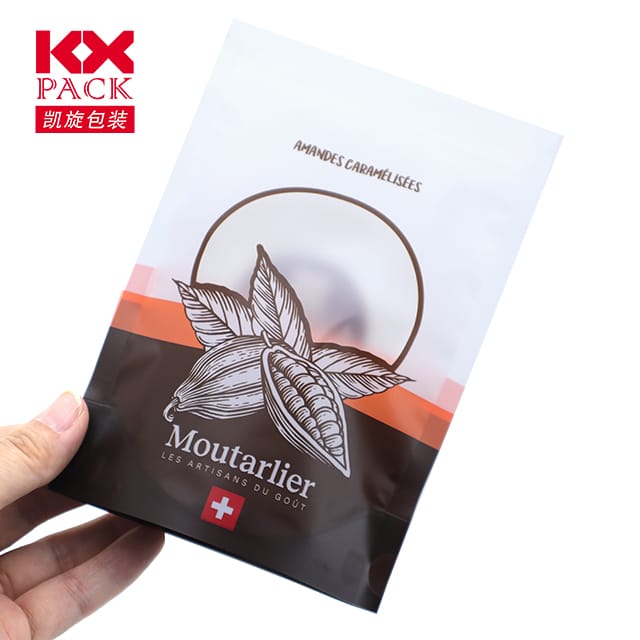
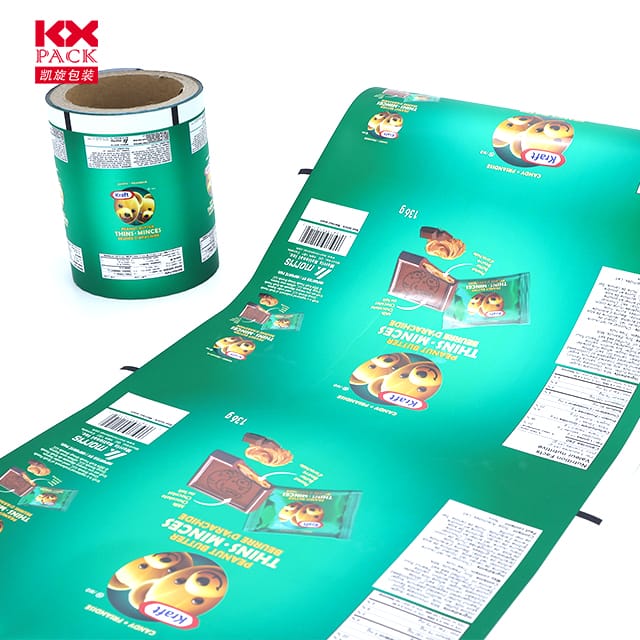
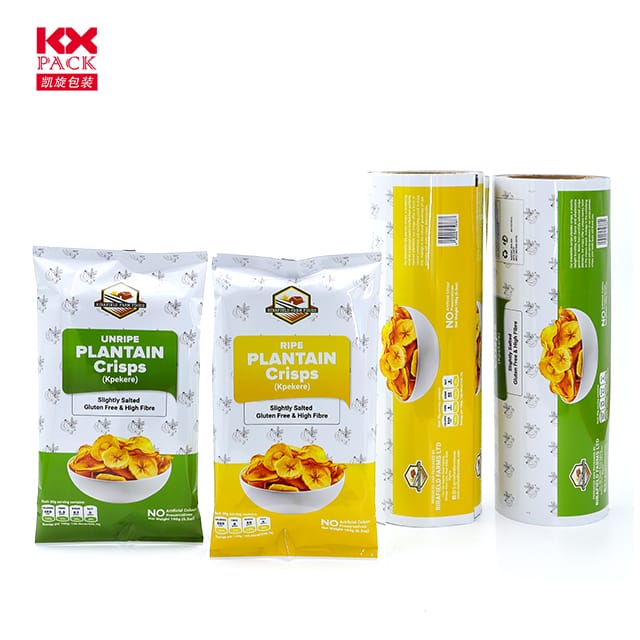
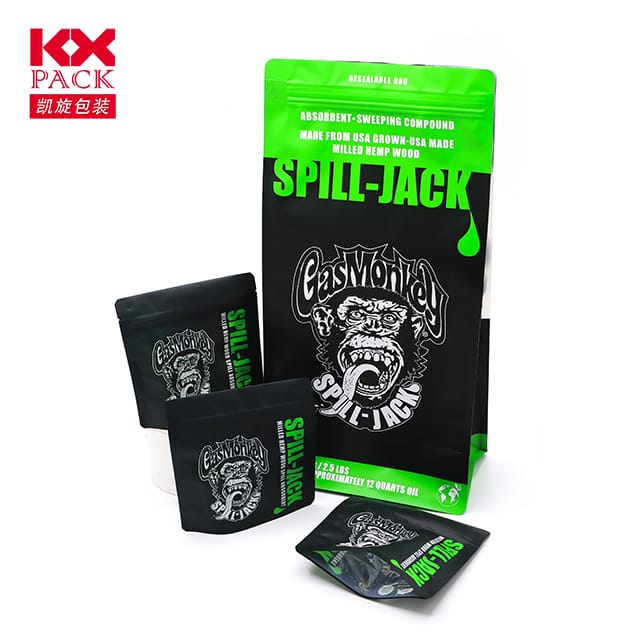
- afifiina: Durable labels for food, mea teuteu, ma electronics.
- Architecture: Decorative wall films and privacy screens.
- Soifua lelei: Sterilizable labels for medical devices.
Tulaga Suesueina: A coffee chain used digital film to create seasonal window graphics, boosting foot traffic by 30% during holiday campaigns.
4. Choosing the Right Film Type
E le o ata uma e faia tutusa. Key factors to consider:
- Meafaitino:
- PET: Susulu, scratch-resistant (best for outdoor use).
- PVC: Fetuʻutuʻunaʻi, conformable (ideal for curved surfaces).
- Polypropylene: Matte finish, tau-aoga (indoor signage).
- Adhesive: Permanent, removable, or repositionable glue.
- mafiafia: 3–5 mil for stickers; 5–8 mil for durable outdoor signs.
- Faauma: Gloss, matua, or textured for tactile appeal.
5. Future Trends to Watch
- Soifua Maloloina: Biodegradable films and water-based inks.
- Ata sili: Interactive prints with QR codes or NFC tags.
- UV-Cured Printing: Instant curing for faster production.
- 3D Textures: Embossed effects mimicking leather or fabric.
Masani Fuafuaga: The digital printing film market is projected to grow 6.8% annually through 2030, driven by eco-conscious branding and short-run customization needs.
6. Best Practices for Success
- Design for Bleed: Leave 1/8” extra space to avoid white edges after trimming.
- Test Samples: Order a small batch to check color accuracy and adhesion.
- Lamination: Add a matte/gloss overlay for extra UV protection.
- Work with Experts: Partner with a supplier offering color profiling and material certification.
Fa'ai'uga
Digital printing film isn’t just a material—it’s a bridge between creativity and practicality. Whether you’re a startup needing affordable signage or a Fortune 500 company revamping product labels, this technology delivers speed, fetuutuunai, and stunning visuals.
Sauni e suia lau isi galuega? Explore the endless possibilities of digital printing film today! 🖨️✨