Filmska omaka iz vrečke: Malo verjetni junak sodobne prehranjevalne kulture
Filmska omaka iz vrečke
In an era where convenience and sustainability dominate consumer choices, skromnosauce sachet has quietly evolved into a cultural icon—one that intersects with food technology, okoljska odgovornost, in celo kino. This trifecta ofsauce, vrečka, infilm reveals a fascinating narrative about how small innovations can reshape industries. Raziščimo to nepričakovano sinergijo.
1. Vrečke za omako: From Fast Food Staple to Sustainability Champion
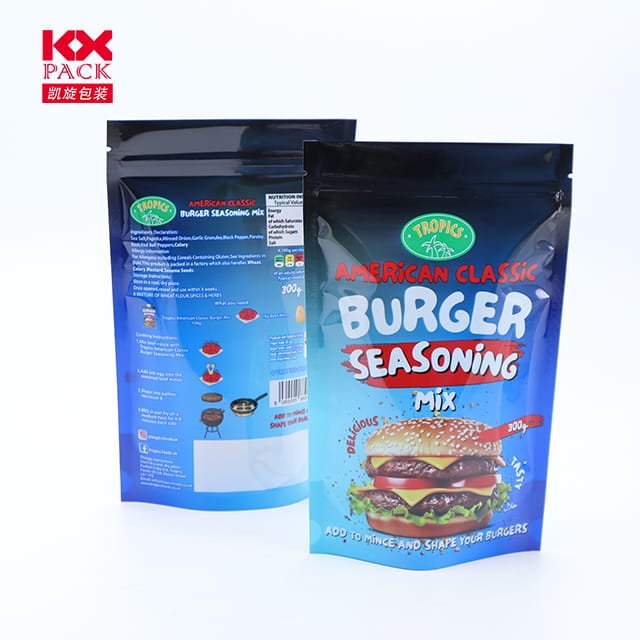
The Filmska omaka iz vrečke, a compact plastic or paper packet containing condiments like ketchup, mayonnaise, or soy sauce, was once a symbol of disposable convenience. Vendar, its role has expanded dramatically in recent years.
- Rast trga: The global sauces, začimbe, and dressings market is projected to reach $239.6 milijarde z 2030, with sachets and pouches growing at a 5.95% CAGR—faster than traditional bottles. This shift is driven by portion control, reduced plastic waste, and alignment with EU recyclability mandates.
- Vpliv na okolje: While single-use sachets faced criticism for plastic pollution, innovations like biodegradable materials and resealable designs are transforming their image. Na primer, brands now use plant-based films to reduce carbon footprints.
- Cultural Penetration: From McDonald’s ketchup sachets to global fast-food chains, these tiny packets have become ubiquitous. A 2024 incident in Glasgow—where a customer received only a drink and a ketchup sachet in a £7 order—highlighted their symbolic value (and the chaos when they’re missing).
2. The Film Connection: From Packaging to Screen
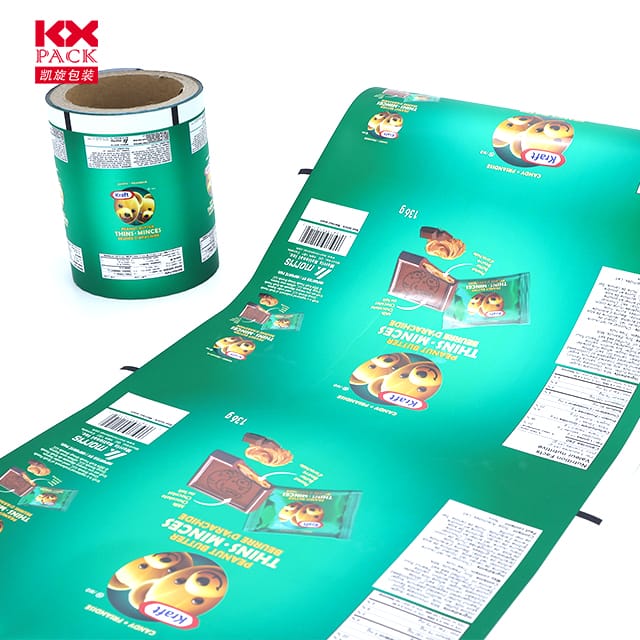
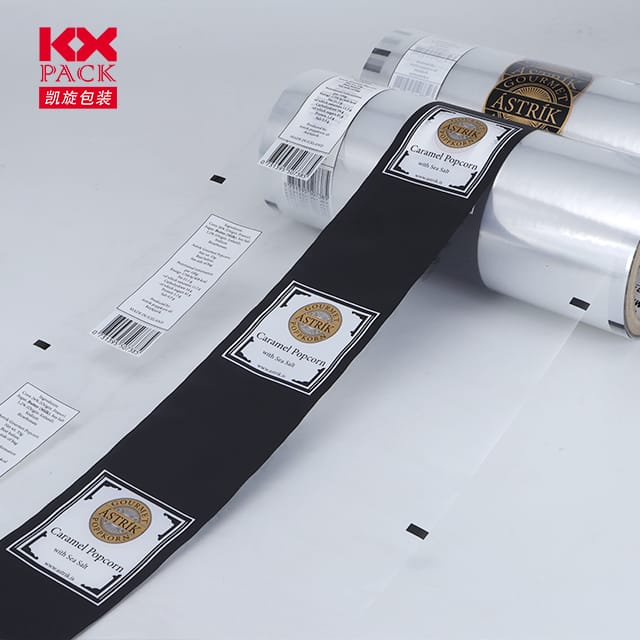
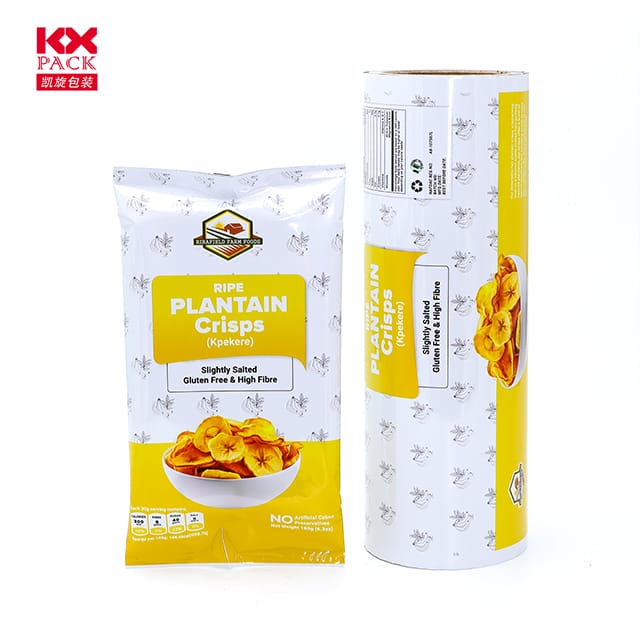
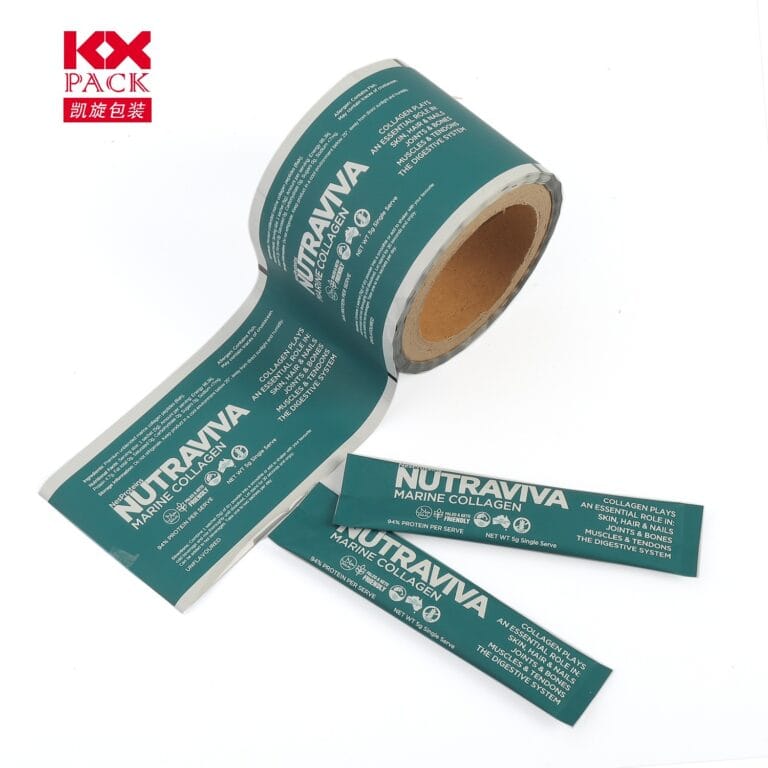
The term film takes on dual meanings here: the thin, flexible material used in sachet packaging and its role in cinema.(Filmska omaka iz vrečke)
- Embalažni film: Advanced multilayer films now protect sauces from moisture, kisik, in svetloba, podaljšanje roka uporabnosti. These films are engineered for sustainability, with some regions mandating 30% biodegradable content by 2021.
- Cinematic Metaphor: Just as film captures stories, sauce sachets encapsulate cultural narratives. Consider how ketchup sachets in international fast-food chains symbolize globalization, while regional sauces (Npr., sriracha in Southeast Asia) reflect local tastes.
- Documentary Spotlight: Films like The Sachet Revolution (hypothetical) could explore how these packets are reshaping food systems, much like documentaries on plastic waste or agricultural innovation.(Filmska omaka iz vrečke)
3. The Sachet’s Second Act: Beyond Condiments
Sachets are breaking free from the fast-food realm:
- Health & Wellness: Single-serve vitamin sachets and protein powders cater to fitness enthusiasts.
- Luxury Markets: High-end restaurants now offer artisanal sauces in designer sachets, blending convenience with gourmet appeal.
- Emergency Aid: Humanitarian organizations distribute meal kits with sachets of oil, salt, and spices in disaster zones—a lifesaving innovation documented in films like The Humanitarian Kitchen.(Filmska omaka iz vrečke)
4. Izzivi in inovacije
Despite their rise, sauce sachets face hurdles:
- Zaznavanje potrošnikov: Some view them as wasteful, prompting brands to adopt refill stations or compostable packaging.
- Technological Limits: Ensuring barrier properties in eco-friendly films remains a challenge.(Filmska omaka iz vrečke)
- Cultural Adaptation: In regions like India, sachets of spices are gifted at weddings—a tradition blending practicality with ritual.
Zaključek: A Tiny Packet, A Global Impact
The sauce sachet’s journey from a fast-food accessory to a sustainability tool and cultural symbol mirrors broader trends in food innovation. As films document these changes and packaging films evolve, one thing is clear: even the smallest innovations can leave a lasting legacy.
torej, the next time you tear open a sachet, remember—you’re not just adding flavor to your meal. You’re participating in a story of globalization, environmental progress, and perhaps even cinematic history.
Word Count: 698