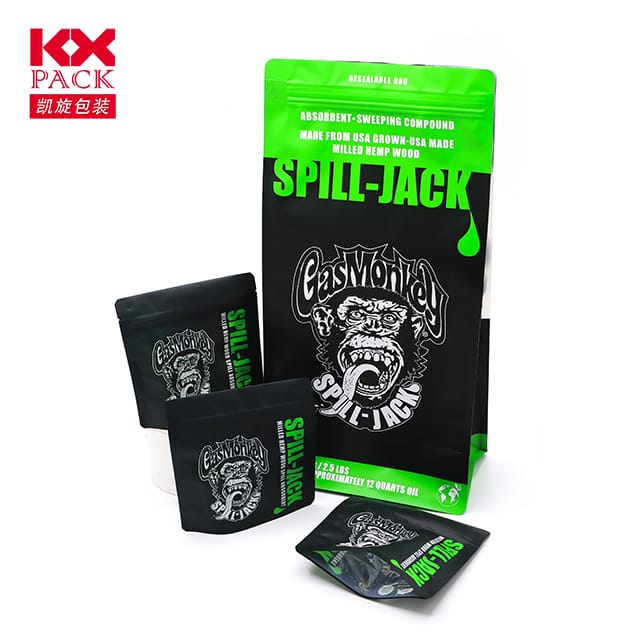
Raziskovanje vsestranskosti in inovativnosti plastične folije za tiskanje v sodobni embalaži
Tiskanje filmske plastike
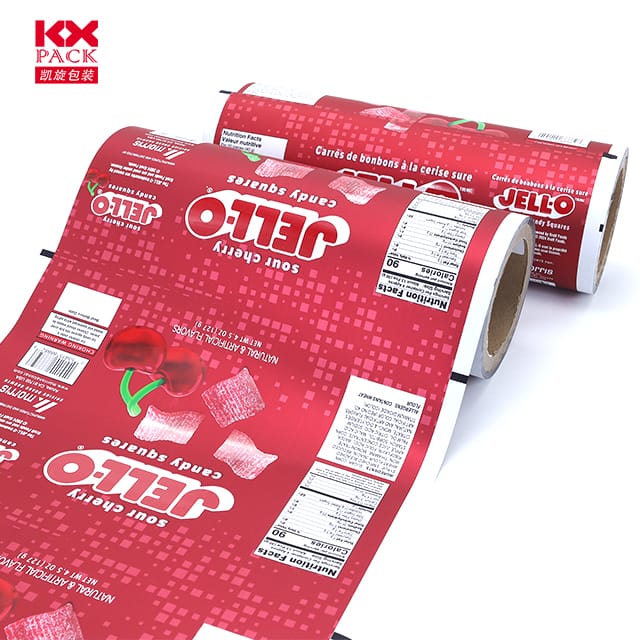
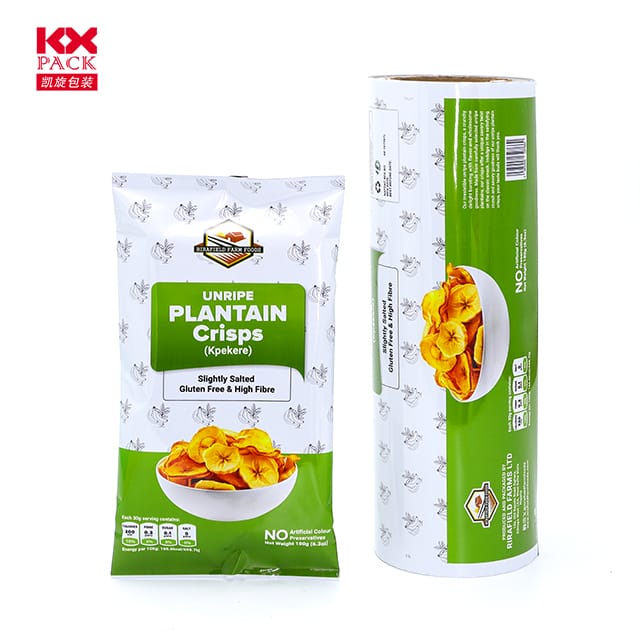
V dinamični pokrajini sodobne embalaže, Tiskanje filmske plastike has emerged as a cornerstone of innovation, mešanje funkcionalnosti z estetsko privlačnostjo za izpolnjevanje razvijajočih se zahtev industrij, od hrane in pijače do farmacevtskih in potrošniških dobrin. Ker se svetovni potrošniški trendi premikajo k trajnosti, prilagoditev, in učinkovitost, manufacturers are leveraging advanced materials and printing technologies to redefine what’s possible with plastic films.
The Rise of Print Film Plastic: A Market Overview
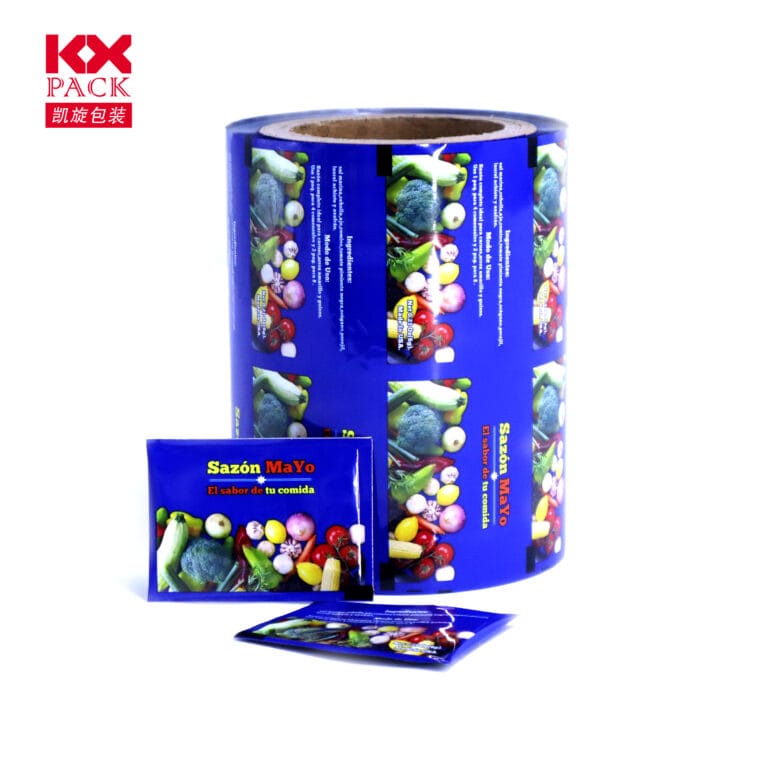
Recent market analyses highlight the exponential growth of plastic packaging solutions, with a projected Compound Annual Growth Rate (CAGR) od 3.89% od 2024 do 2029, reaching a valuation of $1.38 trillion by 2029. Among these, Tiskanje filmske plastike stands out for its adaptability and cost-effectiveness. Companies like Guangdong Danqing Printing Co., doo, a leading manufacturer since 1993, specialize in customizable print films for applications such as tomato sauce packaging, offering materials like PET+PE, PET+AL+VMPET+NY+PE, in še več, with up to 10-color gravure printing capabilities. Their products, which are FDA-compliant and eco-friendly, cater to a global clientele, including major beverage brands in the USA, Združeno kraljestvo, and Mexico.
Another notable player, Tianjin Shuntian Packaging Equipment Co., doo, se osredotoči naPOF (Polyolefin) shrink films, a type of Print Film Plastic that shrinks when heated, ideal for bundling irregularly shaped items like stationery, Elektronika, and food products. Their films, ranging from 8.5μ to 38μ in thickness and 100mm to 2500mm in width, are water-soluble, prozoren, and recyclable, addressing both practical and environmental concerns.
Innovations Driving the Future of Print Film Plastic
- Trajnostni materiali:
The industry is increasingly adopting biodegradable and recyclable options. Na primer,淀粉基塑料包装 (starch-based plastics) is gaining traction for compostable bags, while some manufacturers are exploring plant-based inks and non-toxic adhesives to reduce environmental impact. Guangdong Danqing’s non-ketene, non-benzene ink formulations exemplify this shift toward greener alternatives. - Advanced Printing Technologies:
Gravure printing remains a staple for high-definition graphics, but digital printing is making strides in short-run customization. Companies now offer seamless integration of logos, designs, and even QR codes directly onto films, enhancing brand visibility and consumer engagement. - Functional Enhancements:
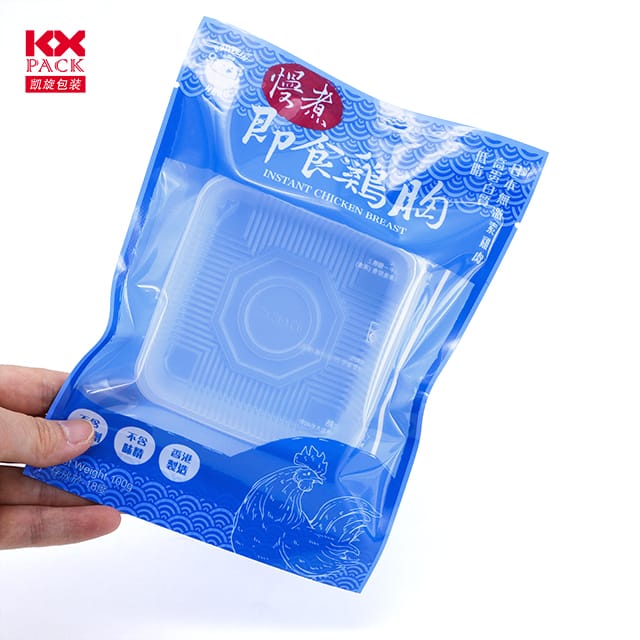
Onkraj estetike, Print Film Plastic is being engineered for specific functionalities. Heat-sealable layers ensure leak-proof packaging, while high-clarity films allow consumers to view products without opening the package. Some films even incorporate antimicrobial properties or UV protection to extend shelf life.
Global Trends Shaping the Industry
- E-commerce Boom: With online retail surging, especially in regions like Asia-Pacific and Latin America, there’s a growing demand for lightweight, vzdržljiv, and visually appealing packaging. Flexible PVC films, known for their transparency and flexibility, are widely used in decorative films, pisalne potrebščine, and even construction applications.
- Skladnost s predpisi: Stringent food safety regulations, such as those in the EU and USA, drive the adoption of high-barrier films that prevent moisture, kisik, and light penetration, ohranjanje svežine izdelka.
- Pobude krožnega gospodarstva: Brands are under pressure to reduce waste, leading to innovations like monomaterial films that are easier to recycle and companies offering take-back programs for used packaging.
Izzivi in priložnosti
Kljub svojim prednostim, Print Film Plastic faces challenges, vključno:
- Material Limitations: Some films are prone to scratching or fading when exposed to extreme temperatures or UV light.
- Recyclability Issues: While many films are theoretically recyclable, contamination during collection and sorting often hinders their reuse.
Vendar, these challenges also present opportunities. Researchers at Zhejiang University, na primer, have developed a photoclickable, thermally reversible material for 3D printing that allows for infinite recycling without compromising performance—a breakthrough that could revolutionize not just 3D printing but also the sustainability of plastic films.
Zaključek
Print Film Plastic is more than just a packaging material; it’s a catalyst for innovation in a world that demands both functionality and responsibility. As manufacturers continue to push the boundaries of material science, printing technology, in trajnost, the future of Print Film Plastic looks promising. Whether it’s a vibrant tomato sauce pouch or a sleek e-commerce package, this versatile material is reshaping how we interact with products every day.
Za podjetja, ki želijo ostati naprej, partnering with forward-thinking suppliers like Guangdong Danqing or Tianjin Shuntian can unlock new possibilities in customization, učinkovitost, in trajnost. The journey toward a greener, more efficient packaging ecosystem begins with the choices we make today—and Print Film Plastic is leading the way.