Razvoj in vpliv plastične folije za embalažo: Uravnoteženje inovacij in trajnosti
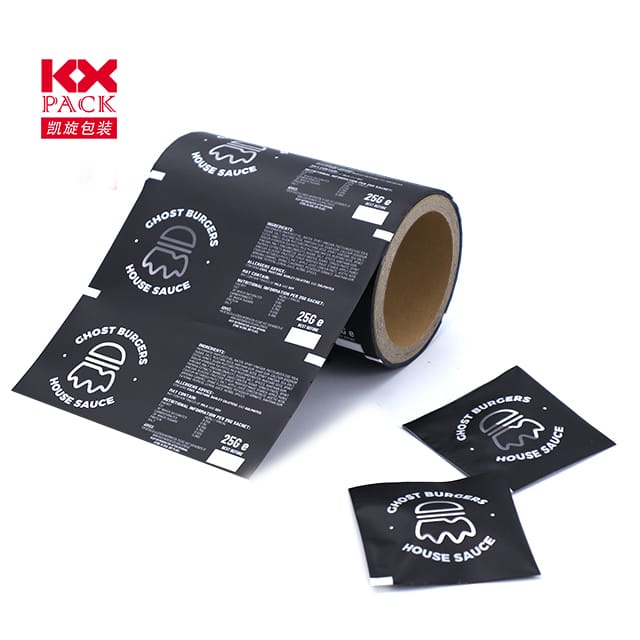
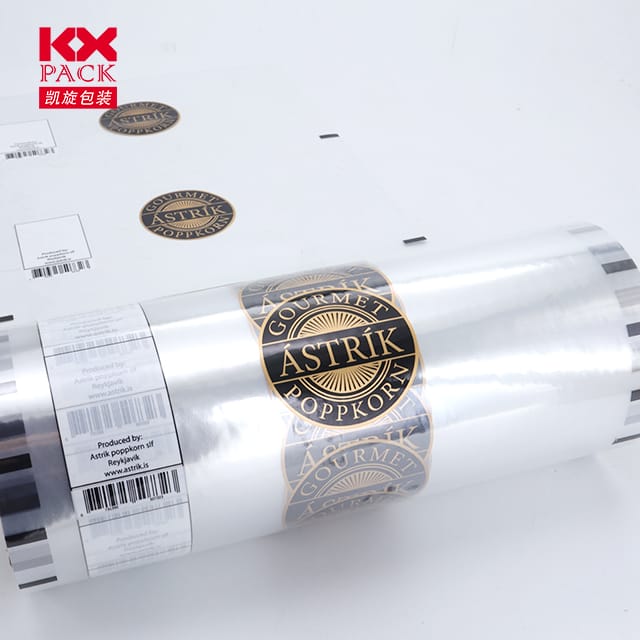
Plastični film za embalažo
In today’s fast-paced consumer world, Plastični film za embalažo stands as an unsung hero, tiho omogoča učinkovito shranjevanje, prevoz, in ohranjanje neštetih izdelkov. Od svežih izdelkov do elektronike, ta vsestranski material je revolucioniral dobavne verige in podaljšal življenjsko dobo izdelkov. Še, its ubiquity also raises critical questions about environmental impact and the urgent need for sustainable alternatives. Let’s unpack the role of plastic film in packaging, its benefits, izzivi, and the path forward.
Why Plastic Film Dominates Packaging
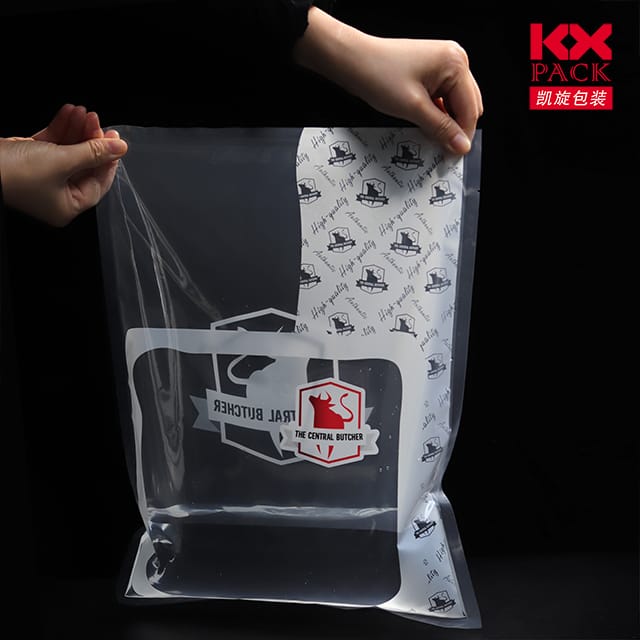
Plastični film za embalažo, običajno iz polietilena (PE), polipropilen (PP), ali polivinilklorida (PVC), is favored for its:
- Lightweight Durability: Protects products from moisture, prah, and physical damage without adding excess weight.
- Stroškovno učinkovitost: Lower production and transportation costs compared to alternatives like glass or metal.
- Flexibility: Easily molded to fit diverse product shapes, from irregular food items to delicate electronics.
- Barierne lastnosti: Customizable to control oxygen, svetloba, and odor transmission, ohranjanje svežine izdelka.
These traits make it indispensable for industries like food and beverage, Farmacevtski izdelki, and e-commerce. Na primer, modified atmosphere packaging (Zemljevid) uses plastic films to extend the shelf life of perishables like meat and vegetables by weeks, reducing food waste—a significant environmental concern in itself.
The Environmental Paradox
Kljub svojim prednostim, Plastični film za embalažo contributes to a growing global crisis:
- Single-Use Culture: An estimated 40% of all plastic produced is for packaging, much of it discarded after a single use.
- Pollution: Improper disposal leads to plastic waste in oceans, landfills, in ekosistemi, where it can take centuries to decompose.
- Microplastics: Fragmented Plastični film za embalažo break down into microplastics, infiltrating water supplies, soil, and even the human food chain.
The challenge lies in reconciling plastic film’s functional benefits with its ecological footprint.
Inovacije, ki poganjajo trajnost
The packaging industry is responding with cutting-edge solutions:
- Biorazgradljive in kompostne folije:
- Materials like polylactic acid (PLA), derived from renewable resources (Npr., corn starch), decompose in industrial composting facilities.
- Starch-based blends and algae-derived films are emerging as eco-friendly alternatives.
- Recyclable and Recycled Content:
- Advances in chemical recycling are turning post-consumer plastic waste into high-quality films.
- Mono-material Plastični film za embalažo (Npr., vrečke za vse pete) simplifies recycling processes.
- Embalažni sistemi za večkratno uporabo:
- Brands are experimenting with returnable, refillable containers paired with durable plastic liners.
- Closed-loop systems minimize waste by reusing packaging across supply chains.
- Edible and Water-Soluble Films:
- Innovations like seaweed-based casings for food or dissolvable laundry detergent pods reduce reliance on traditional plastics.
The Role of Consumers and Policy
Sustainability isn’t just an industry responsibility. Consumers can drive change by:
- Supporting brands that prioritize recyclable or compostable packaging.
- Advocating for improved recycling infrastructure and clearer labeling.
- Reusing plastic films (Npr., for food storage) where possible.
Governments and regulators also play a pivotal role. Policies like extended producer responsibility (EPR) laws, plastic taxes, and bans on single-use plastics are accelerating the transition to greener alternatives.
Pogled naprej: A Circular Future
The ideal scenario is akrožno gospodarstvo for plastic film packaging, where materials are designed for reuse, recikliranje, or safe composting. This requires:
- Collaboration across industries to standardize recycling processes.
- Investment in R&D to scale sustainable materials without compromising performance.
- Consumer education to shift behaviors toward waste reduction.
Zaključek
Plastic film for packaging is a double-edged sword: a marvel of modern engineering that has transformed global trade but also a symbol of humanity’s overreliance on fossil fuels and disposable culture. The path forward demands innovation, accountability, and a collective reimagining of how we produce, uporaba, and discard packaging. By embracing sustainable alternatives and advocating for systemic change, we can ensure that plastic film’s legacy is one of progress—not pollution.
What’s your take on plastic packaging? Share your thoughts or sustainable swaps you’ve made in the comments below! 🌍♻️