Dvorezni meč plastičnega filma: Inovacije, Udobje, in iskanje trajnosti
Plastični film
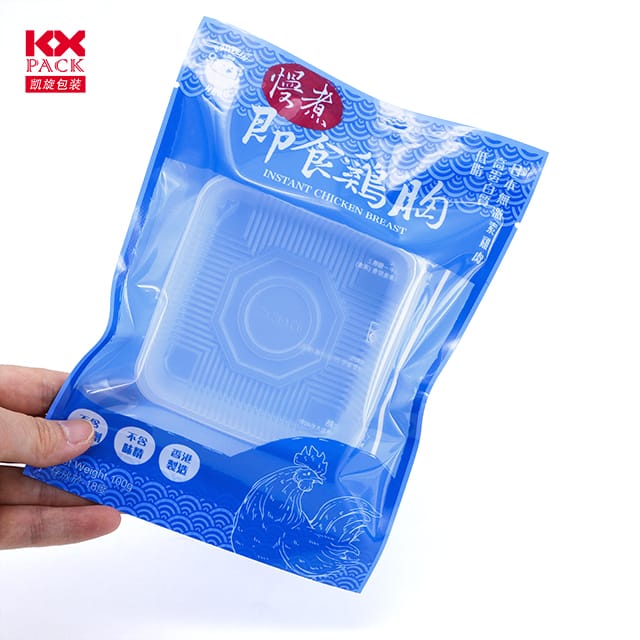
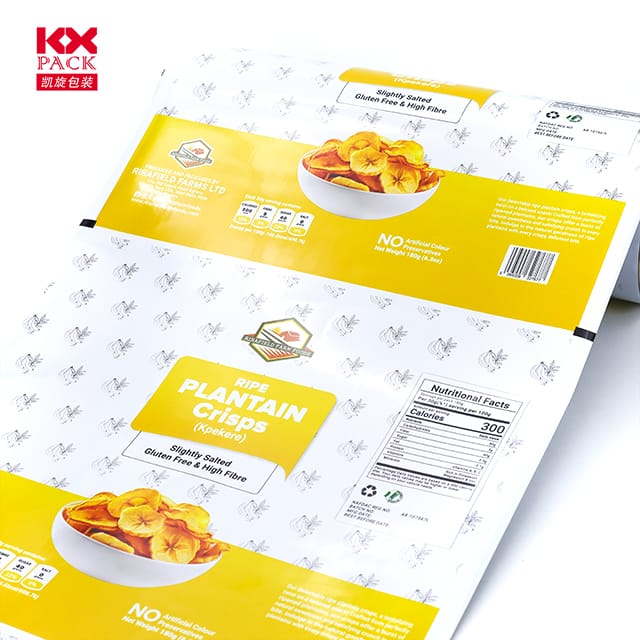
Plastic film—a thin, Prilagodljiv material, ki se uporablja v vsem, od embalaže s hrano do kmetijskih oblog - postanejo nepogrešljiv del sodobnega življenja. Njegova vsestranskost, cenovna dostopnost, in funkcionalne koristi so revolucionirale panoge, Kljub temu je njegov okoljski odtis sprožil globalne razprave. Razpakiramo svet plastičnega filma, Raziskovanje njegovih aplikacij, izzivi, and the innovative solutions emerging to balance convenience with sustainability.
Plastični film: The Unsung Hero of Everyday Life
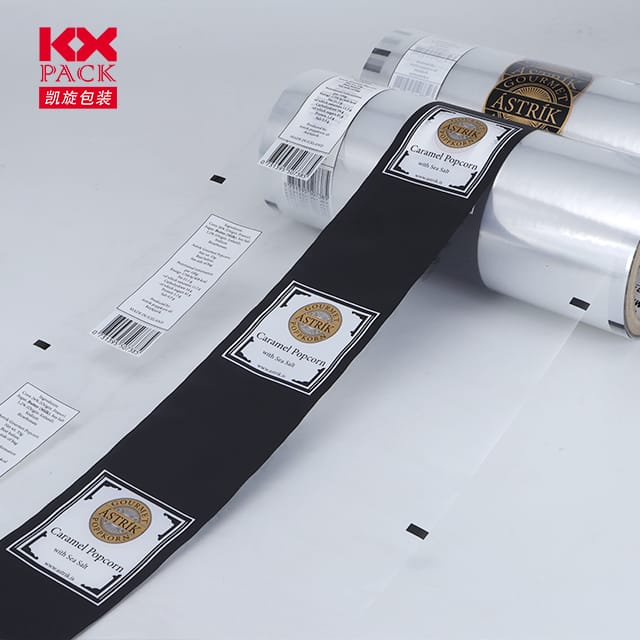
Platic fim, običajno iz polietilena (PE), polipropilen (PP), or PVC, is ubiquitous yet often overlooked. Its key advantages include:
- Lahka & Trpežna: Protects products from moisture, contaminants, in telesne poškodbe.
- Stroškovno učinkovito: Enables mass production and efficient distribution.
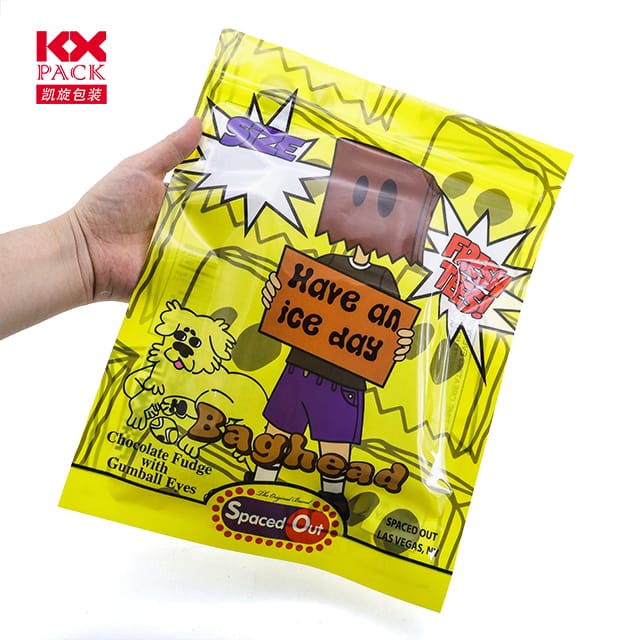
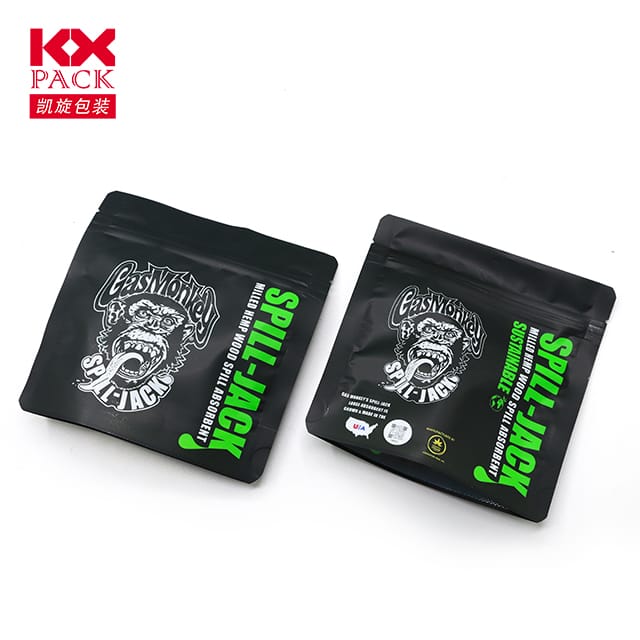
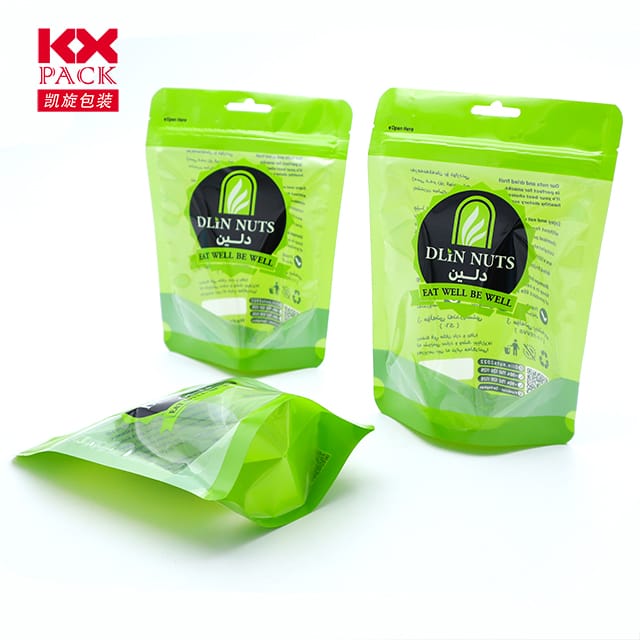
- Vsestranski: Used in packaging (Npr., cling wrap, Vrečke za prigrizke), kmetijstvo (mulch films, greenhouses), gradbeništvo (vapor barriers), in zdravstvo (sterile wraps).
Na primer, in agriculture, platic mulch films boost crop yields by retaining soil moisture and suppressing weeds. In food packaging, they extend shelf life, reducing food waste—a critical benefit in a world where 30% of global food production is lost annually.
Okoljska uganka
Kljub svoji uporabnosti, platic film poses significant ecological challenges:
- Single-Use Dominance: A staggering 40% of plastic produced globally is single-use, with much of it ending up in landfills or oceans.
- Recikliranje ovir: Plastic film is notoriously difficult to recycle due to contamination, thinness, and mixed materials (Npr., nalepke, adhesives). Many recycling programs reject it, leading to low recycling rates (~5–15% in the U.S.).
- Microplastic Pollution: Over time, plastic film degrades into microplastics, infiltrating ecosystems, water supplies, and even human bloodstreams.
Innovations Paving the Way Forward
The platic film industry is undergoing a transformation, driven by regulatory pressures, consumer demand, and technological advancements. Here’s how:
- Biorazgradljivo & Filmi za kompostiranje
- PLA (Polilaktična kislina): Pridobljeno iz obnovljivih virov, kot je koruzni škrob, PLA films decompose in industrial composting facilities.
- Starch-Based Blends: Companies like Novamont and BASF are developing films that break down in home compost or soil within months.
- Napredne tehnologije recikliranja
- Kemično recikliranje: Processes like pyrolysis break down plastic film into its molecular components, creating virgin-quality plastics.
- Mechanical Sorting: AI-powered robots and optical sensors improve sorting efficiency at recycling plants, separating clean plastic film from contaminants.
- Za večkratno uporabo & Thicker Designs
- Brands like Loop and TerraCycle are pioneering reusable packaging systems, where plastic film containers are collected, očiščen, in ponovno napolnjena.
- Debelejši, multi-layer films (Npr., for meat packaging) are being redesigned to be more easily recyclable while maintaining barrier properties.
- Pobude krožnega gospodarstva
- Razširjena odgovornost proizvajalca (EPR) laws in the EU and U.S. hold manufacturers accountable for the end-of-life management of their plastic films.
- Companies like Dow and Amcor are investing in closed-loop systems, where plastic film is collected, recikliran, and remade into new products.
The Role of Consumers and Businesses
Addressing the platic film crisis requires collective action:
- Potrošniki: Opt for reusable containers, support brands using recycled content, and properly dispose of plastic film in designated recycling bins (if accepted locally).
- Businesses: Invest in sustainable packaging, collaborate with recycling partners, and advocate for policy changes (Npr., bans on non-recyclable films).
- Governments: Enforce stricter regulations on single-use plastics, subsidize recycling infrastructure, and incentivize R&D in biodegradable materials.
Pogled naprej: A Future Without Compromise
The ideal solution isn’t to abandon platic film entirely but to reimagine it. Imagine a world where:
- Agricultural films dissolve harmlessly into the soil after harvest.
- Food packaging is edible or compostable, eliminating waste.
- Recycling becomes as seamless as tossing a bottle into a bin—thanks to smart labels and universal collection systems.
Innovations like seaweed-based films (Npr., Notpla) and mushroom-derived packaging hint at this future. While challenges remain, the momentum toward sustainability is unstoppable.
Zaključek: Rethinking the Role of Plastic Film
Plastic film is a testament to human ingenuity—a material that has fed billions, protected goods, and advanced industries. Yet its environmental toll demands urgent action. By embracing biodegradable alternatives, scaling recycling, and fostering a circular economy, we can ensure that plastic film’s legacy is one of progress, not pollution.
What steps are you taking to reduce plastic film waste? Share your ideas in the comments—let’s inspire change together! 🌍💡
Ključne besede: plastic film, trajnost, biorazgradljiva embalaža, recikliranje, krožno gospodarstvo