Prilagodljiva plastična filmska embalaža: Prihodnost Smart, Trajnostno, in vsestranska embalaža
Prilagodljiva plastična filmska embalaža
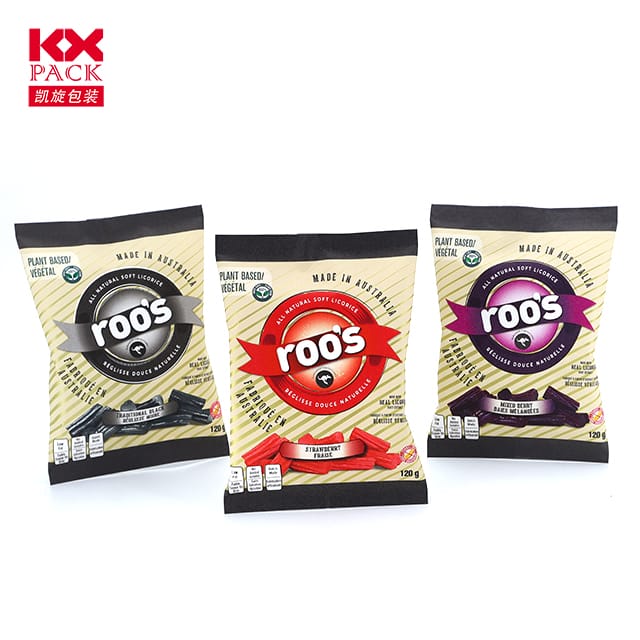
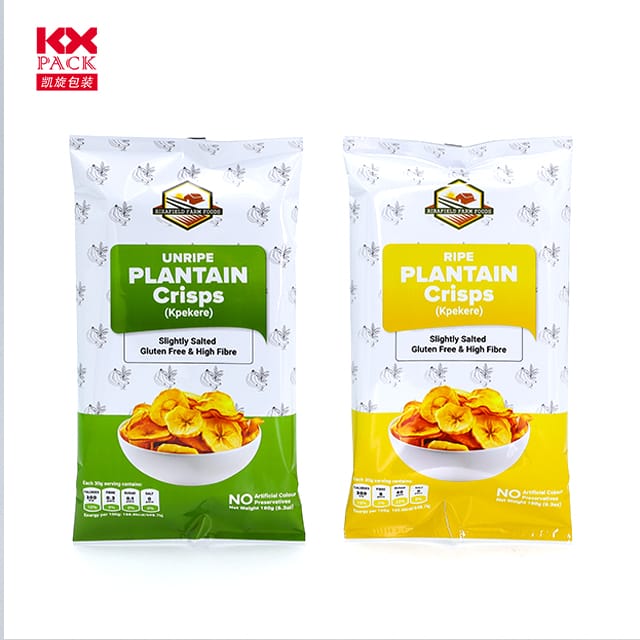
In a world where convenience, trajnost, in razlikovanje blagovne znamke sta najpomembnejša, fleksibilna embalaža iz plastične folije has emerged as a revolutionary solution. Od hrane in farmacevtskih izdelkov do elektronike in e-trgovine, ta lahka, prilagodljiv material preoblikuje, kako so zaščiteni izdelki, predstavljeno, in zaužito. Let’s dive into why flexible plastic films are dominating the packaging industry—and how they’re evolving to meet tomorrow’s challenges.
Why Flexible Plastic Film Packaging? The Core Advantages
1. Unmatched Versatility
Flexible plastic films—such asBOPP (Biaksično usmerjen polipropilen), HIŠNE ŽIVALI (Polietilen tereftalat), and PE (Polietilen)—can be engineered to meet diverse needs:
- Barrier Protection: Multi-layer films block oxygen, vlage, and UV light, extending shelf life by up to 50% for perishables like snacks and coffee.
- Formability: Thermoformable films mold precisely around products, reducing material waste compared to rigid packaging.
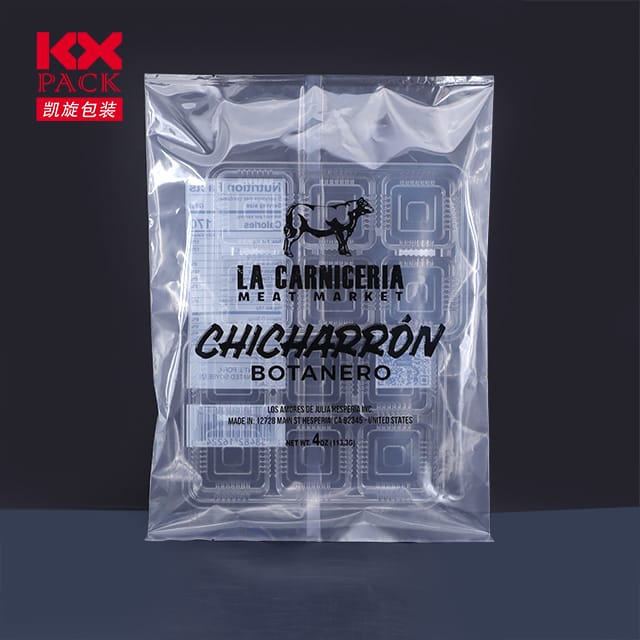
- Preglednost & Printability: Prozorne folije predstavljajo izdelke, while high-definition printing options (Npr., fleksografija, digitalni, or gravure) enable vibrant branding without labels.
2. Sustainability in Focus
Globalni Prilagodljiva plastična filmska embalaža market, ovrednoteno na $341.6 milijarde z 2028, is driven by eco-conscious innovations:
- Filmi, ki jih je mogoče reciklirati: Enomaterialne strukture (Npr., vrečke za vse pete) are easier to recycle than traditional multi-layer laminates.
- Možnosti biološko razgradljivosti: Filmi, narejeni iz PLA (Polilaktična kislina) oz PHA (Polihidroksialkanoati) decompose within 6–18 months under industrial composting.
- Lahka: Flexible films use 70% less plastic than rigid alternatives, cutting transportation emissions and material costs.
3. Stroškovno učinkovitost & Razširljivost
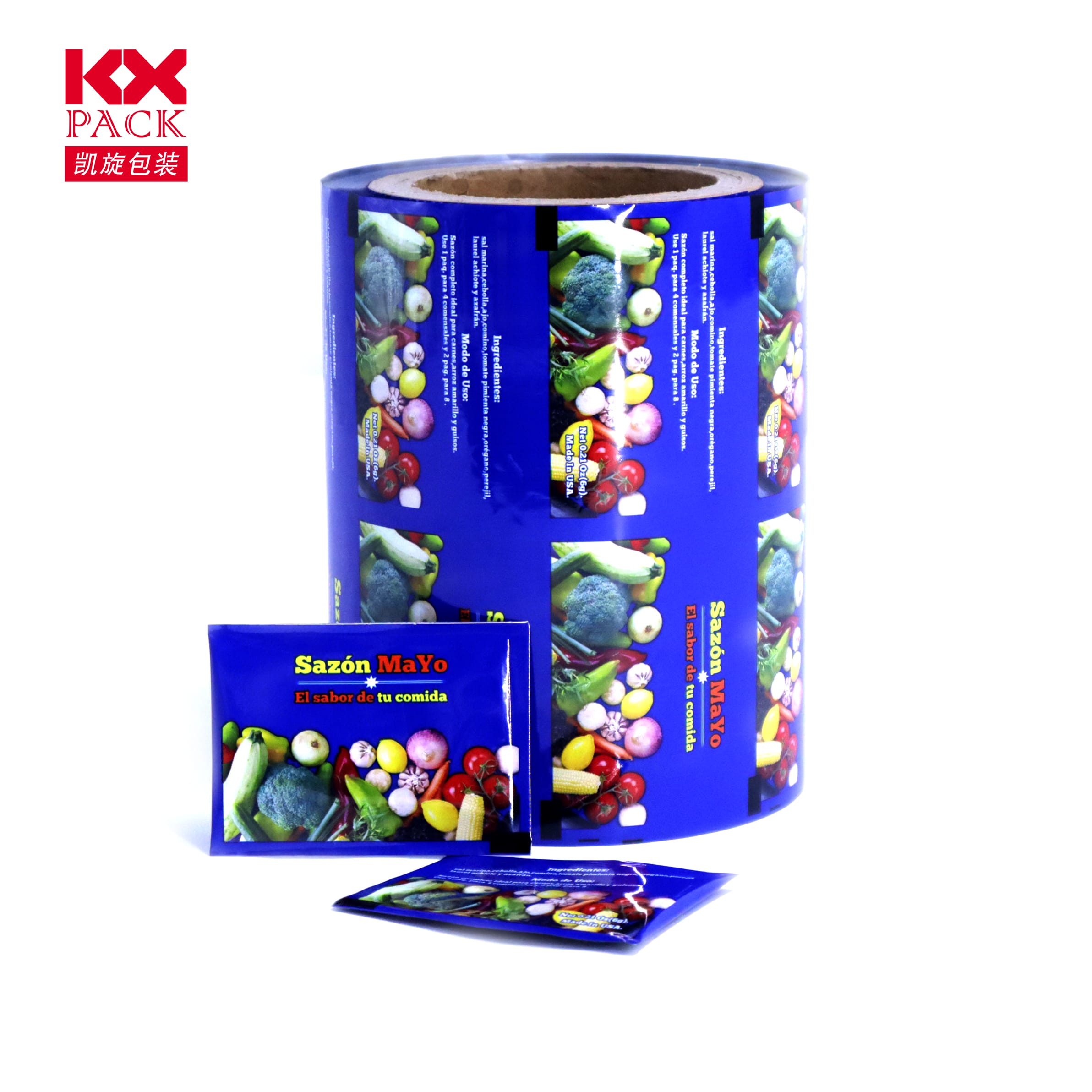
- Production Speed: High-speed flexographic printing (do 1,500 feet per minute) makes flexible films ideal for mass-market brands.
- Reduced Storage Costs: Rolls of film occupy 80% less space than pre-formed containers, optimizing warehouse efficiency.
- On-Demand Customization: Digital printing enables small-batch runs with zero setup costs, perfect for niche products or seasonal campaigns.
Key Applications Across Industries
1. hrana & Pijača
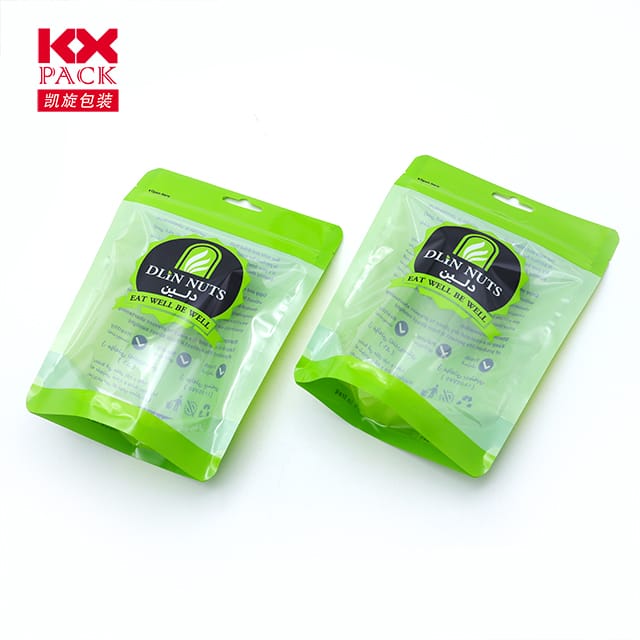
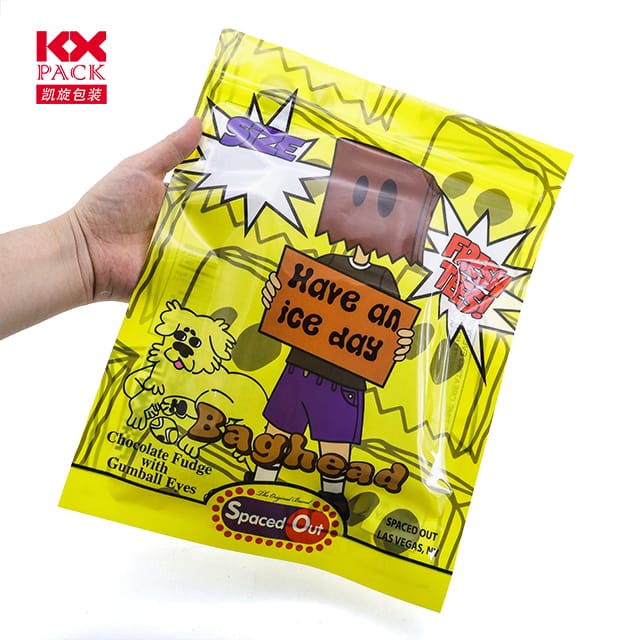
- Torbe za stand-up: Replacing cans and jars for soups, oreški, and pet food, these pouches use 60% manj materiala and feature resealable zippers.
- Modified Atmosphere Packaging (Zemljevid): Films with oxygen scavengers preserve freshness for meats and produce.
- Retort Pouches: Sterilizable films withstand high temperatures, ensuring safety for ready-to-eat meals.
2. Farmacevtski izdelki & Zdravstveno varstvo
- Child-Resistant Pouches: Prilagodljiva plastična filmska embalaža with tamper-evident seals meet safety regulations for medications.
- Cold-Form Blister Packs: Aluminum-laminated films protect light-sensitive drugs from degradation.
3. E-trgovina & Logistika
- Air Cushion Films: Inflatable plastic films replace Styrofoam peanuts, reducing shipping damage by 90%.
- Antistatične folije: Safeguard electronics from electrostatic discharge during transit.
Technological Innovations Driving the Market
1. Integracija pametne embalaže
- NFC Tags & QR Codes: Embedded in films, these enable consumers to scan for product authenticity, recycling instructions, or promotional content.
- Time-Temperature Indicators (TTIs): Color-changing labels on perishable goods alert retailers to spoilage risks.
2. Advanced Manufacturing Techniques
- Nano premazi: Ultra-thin layers enhance barrier properties without adding weight.
- Laser Scoring: Precision cuts allow easy opening while maintaining package integrity during shipping.
3. Circular Economy Solutions
- Kemično recikliranje: Breaks down mixed plastics into reusable monomers, enabling infinite recycling loops.
- Upcycling Initiatives: Podjetja všeč Dow in Amcor are converting post-consumer films into new Prilagodljiva plastična filmska embalaža materialov.
Izzivi & Future Trends
1. Vrzeli v infrastrukturi recikliranja
Samo14% of flexible packaging is recycled globally, largely due to contamination and lack of collection systems. Solutions include:
- Standardized Labeling: Clear recycling instructions to educate consumers.
- Deposit Return Schemes (DRS): Incentivizing returns of used films.
2. Regulatorni pritiski
Governments are imposing stricter rules on single-use plastics. Na primer, theDirektiva EU o plastiki za enkratno uporabo bans non-recyclable films by 2030.
3. The Rise of Bio-Based Alternatives
By 2030,30% of flexible films are expected to be plant-derived, reducing reliance on fossil fuels.
Zaključek: Flexibility Is the Future
Flexible plastic film packaging isn’t just a trend—it’s a strategic imperative for brands aiming to balance performance, trajnost, and cost. As innovations likesmart sensors, compostable materials, and closed-loop recycling gain traction, the possibilities are endless.
Za podjetja: Embrace flexibility by partnering with suppliers who prioritize circular design and transparent sustainability reporting.
Za potrošnike: Look for brands using recyclable or compostable films, and recycle properly to close the loop.
The packaging revolution is here—and it’s flexible. 🌱✨
What’s your favorite example of innovative flexible packaging? Delite svoje misli spodaj!