Эволюция и влияние гибких пленок упаковки: Устойчивая революция (6)
Гибкие фильмы
In an era where sustainability, удобство, и инновационные решения для упаковки, flexible films packaging has emerged as a cornerstone of modern industry. From food and pharmaceuticals to consumer electronics, these adaptable materials are reshaping how products are protected, транспортируется, и представил. Let’s explore the dynamics, тенденции, and future potential of this dynamic sector.
What Are Flexible Films Packaging?
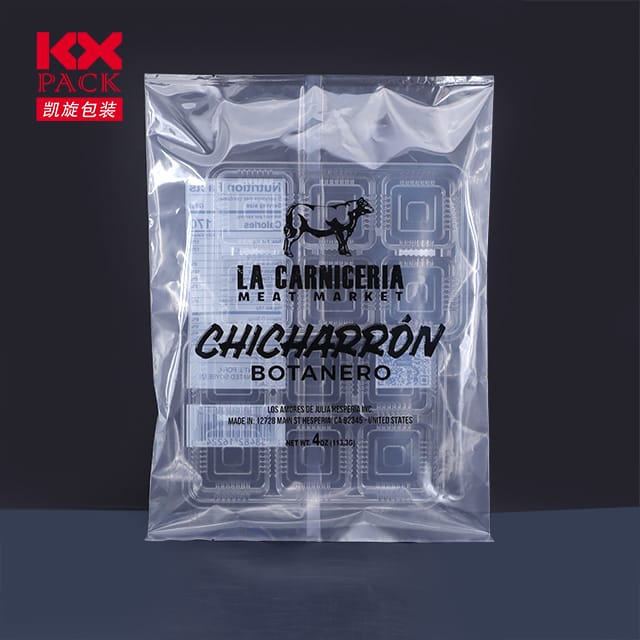
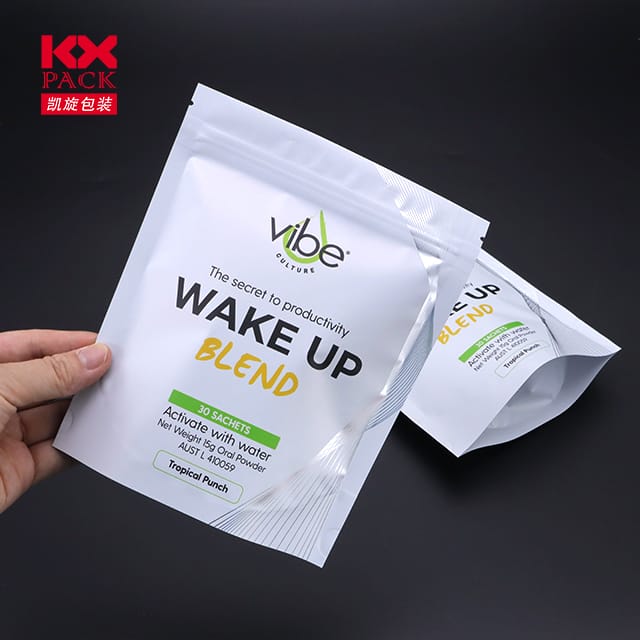
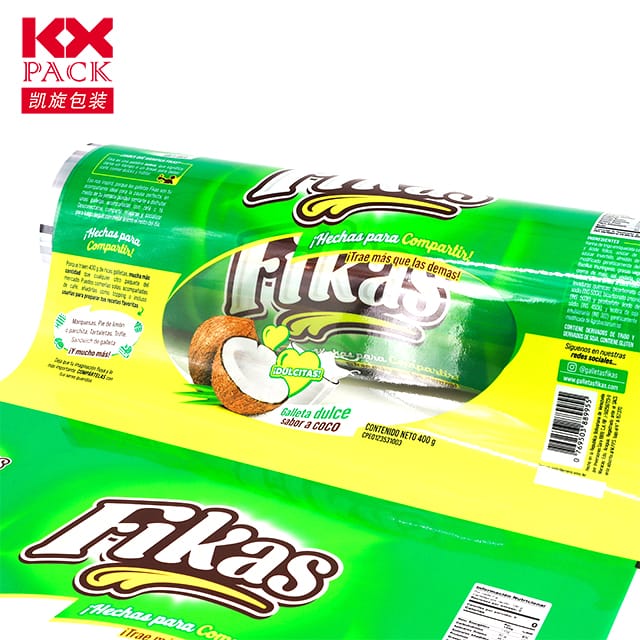
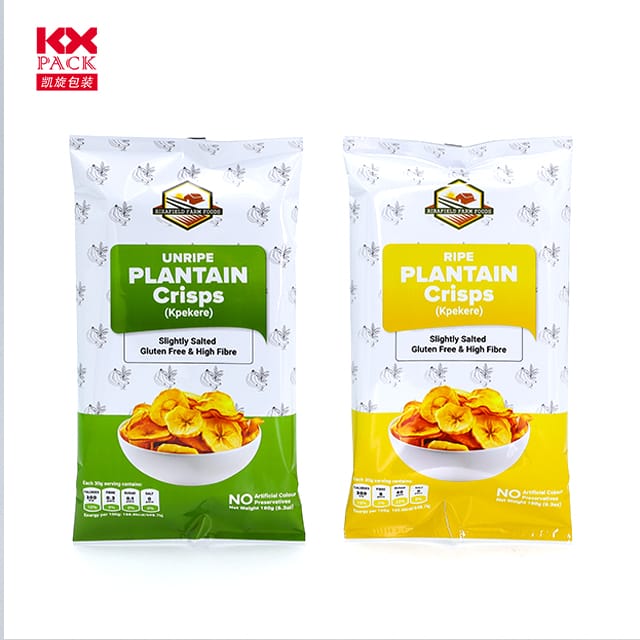
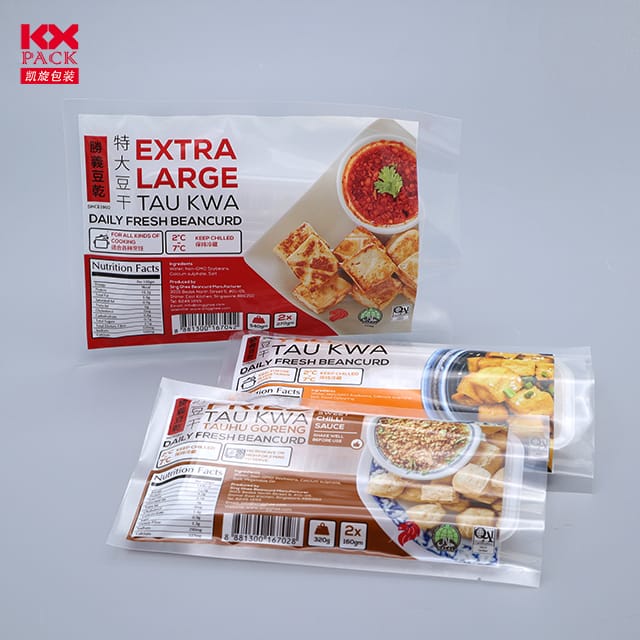
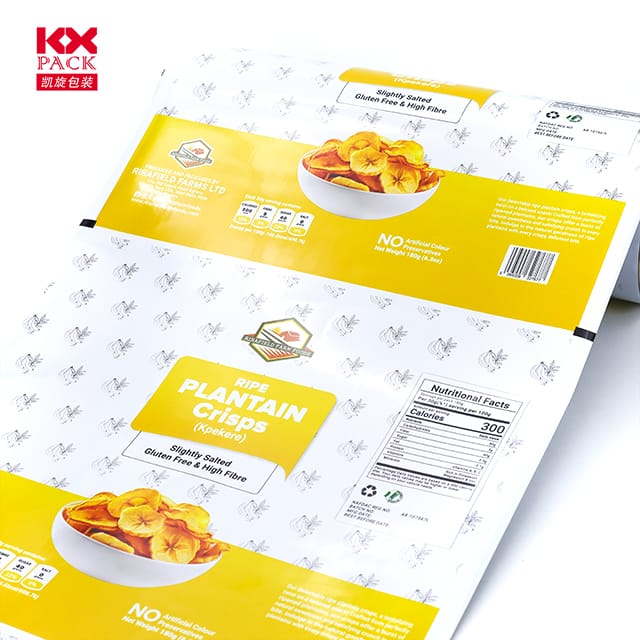
Flexible films packaging refers to lightweight, non-rigid materials used to encase products. Unlike traditional rigid containers, these films—often composed of polymers like polyethylene (ЧП), полипропилен (ПП), or multi-layer composites—conform to the shape of their contents, minimizing waste and optimizing space.
Ключевые характеристики включают в себя:
- Легкий вес & Долговечный: Reduces shipping costs and carbon footprints.
- Барьерные свойства: Защищает от влаги, кислород, и свет, Расширение срока годности.
- Customizability: Для печати, sealable, and adaptable to diverse formats (мешочки, сумки, wraps).
Рост рынка & Key Drivers
The global flexible packaging market was valued atдоллар США 210.62 миллиард в 2023 и, по прогнозам, достигнетдоллар США 238.91 миллиард на 2029, Растет в CAGR2.12%. Ключевые драйверы включают в себя:
- Shift from Rigid to Flexible Solutions: Brands prioritize cost-efficiency and sustainability, favoring flexible films over heavier, less eco-friendly alternatives.
- Бум электронной коммерции: Online retail demands lightweight, damage-resistant packaging for safe deliveries.
- Здравоохранение & Food Demand: Pharmaceuticals and perishable goods require sterile, airtight packaging, fueling innovation in high-barrier films.
Innovations in Material Science
Recent advancements in flexible film technology focus onsustainability and performance:
- Mono-Material Structures: Компании, как Huhtamaki are pioneering single-polymer films (НАПРИМЕР., ПЭ или ПП) to simplify recycling.
- Биоразлагаемые пленки: Made from renewable resources (НАПРИМЕР., Плата), these reduce plastic waste.
- High-Barrier Coatings: Advanced polymers like поливинилиденхлорид (PVDC) or ethylene vinyl alcohol (ЭВОН) enhance shelf life without compromising recyclability.
Regional Dynamics
Asia-Pacific dominates the market, учет58% of global volume in 2023, управляется:
- Rapid Urbanization: Rising middle-class populations in China and India boost demand for packaged goods.
- E-commerce Expansion: Online shopping platforms like Alibaba and Flipkart rely on flexible films for efficient logistics.
- Регулирующий толчок: Governments mandate eco-friendly packaging, accelerating adoption of recyclable/compostable films.
Проблемы & Перспективы на будущее
Despite growth, the sector faces hurdles:
- Сложность переработки: Multi-layer films are hard to separate, complicating circular economy efforts.
- Raw Material Volatility: Fluctuating polymer prices impact margins.
Однако, the future looks promising:
- Умная упаковка: Films embedded with sensors for freshness tracking or anti-counterfeiting.
- Круглый дизайн: Modular, reusable packaging systems that minimize waste.
- Collaborative Innovation: Partnerships between material scientists, brands, and recyclers to close the loop.
Заключение
Flexible films packaging is more than a convenience—it’s a strategic imperative for a sustainable future. As brands and consumers demand smarter, greener solutions, this sector will continue to evolve, blending cutting-edge science with practical design. The road ahead? A balance of innovation, responsibility, and adaptability to meet the needs of a changing world.
Stay tuned for more insights on packaging trends—where science meets sustainability! 🌍📦✨
Источники: QYResearch, MarketsandMarkets, GlobeNewswire, Packaging World