Explorând lumea filmelor de ambalare flexibile imprimate: Inovații și aplicații
Filme de ambalare flexibile tipărite
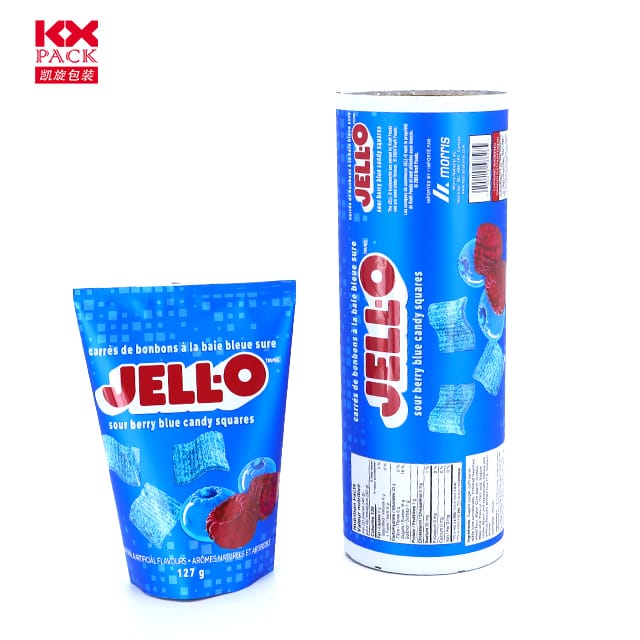
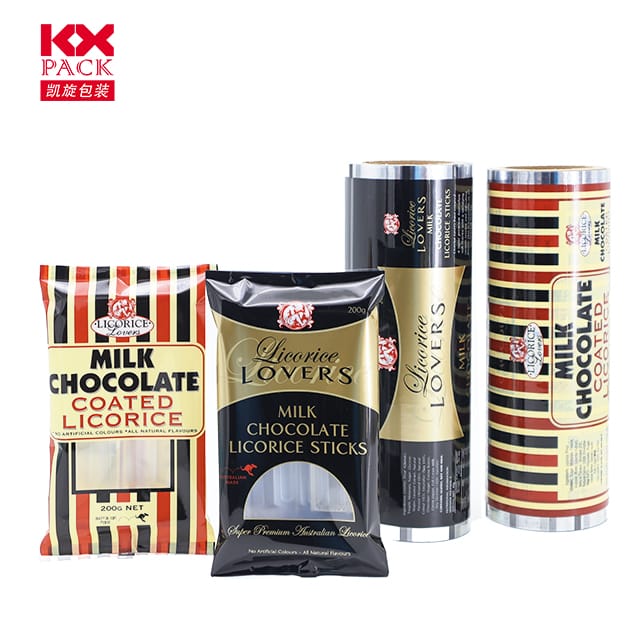
În peisajul dinamic al ambalajelor moderne, Filme de ambalare flexibile tipărite have emerged as a cornerstone of innovation, oferind o soluție versatilă și durabilă pentru o gamă largă de industrii. De la alimente și băuturi la produse farmaceutice și bunuri de larg consum, aceste filme joacă un rol crucial în protejarea produselor, sporirea vizibilității mărcii, and meeting the evolving demands of consumers and regulatory bodies.
What Are Printed Printed Flexible Packaging Films?
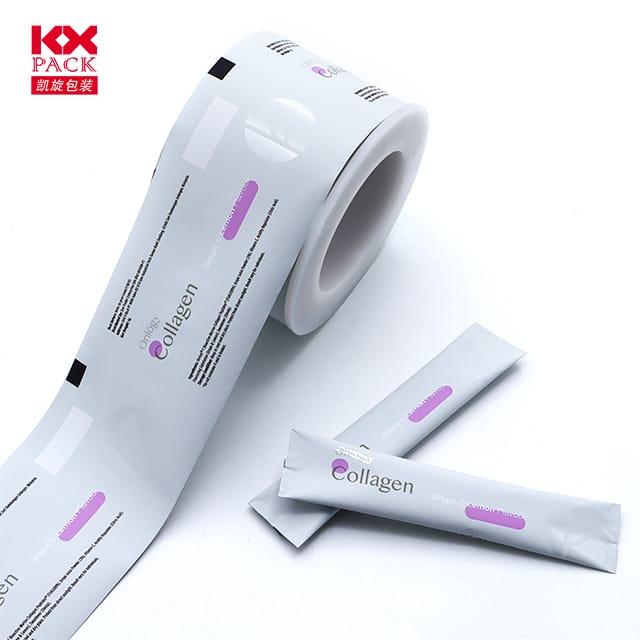
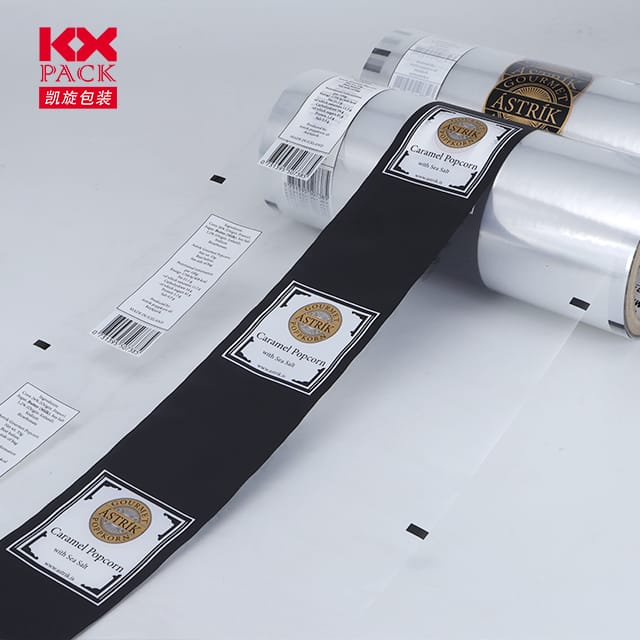
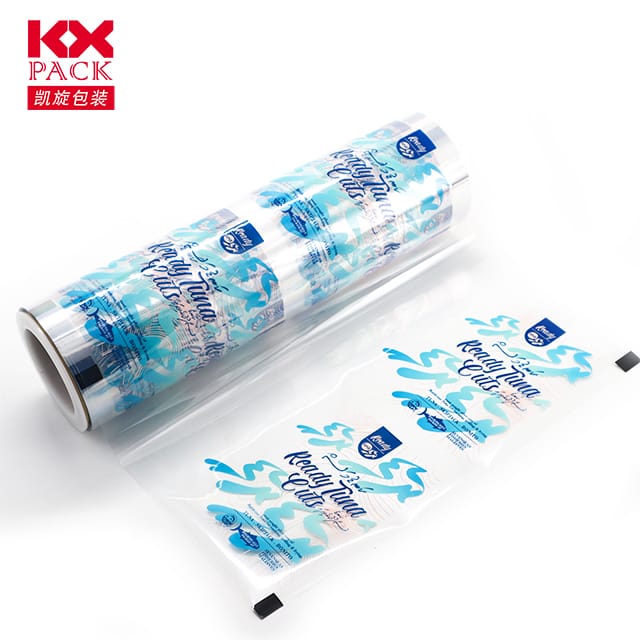
Filme de ambalare flexibile tipărite are thin, pliable materials primarily made from plastics such as polyethylene (PE), polipropilenă (PP), polietilen tereftalat (ANIMAL DE COMPANIE), and oriented polypropylene (BOPP), printre altele. These films can also incorporate metallized layers, paper substrates, or biodegradable materials like polylactic acid (PLA) and PBAT to achieve specific functionalities. What sets them apart is their ability to be printed with high-quality graphics, text, și elemente de branding, making them an ideal choice for product packaging that requires both aesthetic appeal and functional performance.
Key Features and Benefits
- Durată de valabilitate extinsă: One of the primary advantages of printed flexible packaging films is their excellent barrier properties. By incorporating layers of materials like aluminum foil or ethylene vinyl alcohol (EVOH), these films can effectively prevent the infiltration of oxygen, umiditate, and other external factors that can degrade product quality. Acest lucru este deosebit de important în industria alimentară, where maintaining freshness and flavor is paramount. De exemplu, a food packaging film with a shellac barrier coating can significantly extend the shelf life of perishable goods by protecting them from oxygen and water vapor.
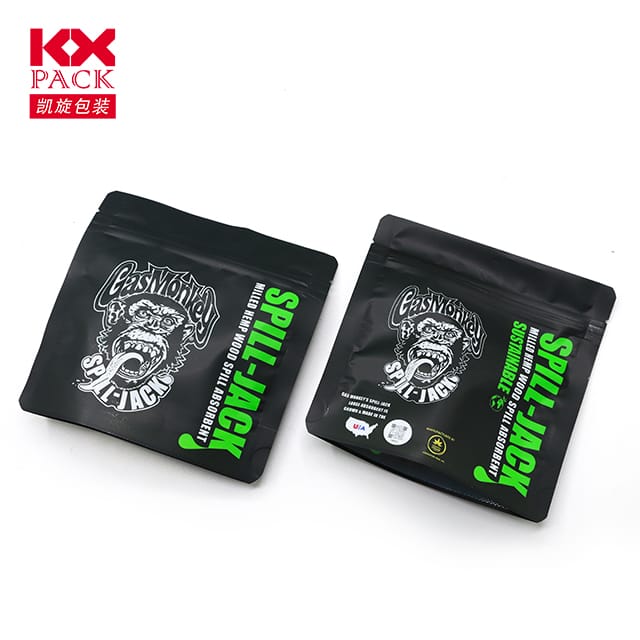
- Enhanced Branding and Marketing: Pe piața competitivă de astăzi, brand visibility is everything. Printed flexible packaging films offer businesses the opportunity to showcase their brand identity through vibrant graphics, logos, și informații despre produs. Whether it’s a stand-up pouch, a flow wrap, or a vacuum-sealed bag, these films can be customized to meet specific design requirements, helping brands stand out on the shelves and connect with consumers on a deeper level.
- Cost Efficiency and Sustainability: Compared to rigid packaging solutions like glass or metal cans, flexible packaging films are lighter and more cost-effective to produce and transport. They also require less energy during manufacturing, reducing their carbon footprint. În plus, with the rise of eco-conscious consumers, mulți producători oferă acum opțiuni biodegradabile sau reciclabile, such as films made from PLA or PBAT, which can be composted or recycled after use, minimizing waste and environmental impact.
- Comoditate și versatilitate: Flexible packaging films are designed to be user-friendly, offering features like resealable zippers, easy-open tear notches, and stand-up bases for convenient storage and dispensing. They are also highly adaptable, allowing for a variety of packaging formats, inclusiv pungi, saci, plicuri, și împachetări, making them suitable for a wide range of products and applications.
Technological Advancements in Printing and Production
The production of Filme de ambalare flexibile tipărite has witnessed significant technological advancements in recent years, driven by the need for higher quality, faster turnaround times, and greater sustainability.
- Imprimare flexografică: One of the most popular printing methods for flexible packaging, flexographic printing uses a flexible relief plate to transfer ink onto the film substrate. This technique is known for its high-speed capabilities, rentabilitate, and ability to print on a wide range of materials, including non-absorbent substrates like plastics and foils. With the development of water-based and UV-curable inks, flexographic printing has also become more environmentally friendly.
- Imprimare digitală: Digital Filme de ambalare flexibile tipărite has revolutionized the packaging industry by enabling on-demand, short-run production of customized packaging solutions. Spre deosebire de metodele tradiționale de imprimare, digital printing does not require the use of printing plates, making it faster, more flexible, and cost-effective for small to medium-sized production runs. This technology is particularly beneficial for brands looking to launch limited-edition products, personalize packaging for specific markets, or respond quickly to changing consumer trends.
- Barrier Coatings and Laminations: To enhance the functional properties of Filme de ambalare flexibile tipărite, manufacturers often apply barrier coatings or laminate multiple layers of materials together. These coatings can provide added protection against moisture, oxigen, ușoară, și alți factori externi, asigurarea integrității și siguranței produsului. De exemplu, a film with a vapor barrier coating can prevent the migration of moisture into the package, which is essential for maintaining the quality of dry goods like snacks and coffee.
- Sustainable Materials and Processes: In response to growing environmental concerns, the packaging industry is increasingly focusing on developing sustainable materials and production processes. This includes the use of biodegradable films, continut reciclat, and water-based inks, as well as the implementation of energy-efficient manufacturing practices. De exemplu, some companies are now offering films made from renewable resources like sugarcane or wood pulp, which can be composted or recycled at the end of their life cycle.
Aplicații în industrii
Printed flexible packaging films are used in a diverse range of industries, each with its own unique set of requirements and challenges.
- Alimente și băuturi: În industria alimentară, flexible packaging films are used to package a wide variety of products, including snacks, cofetărie, lactate, carne, and bakery items. These films must meet strict food safety standards and provide adequate barrier protection to extend shelf life and maintain product quality. De exemplu, a flexible film with a high-oxygen barrier can prevent the oxidation of fats and oils in snack foods, keeping them fresh and crispy for longer.
- Produse farmaceutice: Pharmaceutical packaging requires high levels of protection, sterility, și conformitatea cu standardele de reglementare. Flexible packaging films are used to package tablets, capsules, pulberi, and liquids, ensuring product integrity and patient safety. Features like child-resistant closures, sigilii anti-manipulare, and moisture-resistant barriers are essential in this industry.
- Personal Care and Cosmetics: The personal care and cosmetics industry relies on flexible packaging films to package products like shampoos, lotions, creams, and makeup. These films must be aesthetically appealing, usor de folosit, and able to protect the product from contamination and degradation. De exemplu, a stand-up pouch with a resealable zipper can provide convenient dispensing and storage for liquid soaps and lotions.
- Bunuri de consum: Flexible packaging films are also used to package a wide range of consumer goods, including household cleaners, hrana pentru animale de companie, gardening products, and automotive supplies. These films must be durable, rentabil, and able to withstand the rigors of transportation and storage. De exemplu, a heavy-duty bag made from a high-strength film can protect pet food from moisture and pests, ensuring its freshness and safety.
Future Trends and Innovations
Pe măsură ce industria ambalajelor continuă să evolueze, several trends and innovations are shaping the future of printed flexible packaging films.
- Ambalaje inteligente: The integration of smart technologies like RFID tags, sensors, and QR codes into flexible packaging films is enabling new levels of traceability, authenticity, și implicarea consumatorilor. De exemplu, a time-temperature indicator (TTI) can be printed onto a food package to monitor the product’s temperature history and alert consumers if it has been exposed to unsafe conditions.
- Ambalaj activ: Active packaging films are designed to interact with the product or its environment to extend shelf life, improve quality, or enhance safety. De exemplu, a film with antimicrobial properties can inhibit the growth of bacteria and fungi, reducing the risk of food spoilage and contamination.
- 3D Imprimare: 3D printing technology is being explored for the production of customized flexible packaging solutions, offering greater design flexibility and the ability to create complex geometries that are not possible with traditional manufacturing methods. This technology has the potential to revolutionize the packaging industry by enabling on-demand production of personalized packaging for niche markets.
- Inițiative de economie circulară: As the world moves towards a more circular economy, the packaging industry is focusing on developing materials and processes that promote recycling, reuse, and composting. This includes the use of monomaterials, which are easier to recycle, and the development of chemical recycling technologies that can break down plastics into their original building blocks for reuse.
Concluzie
Printed flexible packaging films are a testament to the innovation and adaptability of the packaging industry. With their ability to combine functionality, estetică, și durabilitate, these films are transforming the way products are packaged, distribuite, și consumat. As technology continues to advance and consumer demands evolve, the future of printed flexible packaging films looks bright, with endless possibilities for new applications, materiale, and innovations. Indiferent dacă sunteți producător de produse alimentare, o companie farmaceutică, or a consumer goods brand, embracing the potential of printed flexible packaging films can help you stay ahead of the curve and meet the needs of today’s dynamic market.