Film de ambalare din plastic: Eroul necunoscut al comodității – și dilema sa de mediu
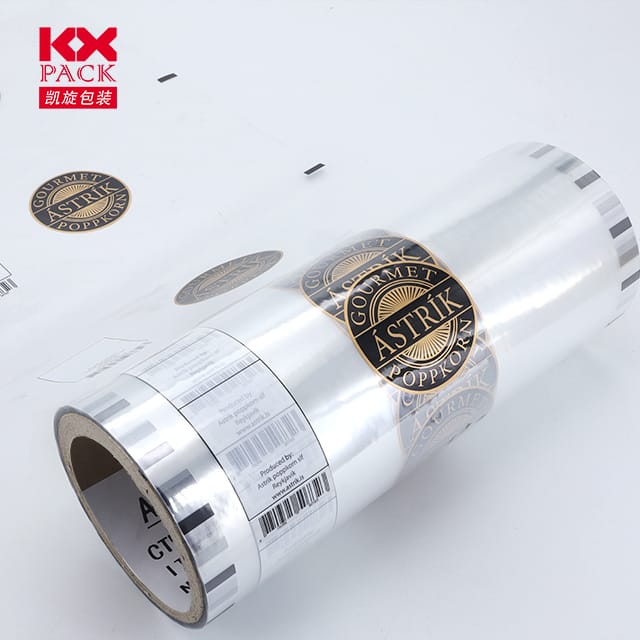
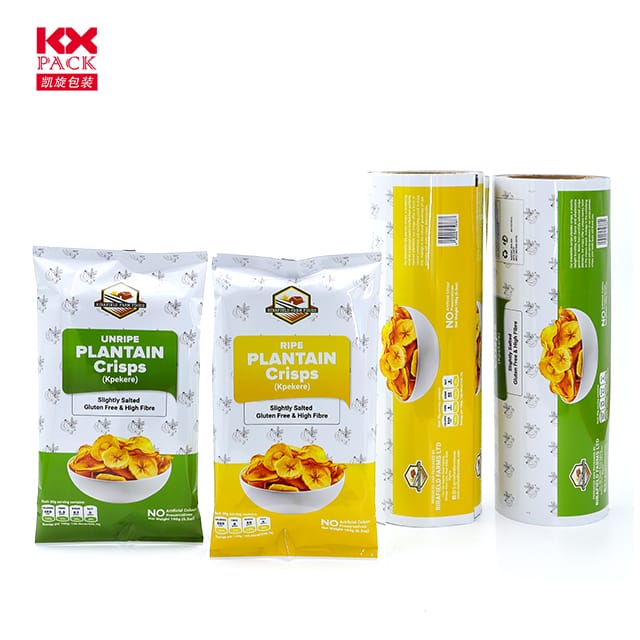
Film de ambalare din plastic
From wrapping leftovers to sealing pallets for shipment, folie de ambalare din plastic (Adesea numit Cling Film, împachetări întinse, sau saran înveliș) este un instrument omniprezent, dar subapreciat în viața modernă. Este transparent, flexibil, iar proprietatile adezive il fac indispensabil in bucatarii, depozite, și supermarketuri din întreaga lume. Dar pe măsură ce preocupările legate de poluarea cu plastic cresc, this handy material faces scrutiny over its environmental impact. Let’s explore its role, inovații, and sustainable alternatives.
The Many Faces of Plastic Wrapping Film
Plastic wrapping film comes in various forms, fiecare adaptat nevoilor specifice:
- Food Wrap: Made from polyethylene (PE) sau clorură de poliviniliden (PVDC), asta subtire, stretchy film clings to surfaces, preserving freshness and preventing spills.
- Stretch Wrap: Used in logistics, this thicker, more elastic film secures boxes on pallets during transportation, protecting goods from damage and tampering.
- Shrink Wrap: Heated to shrink tightly around products, this film is popular for packaging bottles, conserve, and even electronics.
Its versatility stems from its chemistry: most films are derived from petroleum-based polymers, which are lightweight, impermeabil, and cost-effective to produce.
Why We Love It: The Benefits of Plastic Wrap
- Conservarea alimentelor: Prin crearea unui sigiliu etanș, plastic film extends the shelf life of perishables, reducing food waste—a critical issue given that 1.3 billion tons of food are discarded globally each year.
- Igienă și siguranță: In hospitals and restaurants, sterile plastic wraps protect medical equipment and ready-to-eat meals from contamination.
- Logistics Efficiency: Stretch wrap keeps pallets stable during transit, minimizing product damage and ensuring safe delivery.
- Eficiența costurilor: At just a few cents per meter, plastic film is cheaper than reusable alternatives like glass or silicone containers for short-term storage.
Partea întunecată: Preocupări de mediu
În ciuda avantajelor sale, plastic wrapping film poses significant ecological challenges:
- Dominanță de unică folosință: Most food wrap is designed for one-time use, contributing to the 380 million tons of plastic waste generated annually.
- Non-biodegradabilitate: Traditional plastic films persist in landfills for centuries, breaking into microplastics that contaminate soil and waterways.
- Bariere de reciclare: Subțire și adesea contaminată cu reziduuri alimentare, foliile de plastic sunt rareori acceptate de programele de reciclare. Less than 10% din toate deșeurile de plastic este reciclată la nivel global.
- Wildlife Threat: Marine animals mistake plastic film for food, leading to ingestion, suffocation, or starvation.
Inovații și alternative: Toward a Greener Future
Valul se întoarce, with researchers and companies developing eco-friendlier solutions:
- Filme biodegradabile: Fabricat din materiale pe bază de plante, cum ar fi amidonul de porumb sau manioc, these films break down naturally in composting facilities. Branduri ca BioBag și Tip offer certified compostable wraps for food and packaging.
- Acoperiri comestibile: Scientists are experimenting with edible films made from seaweed, amidon, sau proteine. These coatings can be consumed along with the food, eliminarea totală a deșeurilor.
- Sisteme reutilizabile: Huse din silicon pentru alimente, împachetări cu ceară de albine, and glass containers are gaining popularity as durable alternatives to single-use plastic.
- Recycling Advances: Companii ca Dow și BASF are developing technologies to recycle mixed plastic films into new products, deși scalabilitatea rămâne o provocare.
Sfaturi pentru consumatori: Reducing Plastic Wrap Waste
While systemic changes are crucial, individuals can also make a difference:
- Opt for Reusables: Invest in silicone stretch lids, împachetări cu ceară de albine, or airtight containers for food storage.
- Reciclați în mod corespunzător: Check local guidelines—some supermarkets accept clean plastic film for recycling.
- Choose Biodegradable Options: Look for products labeled “compostable” or “home-compostable.”
- Cumpărați în vrac: Reduce packaging waste by purchasing larger quantities of dry goods and storing them in reusable jars.
Concluzie: Balancing Convenience and Sustainability
Plastic wrapping film exemplifies the double-edged sword of modern convenience: it solves immediate problems but creates long-term environmental risks. While innovations in biodegradable materials and recycling offer hope, the transition to sustainable alternatives requires collective action—from manufacturers redesigning products to consumers rethinking habits.
Data viitoare când vei ajunge la folie de plastic, intreaba-te: Is there a greener way to achieve the same goal? Small changes, multiplied by millions, can drive a plastic-free revolution.
What’s your favorite eco-friendly alternative to plastic wrapping film? Împărtășește-ți ideile în comentariile de mai jos! 🌍💚