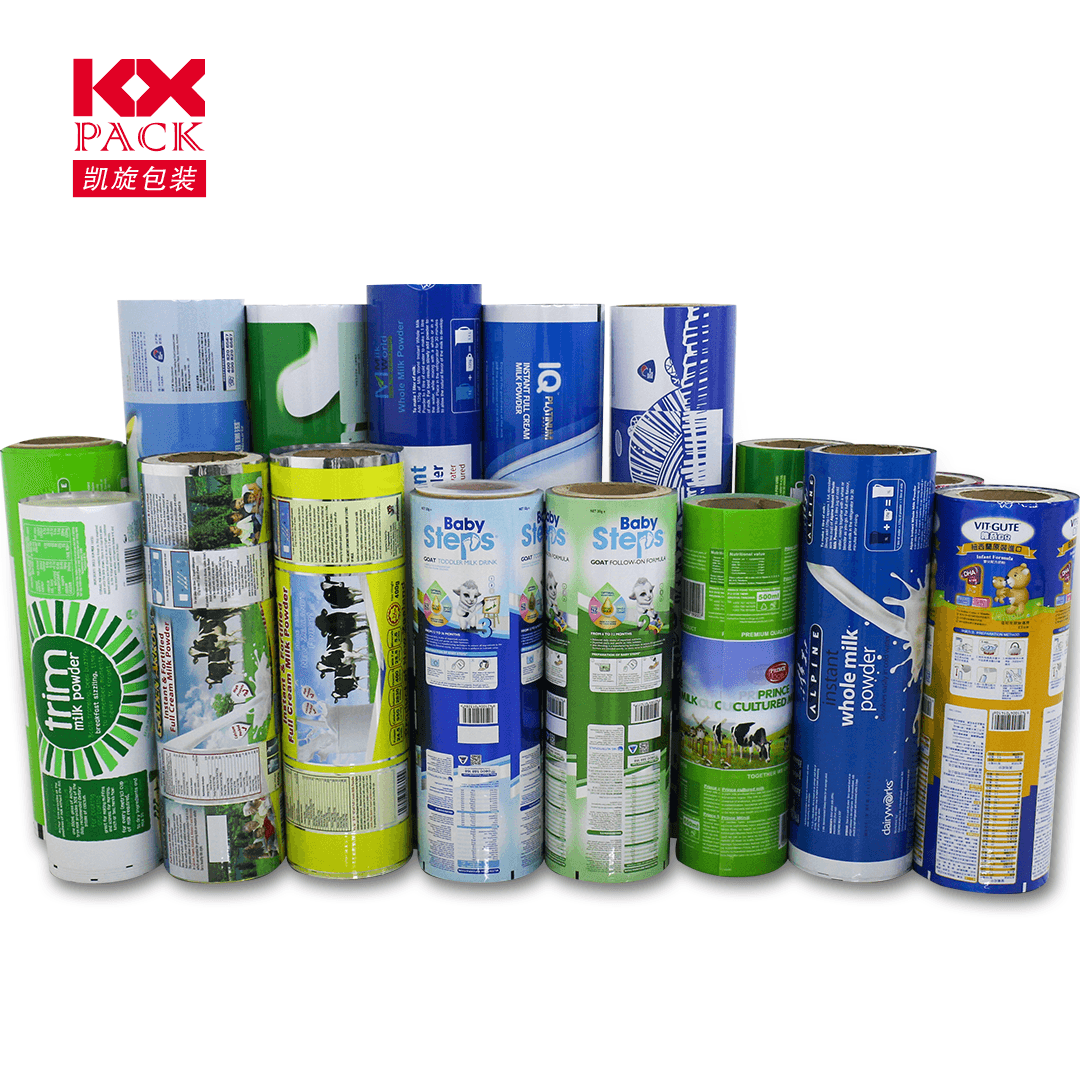
Film de ambalare cu lapte: Inovaţie, Sustenabilitate, și viitorul protecției produselor lactate
Film de ambalare cu lapte
In the world of dairy products, Filmul de ambalare a laptelui poate părea o componentă umilă, dar joacă un rol esențial în asigurarea prospețimii, Siguranță, și comoditate pentru consumatori. De la căptușeala clasică din carton de lapte până la filme moderne cu barieră înaltă, progresele în tehnologia de ambalare transformă modul în care este depozitat laptele, transportat, si savurat. Let’s explore the evolution of milk packaging film, its environmental impact, and the innovations driving its future.
Evoluția filmului de ambalare a laptelui
The history of milk packaging is a story of innovation driven by the need to preserve quality and extend shelf life. Early milk containers, such as glass bottles, were heavy and prone to breakage. The introduction of paper cartons in the mid-20th century marked a significant leap forward, offering a lightweight and recyclable alternative. in orice caz, these cartons relied on internal liners—often made of polyethylene or aluminum-based films—to prevent leakage and protect against oxygen and light, which can degrade milk quality.
Modern milk packaging films have evolved to meet stringent demands for safety, durabilitate, și durabilitate. Filme cu barieră înaltă, de exemplu, combine multiple layers of materials like polyethylene, alcool etilen vinilic (EVOH), and polyester to create a robust shield against moisture, oxigen, si lumina UV. These films ensure that milk stays fresh for longer periods, reducing waste and enhancing consumer convenience.
Key Features of Advanced Milk Packaging Films
- Proprietăți de barieră: The primary function of milk packaging film is to protect the product from external elements. High-barrier films excel at blocking oxygen, which can cause oxidation and spoilage, si lumina UV, which can degrade vitamins and flavor. Some films even incorporate active components like oxygen scavengers to further extend shelf life.
- Flexibility and Durability: Milk packaging must withstand the rigors of transportation and handling. Films need to be flexible enough to conform to different packaging shapes (De ex., pungi, cartons, bottles) while remaining puncture-resistant and tear-proof.
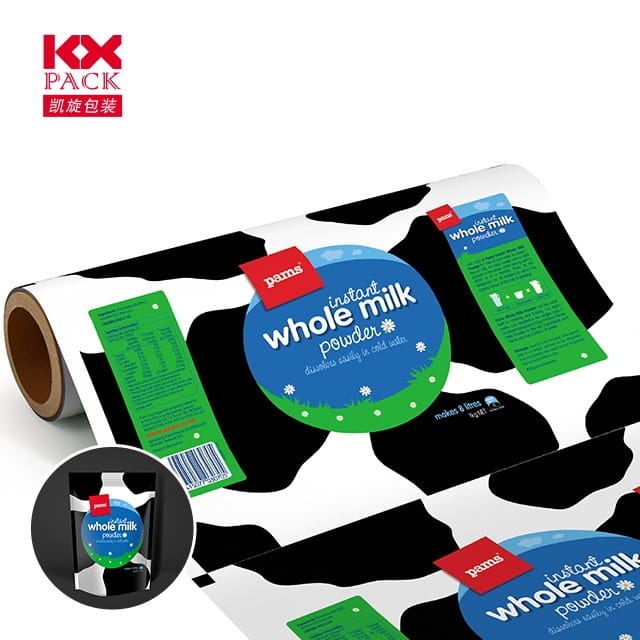
- Printability and Aesthetics: Beyond functionality, packaging film also serves as a marketing tool. High-quality printing capabilities allow brands to showcase their logos, nutritional information, and engaging designs, enhancing product appeal on store shelves.
- Sustenabilitate: Cu preocupări tot mai mari de mediu, sustainability has become a top priority. Many milk packaging films now incorporate recycled materials, polimeri biodegradabili, or compostable alternatives to reduce their ecological footprint.
Environmental Impact and Sustainable Solutions
The dairy industry’s reliance on plastic packaging has long been a point of contention. Traditional milk packaging films, often made from non-renewable fossil fuels, contribute to plastic pollution and landfill waste. in orice caz, the industry is making strides toward more sustainable solutions:
- Bio-Based Films: Companies are exploring films derived from renewable resources like corn starch, trestie de zahăr, sau alge. These bio-based polymers offer similar performance to conventional plastics but with a lower carbon footprint.
- Recyclable and Compostable Options: Innovations in film design are enabling easier recycling and composting. De exemplu, some films are now compatible with existing recycling streams, while others break down naturally in industrial composting facilities.
- Ușurare: Reducing the thickness of packaging film without compromising performance can significantly cut material use and transportation emissions. Many manufacturers are adopting lightweighting strategies to minimize waste.
Inovații care modelează viitorul
The future of milk packaging film is bright, with several exciting innovations on the horizon:
- Ambalaje inteligente: Imagine milk cartons that change color to indicate freshness or incorporate QR codes linking to traceability information. Tehnologii inteligente de ambalare, such as time-temperature indicators and NFC chips, could revolutionize how consumers interact with dairy products.
- Filme comestibile: Researchers are developing edible coatings made from natural ingredients like proteins or polysaccharides. These films could serve as an additional layer of protection while being safe to consume, eliminating packaging waste entirely.
- Nanotehnologie: Nanoscale additives could enhance film properties, such as gas barrier performance or antimicrobial activity, without adding bulk. This technology holds promise for creating ultra-thin, high-performance packaging.
- Modele de economie circulară: Brands are increasingly adopting circular economy principles, designing packaging for reuse, refill, or easy recycling. Initiatives like deposit-return schemes and closed-loop recycling systems could further reduce the environmental impact of milk packaging.
Rolul consumatorilor și reglementările
While technology drives innovation, consumer demand and regulatory frameworks also play crucial roles. Shoppers are increasingly voting with their wallets, supporting brands that prioritize sustainability. Guvernele, între timp, are implementing stricter regulations on single-use plastics and incentivizing eco-friendly packaging solutions.
De exemplu, the European Union’s Single-Use Plastics Directive aims to reduce plastic waste by banning certain items and promoting reusable alternatives. Similar initiatives are emerging globally, pushing the dairy industry to accelerate its transition to sustainable packaging.
Concluzie
Milk packaging film is more than just a wrapper—it’s a critical component in the dairy supply chain, Echilibrarea funcționalității, Siguranță, și durabilitate. From high-barrier films that extend shelf life to bio-based alternatives that reduce environmental impact, the evolution of milk packaging reflects broader trends in innovation and responsibility.
Ca consumatori, we can support these efforts by choosing brands committed to sustainable packaging and advocating for systemic change. As an industry, the dairy sector must continue investing in research and development to create packaging solutions that protect both our milk and our planet. The future of milk packaging film is not just about sealing in freshness—it’s about sealing in a commitment to a greener, lume mai durabilă.