Adevărul despre folie de plastic pentru ambalajele alimentare: Comoditate vs. Consecinţă
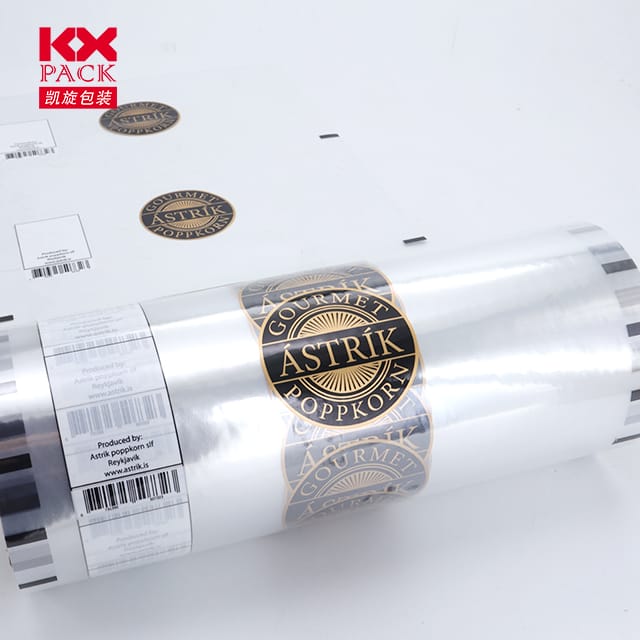
Food Wrap Plastic Film
In our fast-paced lives, folie de plastic a devenit un element de bază pentru bucătărie — lipită, versatil, și aparent indispensabil. Dar pe măsură ce dezlipim foile pentru a acoperi resturile sau pentru a împacheta sandvișurile, merită să ne oprim pentru a lua în considerare costurile ascunse ale acestui confort. Să ne scufundăm în lumea foliei de plastic pentru ambalajele alimentare, explorând impactul acestuia, alternatives, and smarter ways to use it.
1. The Ugly Truth: Plastic’s Environmental Toll
În fiecare an, peste 1 million tons de Food Wrap Plastic Film ends up in landfills or oceans. Unlike bottles or containers, plastic film is not recyclable in most regions due to its thin, natura elastică. It’s a major contributor to microplastic pollution, breaking down into tiny particles that infiltrate ecosystems and eventually our food chain. Marine life often mistakes plastic for food, leading to fatal consequences.
Shocking Fact: A single piece of plastic wrap can take400+ ani a se descompune. By then, it might outlive the tree it was originally made from!
2. Riscuri pentru sănătate: What’s Lingering in Your Lunch?
în timp ce Food Wrap Plastic Film is labeled “food-safe,” concerns persist. Some plastics contain ftalați (chemical plasticizers) legate de perturbări hormonale. Heating plastic-wrapped food in microwaves can release these chemicals, especially if the wrap touches the meal.
Safety Tip: Optează pentruFără BPA șifără ftalați wraps, and never microwave plastic directly. Use glass containers instead for reheating.
3. The Good News: Alternative ecologice
Din fericire, innovation is tackling Food Wrap Plastic Film. Here are smarter swaps:
- Învelișuri cu ceară de albine: Washable, reusable cloths coated in beeswax and jojoba oil. They mold to bowls and last up to a year with care.
- Capace din silicon: elastic, airtight covers for bowls of all sizes. Dishwasher-safe and durable.
- Aluminum Foil: Reciclabil (verificați regulile locale) and great for grilling or freezing.
- Recipiente din sticlă: Invest in airtight jars or containers for long-term storage.
Pentru vârf: For quick covers, try inverted plates or bowl-shaped lid sets made from stainless steel.
4. Smarter Plastic Wrap Habits
If ditching Food Wrap Plastic Film entirely feels overwhelming, use it mindfully:
- Reutilizați: Clean and reuse sheets for non-food items like covering paint cans or wrapping fragile objects.
- Reciclează corect: Check if your local recycling program accepts thick plastic bags (some do). Avoid recycling thin, stretchy wraps.
- Cumpărați în vrac: Reduce packaging waste by purchasing larger quantities of food stored in reusable containers.
5. Brands Leading the Charge
Companies are responding to demand for greener options:
- Eco-friendly Wraps: Branduri ca Învelișul albinelor și Abigail’s Oven offer organic cotton wraps.
- Filme compostabile: Fabricat din materiale pe bază de plante, cum ar fi amidonul de porumb, though industrial composting facilities are needed.
- Reusable Silicones: Stasher Bags și Lidology create airtight, leakproof solutions for meals on the go.
Your Choice Matters
Every time you reach for plastic wrap, amintește-ți: It’s not just about preserving food—it’s about preserving our planet. Small swaps add up. By choosing reusables, supporting eco-brands, and advocating for better recycling systems, we can unwrap a healthier future.
Gândul final: Convenience shouldn’t cost the Earth. Let’s wrap mindfully, one meal at a time. 🌍🍎
Hashtag-uri: #PlasticFreeKitchen #SustainableLiving #EcoSwap #ZeroWaste #FoodWrapAlternatives