Film de ambalare pentru alimente și folii de ambalare pentru alimente: Ghidul suprem pentru prospețime, Siguranţă, și durabilitate
Când vine vorba de păstrarea aromei, textură, și valoarea nutritivă a meselor tale preferate, eroii necunoscuți din bucătăriile și lanțurile noastre de aprovizionare sunt folie alimentară şi folii de ambalare a alimentelor. Fie că ești un bucătar acasă care încearcă să împiedice lasagna de aseară să se usuce, sau un producător de alimente comerciale care livrează produse delicate în toată țara, alegerea materialului potrivit este esențială.
Dar să fim sinceri: lumea ambalajelor flexibile poate fi incredibil de confuză. Cu termeni precum PVC, PE, proprietăți de barieră, și biodegradabilitatea aruncată în jur, de unde știi ce funcționează de fapt?
În acest ghid cuprinzător, vom despacheta tot ce trebuie să știți folie alimentară solutii, explorați cele mai recente inovații în folii de ambalare a alimentelor, și vă ajută să vă informați, alegeri eco-conștiente.
De ce filmul pentru ambalaj alimentar este un element esențial pentru bucătărie
Am fost cu toții acolo – ne uităm la un avocado pe jumătate mâncat, întrebându-mă cum să-l împiedic să se transforme într-un maro, mush neapetisant. Aici este o înaltă calitate folie alimentară intră.
În miezul ei, Cling wrap este conceput pentru a face două lucruri excepțional de bine: aderă la suprafețe și blochează oxigenul.
Știința întinderii
Din punct de vedere istoric, clorură de polivinil (PVC) a fost materialul de referință pentru foliile de uz casnic datorită elasticității sale incredibile și aderenței superioare. Cu toate acestea, pe măsură ce preocupările legate de sănătate și mediu au evoluat, industria sa mutat semnificativ spre polietilenă (PE).
Modern PE folie alimentară oferă un non-toxic, Alternativă fără BPA care blochează în siguranță umiditatea fără a lăsa substanțe chimice dăunătoare în alimente. Se creează un strâmt, micro-mediu care încetinește drastic procesul de oxidare, păstrându-ți fructele, legume, și proteine proaspete pentru zile în plus.
Ridicarea jocului: Filme comerciale pentru ambalaje alimentare
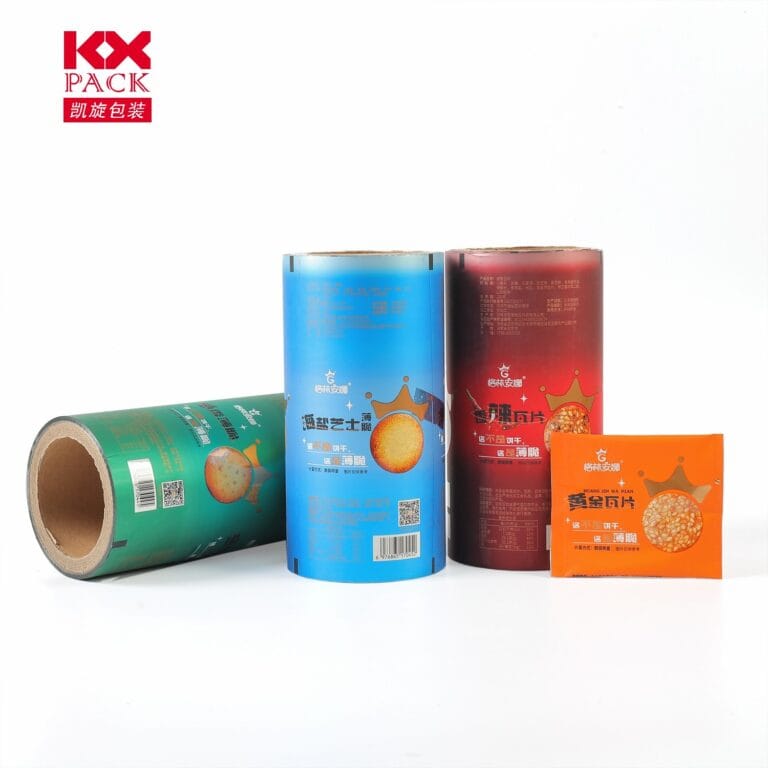
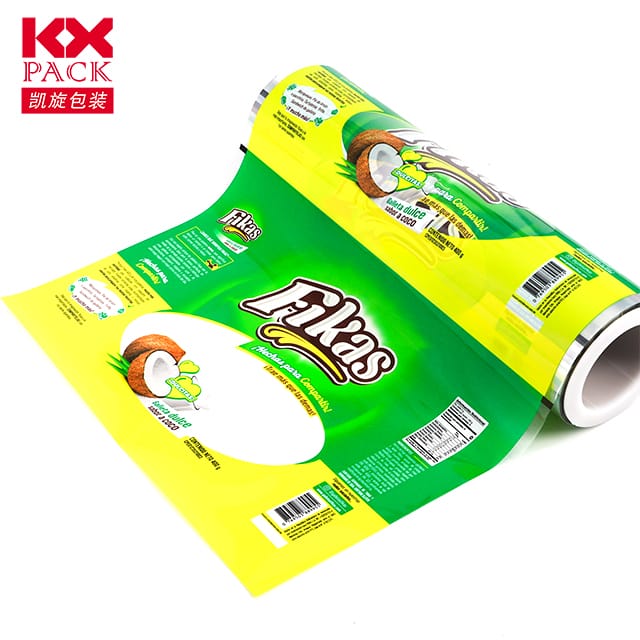
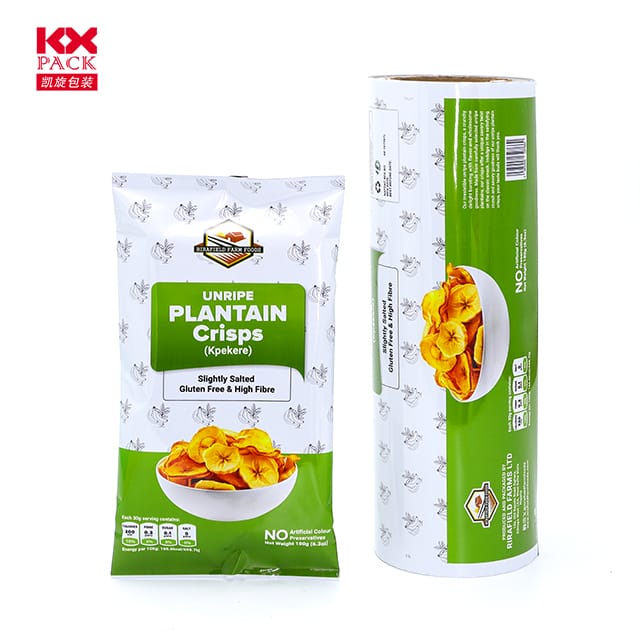
În timp ce ambalajul standard este perfect pentru conservarea pe termen scurt la scară domestică, industria alimentară globală cere ceva mult mai robust. Intră industrial folii de ambalare a alimentelor. Acestea nu sunt ambalajele tale obișnuite din magazinul alimentar; sunt extrem de proiectate, minuni tehnologice multistratificate concepute pentru a prelungi durata de valabilitate de la zile la luni.
1. Ambalare în atmosferă modificată (HARTĂ)
Te-ai întrebat vreodată cum salata verde în pungi rămâne perfect crocante timp de săptămâni? Secretul constă în specializare folii de ambalare a alimentelor folosit în MAP. Aceste filme sunt proiectate cu rate specifice de permeabilitate la gaz. Ele permit un echilibru precis al oxigenului, dioxid de carbon, și azotul să existe în interiorul pachetului, punând eficient procesul de îmbătrânire a alimentelor “a dormi.”
2. Filme cu barieră înaltă
Pentru carne, brânzeturi, și alimente procesate, umiditatea și oxigenul sunt inamicul public numărul unu. Avansat folii de ambalare a alimentelor utilizați mai multe straturi, combinând adesea nailon, EVOH, și polietilenă - pentru a crea o barieră impenetrabilă. Acest lucru previne arderea congelatorului, se blochează în aromă, și elimină riscul de contaminare încrucișată în timpul tranzitului.

Revoluția Verde: Soluții de ambalare ecologice
Să ne adresăm elefantului din cameră: deșeuri de plastic. Dependența tradițională de plasticul de unică folosință folie alimentară a contribuit, fără îndoială, la stresul mediului. Din fericire, industria ambalajelor trece printr-o transformare masivă ecologică.
Consumatorii de astăzi cer durabilitate, iar producătorii iau la îndemână cu inovații inovatoare:
- PLA (Acid polilactic) Filme: Derivat din resurse regenerabile, cum ar fi amidonul de porumb sau trestia de zahăr, aceste filme sunt complet compostabile în condiții industriale.
- Impachetări pe bază de celuloză: Fabricat din pastă de lemn, acestea oferă o claritate excelentă și proprietăți de barieră, fiind în același timp biodegradabile în mod natural.
- Monomateriale reciclabile: Tradiţional, Filmele cu mai multe straturi au fost imposibil de reciclat, deoarece straturile nu au putut fi separate. Noua inginerie permite mai multe straturi folii de ambalare a alimentelor realizat în întregime din aceeași familie de polimeri (ca toate polietilena), făcându-le 100% reciclabile.
Alegerea unor alternative ecologice nu înseamnă mai mult sacrificarea performanței. Cele mai recente filme pe bază de bio oferă aceeași agățare, claritate, și putere ca strămoșii lor pe bază de petrol.
Cum să alegi filmul potrivit pentru nevoile tale
Cu atât de multe opțiuni disponibile pe piață, selectarea materialului potrivit poate fi copleșitoare. Iată o detaliere rapidă pentru a vă ghida decizia:
| Aplicație | Material recomandat | Beneficiul cheie |
| Resturile zilnice & Uz casnic | Polietilenă (PE) folie alimentară | Seif, fara substante chimice, usor de folosit |
| Carne Proaspata & Păsări de curte (Comercial) | PVC sau film coextrudat cu barieră înaltă | Control excelent al transmisiei oxigenului, claritate premium |
| Alimente congelate | Laminat folii de ambalare a alimentelor (PET/PE) | Rezistență ridicată la perforare, previne arderea congelatorului |
| Branduri ecologice | PLA compostabil sau PE monomaterial | Reduce amprenta de carbon, atrage consumatorii verzi |
Cele mai bune practici pentru depozitarea în siguranță a alimentelor
Pentru a obține maximul absolut de la dvs folie alimentară, ține cont de aceste sfaturi practice:
- Evitați căldura ridicată: Cu excepția cazului în care un film este etichetat în mod explicit ca “sigur pentru cuptorul cu microunde,” evitați să-l lăsați să atingă alimente grase sau bogate în zahăr în timpul încălzirii, deoarece căldura intensă poate determina topirea filmului.
- Asigurați o etanșare etanșă: La ambalarea recipientelor, asigurați-vă că marginile sunt uscate. O jantă uscată permite folie alimentară pentru a forma o legătură etanșă adecvată.
- Depozitați corect: Păstrați rulourile de film neutilizate într-un loc răcoros, loc uscat ferit de lumina directă a soarelui pentru a le păstra calitățile adezive.
Gânduri finale: Viitorul conservării alimentelor
Evolutia lui folie alimentară și comerciale folii de ambalare a alimentelor demonstrează că nu trebuie să alegem între siguranța alimentară și responsabilitatea față de mediu. Pe măsură ce tehnologia avansează, putem aștepta cu nerăbdare ambalaje și mai inteligente – filme care își schimbă culoarea atunci când mâncarea se strică, sau împachetări comestibile făcute din proteine de alge marine.
Înțelegând materialele pe care le folosim pentru a ne proteja alimentele, putem reduce risipa alimentară, economisi bani, și faceți alegeri care tratează planeta noastră cu respect.
Ce părere aveți despre viitorul ambalajelor durabile? Ați trecut deja la împachetările compostabile? Anunțați-ne în comentariile de mai jos!