Evoluția și impactul filmelor de ambalare a alimentelor: Inovaţie, Sustenabilitate, și siguranța consumatorilor
Filme pentru ambalaje alimentare
În lumea modernă, Filmele de ambalare a alimentelor sunt omniprezente, dar adesea trecute cu vederea. Aceste straturi subțiri de material joacă un rol esențial în păstrarea prospețimii, Extinderea duratei de valabilitate, și protejarea alimentelor de contaminare. Dar, pe măsură ce consumatorii cerințe se îndreaptă către sustenabilitate și comoditate, Industria ambalajelor alimentare suferă o revoluție transformatoare. Să explorăm cele mai recente tendințe, inovații, and challenges in the world of food packaging films.
1. What Are Food Packaging Films?
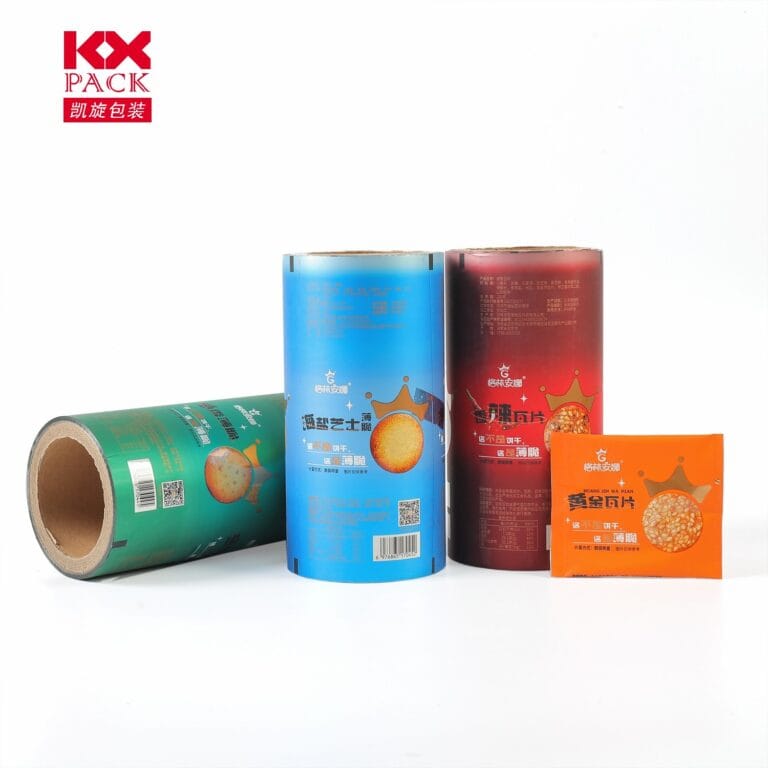
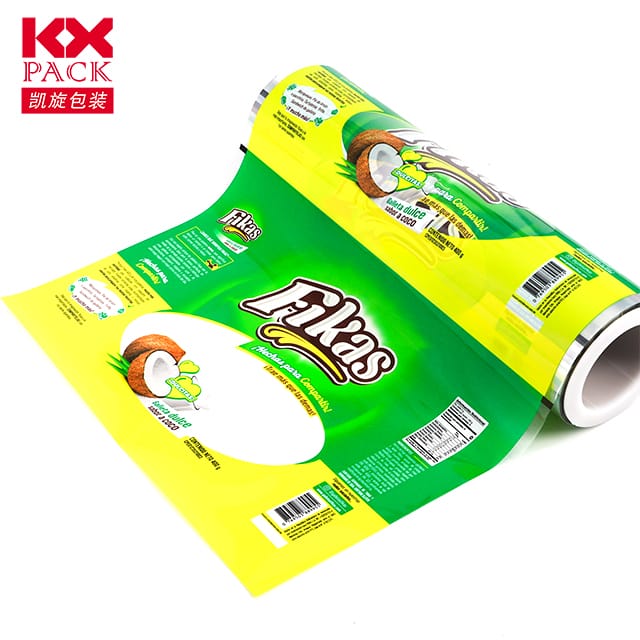
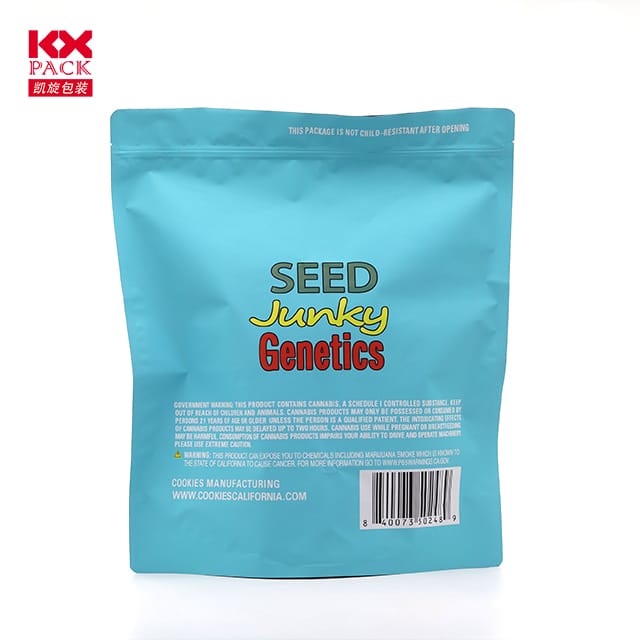
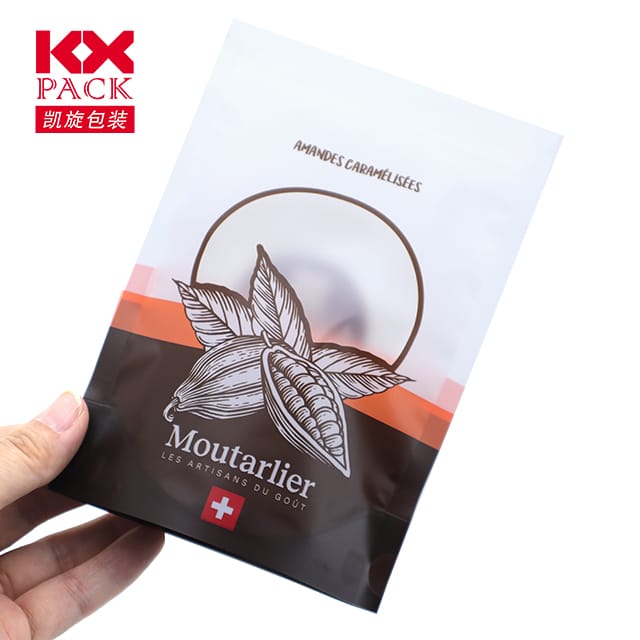
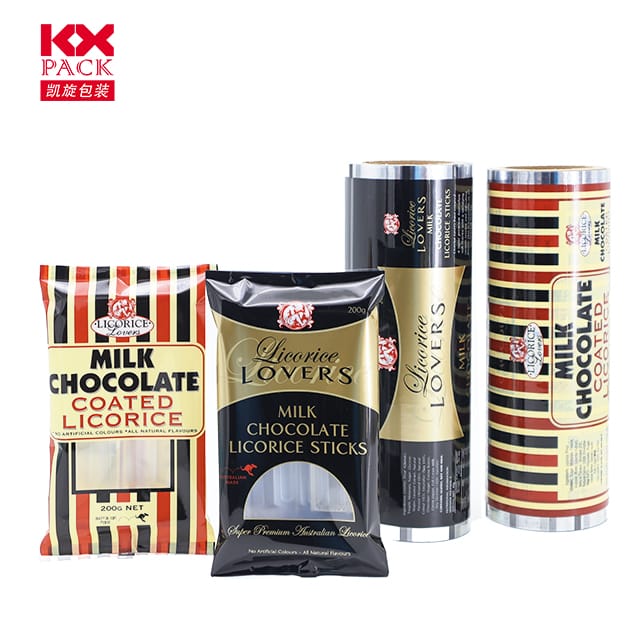
Food packaging films are flexible materials used to wrap, sigiliu, or cover food products. They can be made from plastics, bioplastice, hârtie, aluminiu, or composites of multiple layers. Their primary functions include:
- Conservare: Preventing exposure to air, umiditate, and light to slow spoilage.
- Protecţie: Shielding food from physical damage, bacterii, și dăunători.
- Comoditate: Enabling easy handling, depozitare, si controlul portiilor.
- Branding: Providing a surface for labels, logos, and nutritional information.
From single-use snack wrappers to resealable pouches for fresh produce, these films are integral to the global food supply chain.
2. The Rise of Sustainable Alternatives
Folii de plastic tradiționale, în timp ce eficient, have drawn criticism for their environmental impact. Materialele plastice de unică folosință contribuie la poluare, harm wildlife, and take centuries to decompose. Ca răspuns, the industry is innovating with eco-friendly solutions:
- Filme biodegradabile: Fabricat din materiale pe bază de plante, cum ar fi amidonul, celuloză, sau acid polilactic (PLA), aceste filme se descompun în mod natural în condiții specifice.
- Filme compostabile: Designed to decompose in industrial composting facilities, leaving no toxic residues.
- Filme comestibile: Edible coatings made from ingredients like seaweed, chitosan, or proteins not only protect food but can also be consumed along with it, reducing waste entirely.
- Conținut reciclat: Films incorporating post-consumer recycled (PCR) plastics help divert waste from landfills.
Branduri caTIPA® șiEco-Products are leading the charge with compostable packaging, while companies likeNotpla are creating seaweed-based films that dissolve in water.
3. Ambalaje inteligente: The Future of Food Safety
Dincolo de sustenabilitate, technology is transforming packaging films into intelligent tools for monitoring food quality:
- Indicatori timp-temperatură (TTI-uri): Etichete care își schimbă culoarea dacă alimentele au fost expuse la temperaturi nesigure, asigurarea prospețimii.
- Senzori de prospețime: Embedded sensors detect gases like ammonia or CO₂, which indicate spoilage, and alert consumers via smartphone apps.
- Filme antimicrobiene: Infused with natural compounds like essential oils or silver nanoparticles, these films inhibit bacterial growth and extend shelf life.
De exemplu, Mimica Touch has developed a tactile indicator that becomes bumpy when food is no longer safe to eat, empowering consumers to make informed decisions.
4. Provocări și considerații
While the future of food packaging films is promising, several hurdles remain:
- Cost: Sustainable materials are often more expensive than conventional plastics, deși economiile de scară reduc treptat prețurile.
- Performanţă: Biodegradable films may lack the barrier properties of traditional plastics, leading to shorter shelf lives for some products.
- Comportamentul consumatorului: Many consumers remain confused about how to properly dispose of compostable or biodegradable packaging, leading to contamination in recycling streams.
- Regulation: Governments worldwide are implementing stricter rules on single-use plastics, pushing companies to adapt quickly.
5. The Role of Consumers in Driving Change
As awareness grows, consumers are demanding more sustainable options. By choosing products packaged in eco-friendly films, supporting brands with transparent practices, and properly disposing of packaging, indivizii pot influența standardele industriei.
Pentru vârf: Căutați certificări precumOK Compost, Institutul Produselor Biodegradabile (BPI), sauTÜV Austria to ensure packaging meets sustainability claims.
Concluzie: A Wrap-Up on Food Packaging Films
Food packaging films are no longer just about keeping food safe—they’re about protecting the planet, sporind confortul, and empowering consumers. As innovation continues, we can expect smarter, mai verde, and more efficient solutions to dominate the market.
The next time you unwrap a snack or toss packaging into the bin, take a moment to consider the material’s journey. Împreună, we can drive demand for packaging that’s kind to both our bodies and the Earth.
What’s your take on sustainable food packaging? Share your thoughts or favorite eco-friendly brands in the comments below! 🌍🍃📦