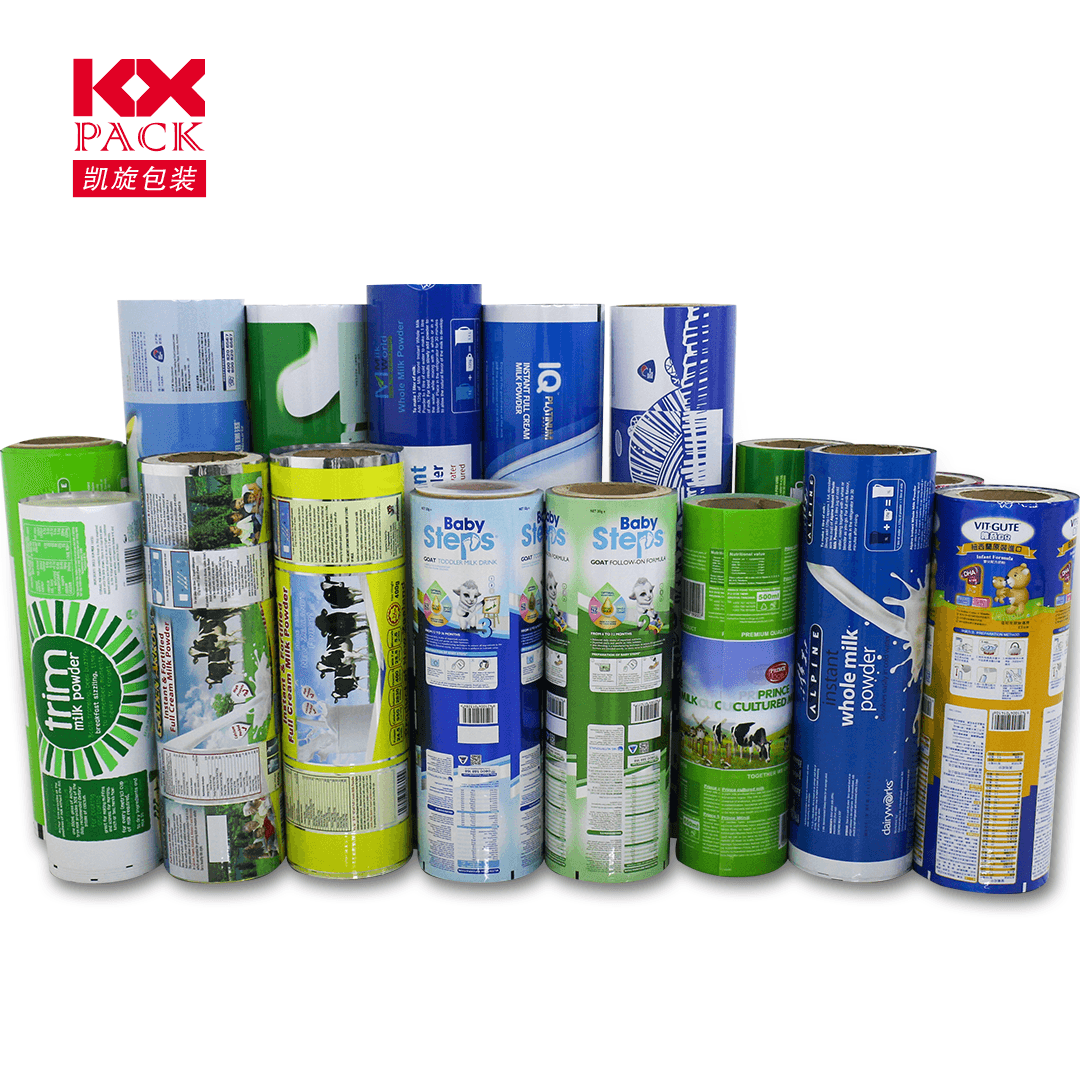
Explorând lumea diversă a tipurilor de film pentru ambalaje flexibile: Un ghid cuprinzător
Tipuri de film de ambalare flexibile
Pe piața de consum rapidă de astăzi, flexible packaging films have become indispensable for preserving freshness, Extinderea duratei de valabilitate, și sporirea atractivității produsului. De la gustări și băuturi până la produse farmaceutice și electronice, aceste materiale versatile se adaptează la nenumărate aplicații. Dar cu atât de multe opțiuni disponibile, cum alegi tipul potrivit pentru nevoile tale? Let’s dive into the most commonflexible packaging film types, their properties, and ideal use cases.
1. Polietilenă (PE) Filme: The All-Purpose Champion
Polyethylene is one of the most widely used materials in flexible packaging due to its affordability, flexibilitate, și rezistență la umiditate. It comes in three primary variants:
- Polietilenă de joasă densitate (LDPE): Soft and transparent, LDPE is perfect for food bags, shrink wrap, and lightweight packaging.
- Polietilenă de înaltă densitate (HDPE): Stronger and more rigid, HDPE is ideal for heavy-duty applications like grocery bags, detergent pouches, and industrial liners.(Tipuri de film de ambalare flexibile)
- Polietilenă liniară de joasă densitate (LLDPE): Combines the best of both worlds with enhanced puncture resistance and stretchability, making it great for frozen foods and agricultural films.
Best for: Everyday consumer goods, produse proaspete, and moisture-sensitive products.
2. Polipropilenă (PP) Filme: Clarity and Strength Combined
Polypropylene films are known for their excellent optical clarity, rezistenta la caldura, și proprietăți de barieră. They come in two main forms:
- Polipropilenă orientată biaxial (BOPP): This stretchable, glossy film is a top choice for snack packaging, etichete, and laminates due to its high tensile strength and printability.
- Polipropilenă turnată (CPP): Softer and more heat-sealable than BOPP, CPP is often used in food wrappers, ambalaj medical, and textile coatings.
Best for: High-visibility packaging, microwaveable foods, and products requiring a premium look.
3. Poliester (ANIMAL DE COMPANIE) Filme: Durable and Barrier-Enhanced
Polyester films, particularlypolietilen tereftalat orientat biaxial (BOPET), offer exceptional strength, rezistenta chimica, and gas barrier properties. They’re often laminated with other materials to create multi-layer structures.
Key features:
- Rezistență mare la tracțiune
- Resistance to oils, acids, si lumina UV
- Excellent oxygen and moisture barrier when combined with coatings or aluminum foil
Best for: Sticle de băutură, ambalaj de cafea, Electronică, și farmaceutice.
4. Polyamide (Nailon) Filme: Flexibility Meets Puncture Resistance
Polyamide films, canailon 6 or nylon 6,6, are prized for their toughness and ability to withstand repeated flexing without tearing. They’re frequently used in vacuum packaging and retort pouches (for sterilized foods).
Key features:
- High puncture resistance
- Excellent oxygen barrier properties
- Heat-resistant for retort processes
Best for: Meat packaging, brânză, mese gata de consumat, și dispozitive medicale.
5. Laminate din folie de aluminiu: Ultimate Barrier Protection
When ultimate protection against light, oxigen, and moisture is required, aluminum foil is laminated with other films (De ex., PE, ANIMAL DE COMPANIE, or PP). This creates a lightweight yet impermeable barrier.
Key features:
- 100% opacity (blocks light)
- Superior gas and aroma barrier
- Heat-sealable for airtight packaging
Best for: Cafea, spices, produse farmaceutice, and sensitive electronics.
6. Filme biodegradabile și compostabile: Alternative ecologice
With sustainability in focus, biodegradable films made fromacid polilactic (PLA), amestecuri de amidon, saucellulose-based materials capătă teren. These films break down naturally under specific conditions, reducerea deșeurilor de plastic.
Key considerations:
- Check certification standards (De ex., OK Compost, ASTM D6400).
- Performance may vary in terms of strength and barrier properties.
Best for: Single-use packaging, organic foods, și mărci ecologice.
How to Choose the Right Flexible Packaging Film
- Assess product needs: Consider factors like shelf life, sensitivity to light/oxygen, and required durability.
- Evaluate environmental goals: Opt for recyclable, biodegradabile, or compostable options if sustainability is a priority.
- Review manufacturing processes: Some films require specialized equipment for sealing or printing.
- Test performance: Conduct trials to ensure the film meets your quality standards under real-world conditions.
Gânduri finale
The world offlexible packaging film types is vast, but understanding the strengths of each material can help you make informed decisions that balance cost, performanţă, și durabilitate. Whether you’re packaging a crunchy snack or a delicate medical device, there’s a film designed to meet your exact requirements.
What’s your biggest challenge when selecting packaging films? Împărtășiți-vă gândurile în comentariile de mai jos! 🌍📦
Cuvinte cheie: flexible packaging film types, folie de polietilenă, polypropylene film, PET film, ambalaje biodegradabile