Evoluția și impactul filmelor flexibile în ambalajele alimentare
Filme flexibile
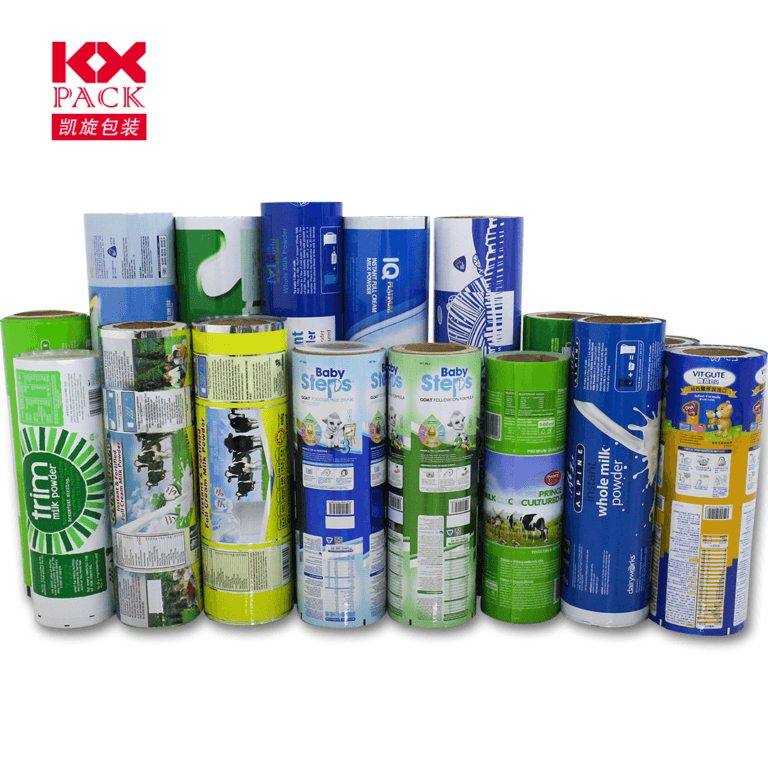
În lumea dinamică a ambalajelor alimentare, Filme flexibile au apărut ca un schimbător de joc, Revoluționarea modului în care produsele sunt păstrate, prezentat, și transportat. Combinarea inovației cu sustenabilitatea, Acestea ușoare, Materialele adaptabile redau industria, abordând în același timp cerințele în creștere a consumatorilor pentru comoditate și soluții ecologice.
Ce sunt filmele flexibile?
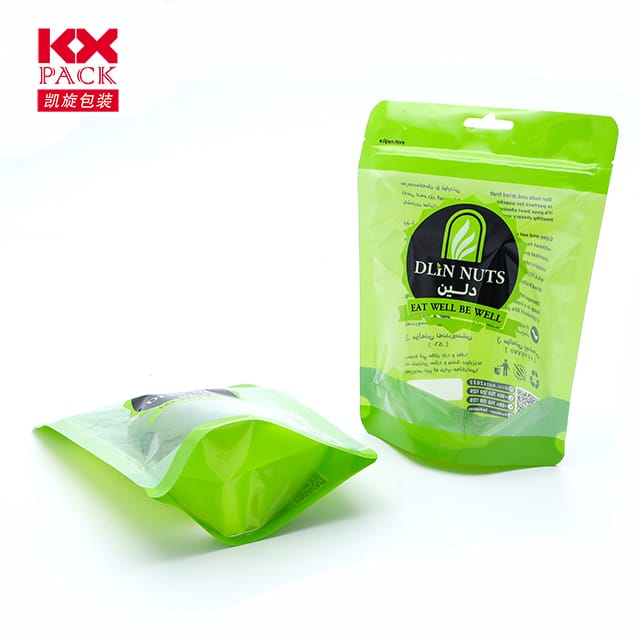
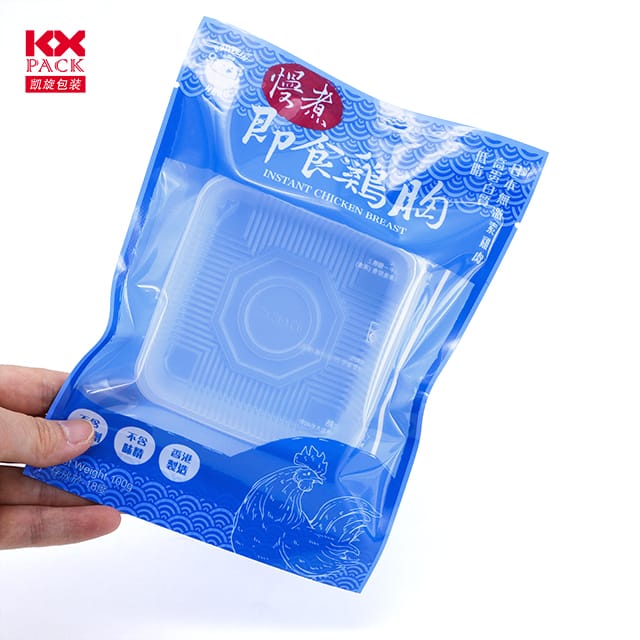
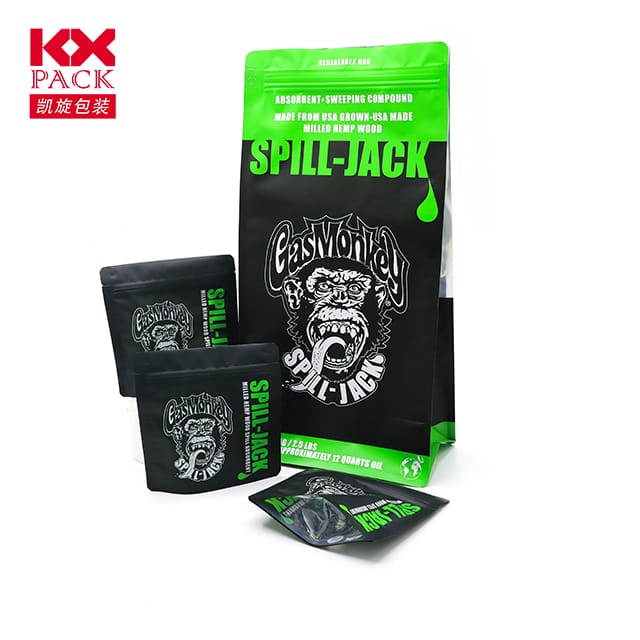
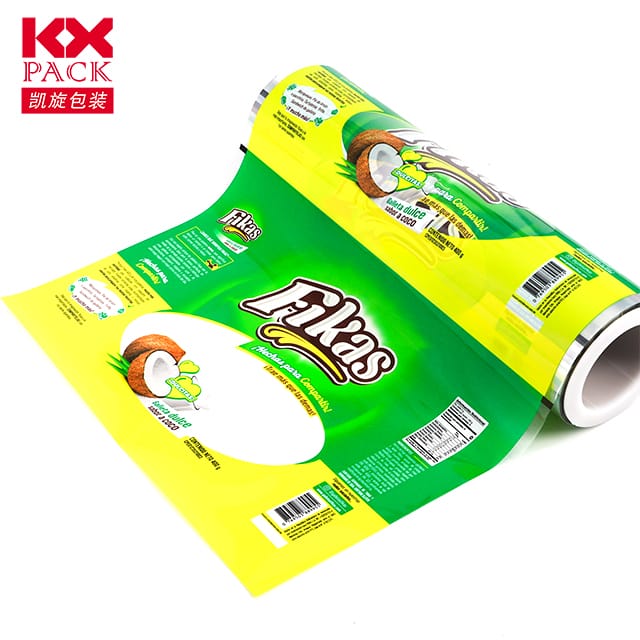
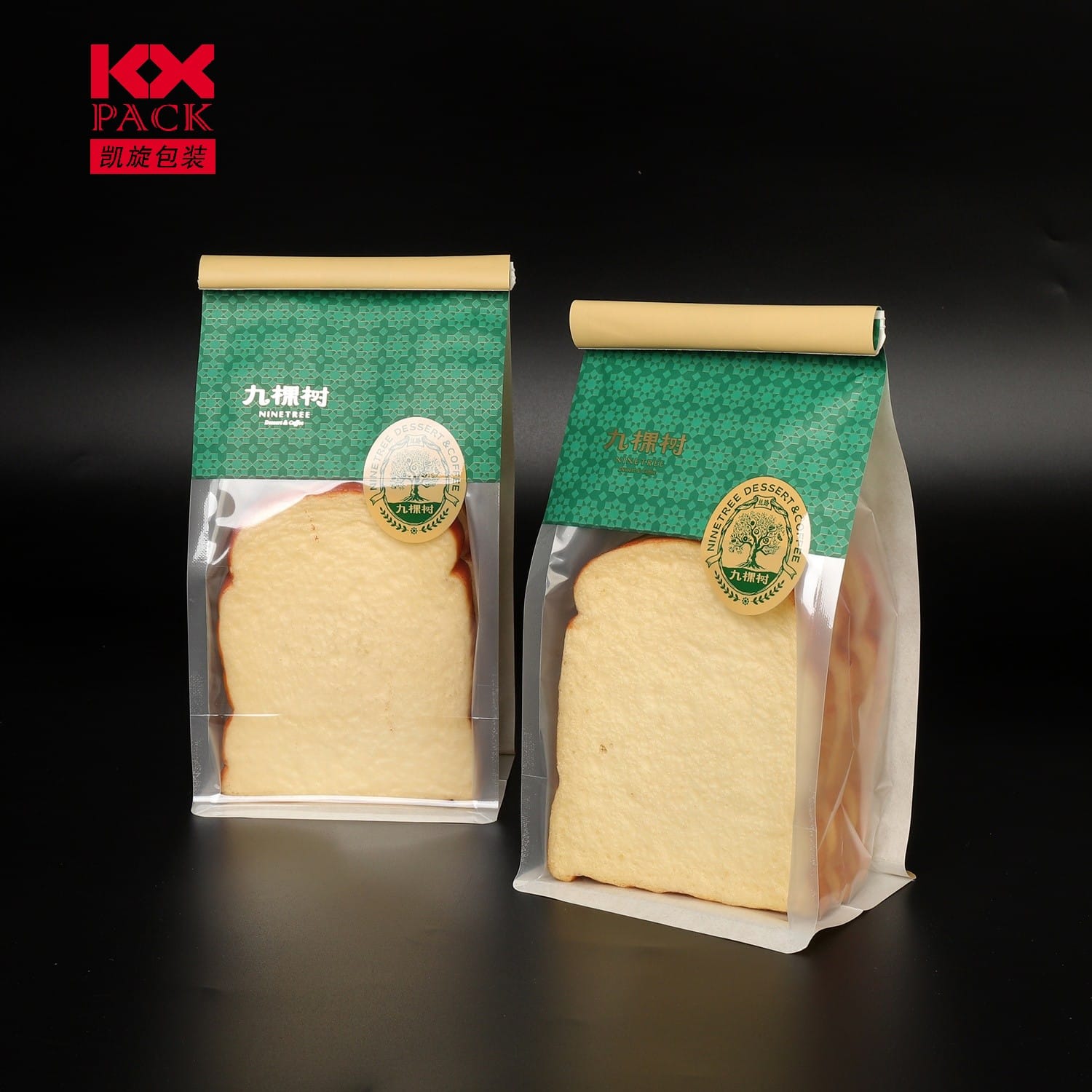
Filmul flexibil este subțire, pliable sheets made from polymers like polyethylene (PE), polipropilenă (PP), poliester (ANIMAL DE COMPANIE), or biodegradable alternatives such as polylactic acid (PLA). Designed to conform to product shapes, they offer versatility unmatched by rigid packaging. Common applications include pouches, wraps, lids, and bags for snacks, produse proaspete, lactate, și mese gata de consumat.
Key Advantages of Flexible Films
- Protecție îmbunătățită a produsului
Flexible films create airtight barriers against moisture, oxigen, si lumina, extending shelf life and reducing food waste. Advanced multilayer structures can incorporate oxygen scavengers or UV filters for superior preservation. - Sustainability Benefits
Compared to traditional materials, flexible films require fewer resources to produce and transport, reducerea amprentei de carbon. Many are now recyclable or compostable, alinierea la obiectivele economiei circulare globale. De exemplu, Dow’s RecycleReady technology enables recyclable pouches, while companies like TIPA® offer certified compostable films. - Cost-Efficiency and Convenience
Lightweight and space-saving, flexible films reduce storage and shipping costs. Their resealable designs—like zippers or spouts—enhance user experience, catering to on-the-go lifestyles. - Branding and Shelf Appeal
High-definition printing capabilities allow vibrant, customizable designs, helping brands stand out in competitive retail environments.
Provocări și inovații
În ciuda beneficiilor lor, flexible films face hurdles:
- Infrastructura de reciclare: Single-material films are easier to recycle, but multilayer variants (common in high-barrier packaging) remain problematic.
- Material Complexity: Balancing performance with eco-friendliness requires ongoing R&D.
Inovațiile care conduc schimbarea:
- Polimeri biodegradabili: Materials derived from corn starch or sugarcane are gaining traction.
- Reciclare chimică: Breakthroughs like enzymatic degradation promise to recycle mixed-material films.
- Ambalaje inteligente: Integration of sensors to monitor freshness or RFID tags for supply chain transparency.
The Future of Flexible Films
The market for flexible food packaging is projected to grow at aCAGR de 5.2% prin 2030 (Cercetare Grand View), alimentat de:
- Rising e-commerce: Demand for durable, lightweight shipping materials.
- Health-Conscious Consumers: Preferences for hygienic, single-serve portions.
- Presiuni de reglare: Stricter bans on single-use plastics are accelerating adoption of sustainable alternatives.
Concluzie
Flexible films represent a bridge between functionality and environmental responsibility. Pe măsură ce tehnologia avansează, their role in reducing waste, enhancing food safety, and delighting consumers will only expand. Brands that embrace these materials today are not just staying ahead—they’re contributing to a healthier planet.
Apel la acțiune:
Are you ready to explore flexible packaging solutions for your brand? Share your thoughts or questions in the comments below—let’s discuss how innovation can meet sustainability in the food industry!
Word count: ~550
Cuvinte cheie: Filme flexibile, ambalajele alimentare, sustenabilitate, inovaţie, reciclare