O mundo dinâmico do filme plástico em rolo: Inovação, Aplicações, e sustentabilidade
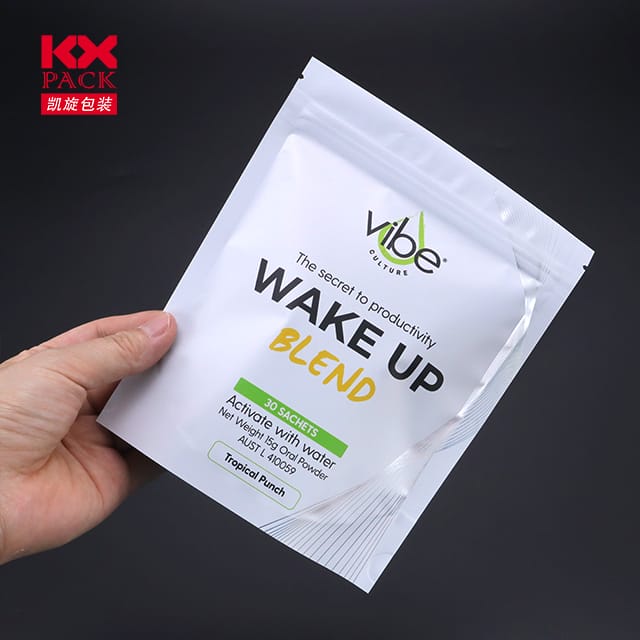
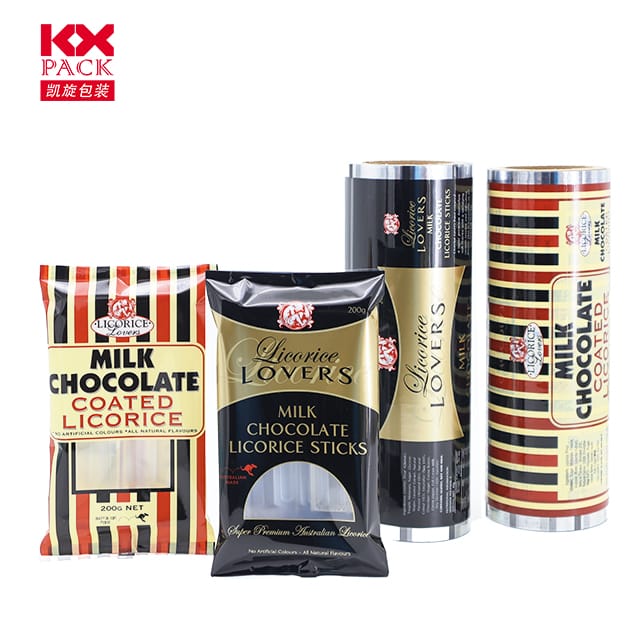
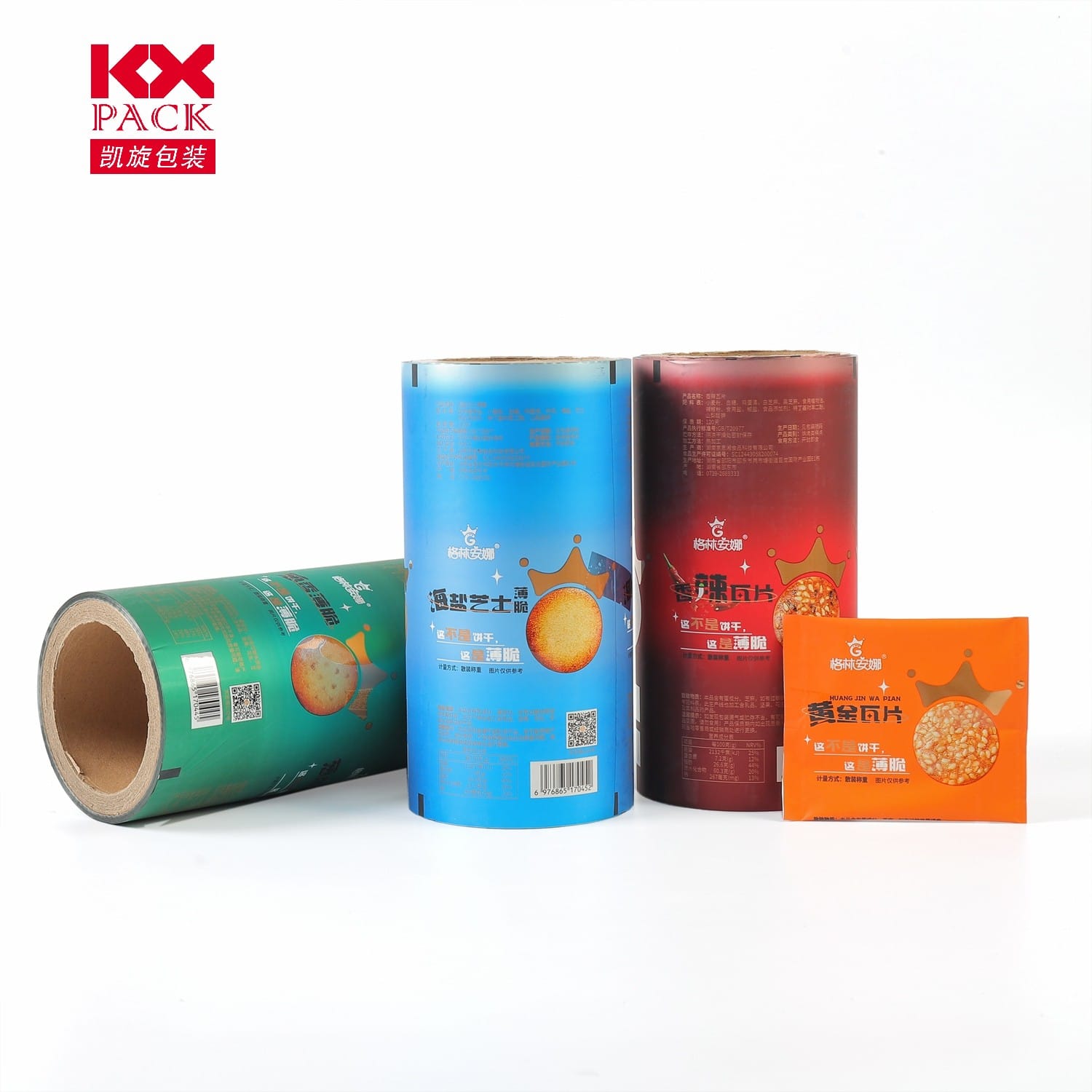
Filme de rolo de plástico
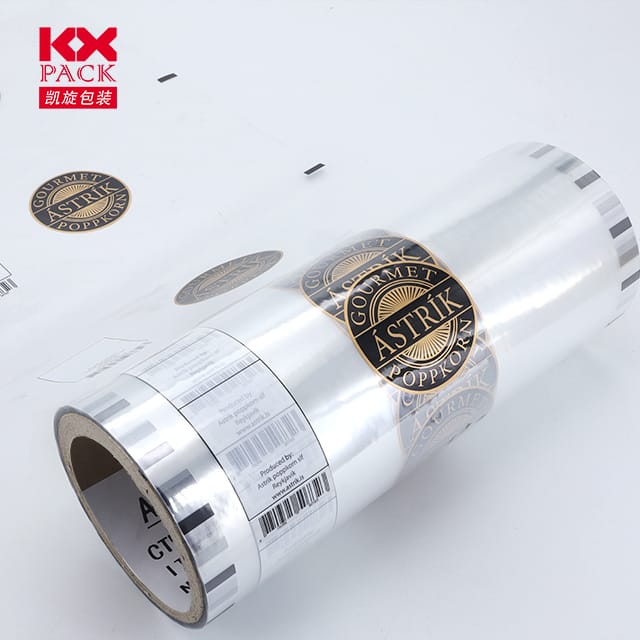
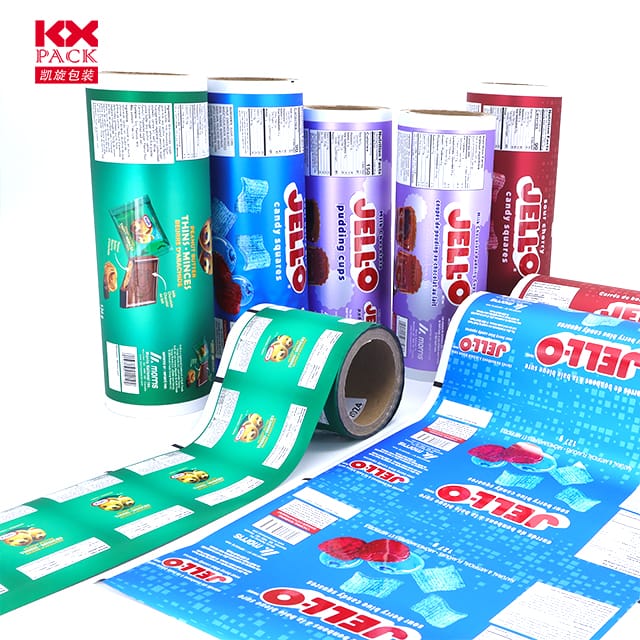
Plastic roll film, uma folha contínua de material plástico enrolada em rolos, tornou-se um componente indispensável em todos os setores, desde embalagens de alimentos até engenharia aeroespacial. Sua versatilidade, relação custo-benefício, and adaptability to automated processes have driven its global market to grow from97.11bitudoeuode2024∗∗toumprojected∗∗158.21 billion by 2034, at a5% Cagr. This surge reflects evolving consumer demands, avanços tecnológicos, and a growing emphasis on sustainability.
A Material for Every Need: Types and Properties
Filme de rolo de plástico are not a one-size-fits-all solution. They are engineered with specific resins and manufacturing processes to meet diverse requirements:
- Polietileno (EDUCAÇAO FISICA) Filmes
- Aplicações: Embalagem de alimentos, agricultural mulch, and industrial liners.
- Vantagens: Durabilidade, Resistência à umidade, and cost efficiency. PE films dominate the market, particularly in flexible packaging, where they account for a significant share.
- Sustainability Challenge: Their longevity, while beneficial for product protection, poses environmental risks if not recycled. Inovações como reciclagem química—which breaks down PE into monomers for reuse—are addressing this by supporting circular economy models.
- Polipropileno biaxialmente orientado (Bopp) Filmes
- Aplicações: Snack packaging, rótulos, e laminados.
- Vantagens: High clarity, força, e resistência ao calor. BOPP films are widely used in retail due to their printability and barrier properties against oxygen and moisture.
- Polyolefin Shrink Films
- Aplicações: Unitizing products, displays de varejo, and beverage multipacks.
- Vantagens: Form-fitting when heated, providing tamper-evident seals and reducing material use compared to rigid packaging.(Filme de rolo de plástico)
- Filmes Especiais
- Opções biodegradáveis: Made from plant-based resins like PLA, these films cater to eco-conscious brands.
- Multi-Layer Coextrusion: Combines layers of different polymers (Por exemplo, PE/EVOH) to enhance barrier properties for perishable goods.
Driving Industry Transformation: Principais Tendências
- Sustainability as a Core Focus
- Infraestrutura de reciclagem: Advances in mechanical and chemical recycling are enabling the reuse of post-consumer films. Por exemplo, filmes monomateriais (Por exemplo, bolsas totalmente PE) simplificar os fluxos de reciclagem.
- Alternativas baseadas em biodudes: Companies are investing in bioplastics derived from sugarcane or algae to reduce reliance on fossil fuels.
- Inovação Tecnológica
- Filmes Inteligentes: Integration of sensors or QR codes for freshness tracking in food packaging.
- High-Barrier Coatings: Nanotechnology is being used to create ultra-thin, impermeable layers that extend product shelf life.
- Regional Market Shifts
- Domínio Ásia-Pacífico: Accounting for 40% do mercado mundial em 2024, regions like China and India are driving demand for affordable packaging solutions.
- North American Growth: The U.S. market is expanding due to stringent food safety regulations and e-commerce boom, which favors lightweight, películas protetoras.
Aplicações entre indústrias
- Comida e bebida
- Produtos Frescos: PE films with modified atmosphere properties extend the shelf life of fruits and vegetables.
- Lanches: BOPP films provide crisp packaging for chips and nuts, while shrink films bundle multipacks efficiently.
- Healthcare and Pharmaceuticals
- Sterile packaging for medical devices and drugs relies on high-barrier films to prevent contamination.
- Agricultura
- Mulch films regulate soil temperature and moisture, boosting crop yields. Biodegradable versions are reducing plastic waste in farms.
- Bens de consumo
- Shrink-wrapped electronics or toys reduce shipping damage, while labeled BOPP films enhance brand visibility on shelves.
A estrada à frente: Balancing Performance and Planet
While plastic roll films offer unmatched functionality, their environmental impact remains a concern. The industry is responding with:
- Responsabilidade prolongada do produtor (Epr): Legislation in the EU and U.S. mandates manufacturers to fund recycling programs.
- Educação do consumidor: Brands are highlighting recyclability and reduced material use in marketing campaigns.
- Collaborative Initiatives: O Alliance to End Plastic Waste unites companies to invest in waste management infrastructure globally.
Conclusão
Plastic roll film is a testament to human ingenuity—a material that adapts to the needs of modern life while evolving to meet sustainability goals. As technology advances and circular economy practices become mainstream, the future of plastic films lies in balancing performance, custo, e gestão ambiental. For businesses and consumers alike, choosing the right film means considering not just what it protects, but how it protects the planet.
Explore the possibilities of plastic roll film in your industry—and join the movement toward smarter, soluções de embalagens mais ecológicas.