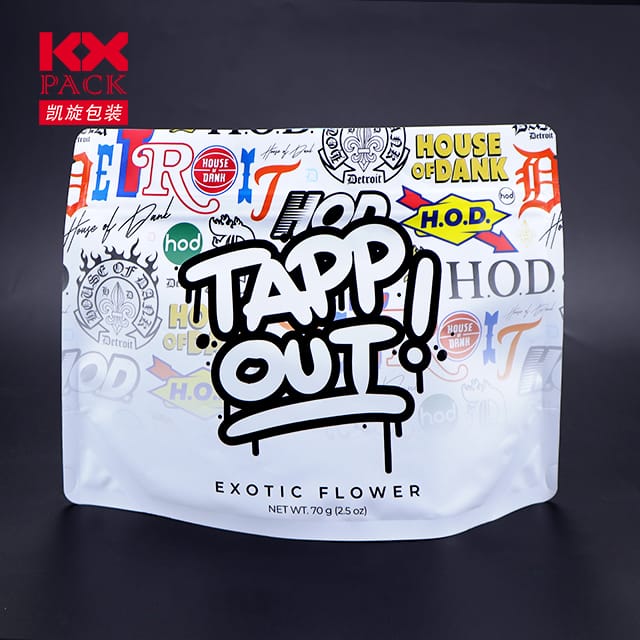
A espada de dois gumes do filme plástico para embrulho: Conveniência vs.. Impacto Ambiental(3)
Filme de plástico para embalagem
O filme plástico é onipresente em nossas vidas. De mercearias a armazéns de expedição, este material versátil envolve, protege, e preserva tudo, desde produtos frescos até eletrônicos frágeis. Mas à medida que as preocupações ambientais crescem, a questão paira: Podemos conciliar a conveniência do filme plástico com a necessidade urgente de reduzir o desperdício de plástico?? Vamos desvendar o papel do filme plástico na vida moderna e explorar alternativas sustentáveis.
Por que o filme plástico domina as embalagens
- Versatilidade & Custo-efetividade
Filme de plástico para embalagem (como polietileno, ou PE) é leve, flexível, e barato de produzir. Pode ser adaptado para vários usos - filme plástico, envoltório retrátil, plástico bolha, e mais. - Proteção de barreira
Protege os produtos da umidade, oxigênio, e contaminantes, prolongando a vida útil e reduzindo o desperdício de alimentos. Para empresas, isso significa menos perdas e clientes mais satisfeitos. - Transparência & Apelo de marketing
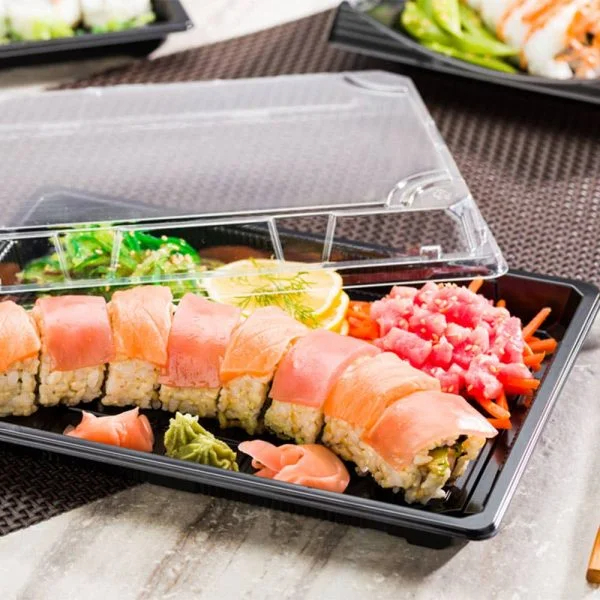
O filme plástico transparente permite que os produtos fiquem visíveis, aumentando o apelo do varejo. Para consumidores, fornece um “veja antes de comprar” vantagem.
O pedágio ambiental
- Não biodegradável: Filme plástico tradicional leva séculos para se decompor, contribuindo para aterros sanitários e poluição dos oceanos.
- Microplásticos: À medida que o plástico se decompõe, libera microplásticos que contaminam ecossistemas e entram na cadeia alimentar.
- Pegada de carbono: A produção depende de combustíveis fósseis, contribuindo para as emissões de gases com efeito de estufa.
Alerta de estado: A Fundação Ellen MacArthur estima que por 2050, o plástico pode superar os peixes no oceano.
Soluções Inovadoras & Alternativas
- Biodegradável & Filmes Compostáveis
- PLA (Ácido polilático): Derivado de amido de milho ou cana-de-açúcar, ele se decompõe em instalações de compostagem industrial.
- Pha (Poli -hidroxialkanoatos): Um plástico biodegradável produzido por fermentação microbiana.
- Filmes à base de plantas
Materiais como celulose (de polpa de madeira) ou ágar (de algas marinhas) oferecer compostável, opções não tóxicas. - Reutilizável & Sistemas Recicláveis
- Praços de cera de abelha: Um natural, alternativa lavável à película aderente.
- Tampas de silicone: Tampas duráveis para tigelas e recipientes.
- Embalagem retornável: Algumas empresas estão testando caixas ou recipientes de plástico reutilizáveis.
- Reciclagem química
Tecnologias emergentes decompõem polímeros plásticos em matérias-primas, permitindo a produção circular.
Como você pode fazer a diferença
- Reduzir: Opte por produtos soltos, comprar a granel, ou escolha produtos com embalagem mínima.
- Reutilizar: Reaproveite o filme plástico para tarefas como cobrir sobras ou proteger plantas.
- Reciclar: Verifique as diretrizes locais – algumas regiões aceitam filme plástico limpo para reciclagem.
- Apoie Eco-Marcas: Patrocine empresas que usam materiais compostáveis ou reciclados.
O futuro do filme plástico
Enquanto Filme de plástico para embalagem não vai embora durante a noite, o progresso está em andamento. Os governos estão aplicando regulamentações mais rigorosas (Por exemplo, a Diretiva de Plásticos de Uso Único da UE), e as indústrias estão investindo em alternativas mais verdes. Consumidores, também, manter o poder - exigindo sustentabilidade, impulsionamos o mercado em direção à inovação.
Considerações Finais
Filme de plástico para embalagem revolucionou as embalagens, mas o seu custo ambiental é inegável. Ao abraçar alternativas, reciclando com sabedoria, e apoiar marcas ecologicamente conscientes, podemos mitigar seu impacto. Vamos lutar por um futuro onde a conveniência e a sustentabilidade não sejam mutuamente exclusivas.
💡Para a ponta: Ao reciclar filme plástico, certifique-se de que esteja limpo e seco para evitar contaminação.
Qual é a sua estratégia para reduzir o uso de filme plástico? Compartilhe suas dicas nos comentários!
Palavras -chave: filme plástico para embrulhar, embalagem sustentável, filme plástico biodegradável, alternativas compostáveis, reduzir o desperdício de plástico, soluções de embalagens ecológicas