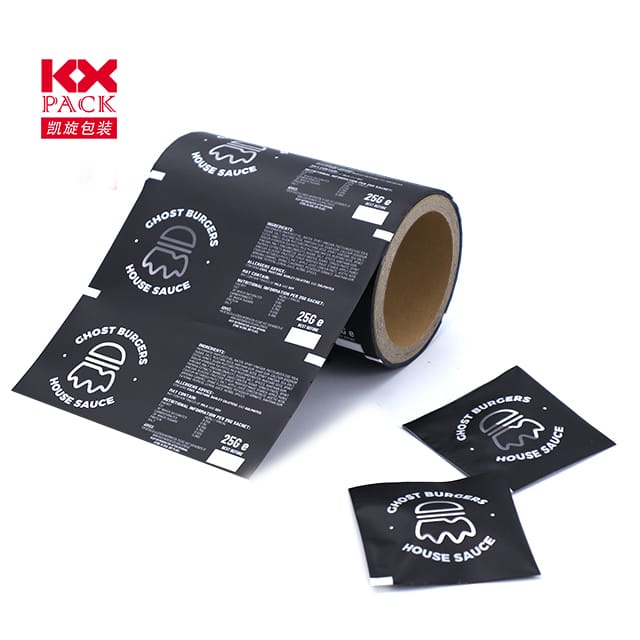
Fornecedores de filmes para embalagens de alimentos: Navegando no cenário da inovação e qualidade(9)
Filme para embalagem de alimentos
No mundo dinâmico das embalagens de alimentos, a escolha do fornecedor do filme pode fazer ou destruir a reputação de frescor de uma marca, segurança, e sustentabilidade. Desde prolongar a vida útil até melhorar o apelo visual, os filmes para embalagens de alimentos não são mais apenas camadas protetoras – são ferramentas estratégicas para diferenciação. Este blog explora os principais participantes, tendências, and innovations shaping the global food packaging film market, helping buyers make informed decisions.
1. The Rise of High-Barrier Films: Preservando o frescor, Reducing Waste
Modern consumers demand convenience without compromising quality, driving demand forfilmes de alta barreira that block oxygen, umidade, e luz ultravioleta. Suppliers likeZhongsu New Materials Technology (Hangzhou) e常州市华健药用包装材料有限公司 (Huajian Package) are leading the charge with multilayer co-extruded films that combine materials like PA (nylon), EVOH (álcool etileno vinílico), e PE (polietileno) for unmatched performance.
- Principais recursos:
- Oxygen barrier: EVOH layers reduce oxidation, preserving flavors in snacks, café, e carnes.
- Moisture resistance: PA/PE composites prevent sogginess in baked goods and cereals.
- Proteção UV: Ideal for light-sensitive products like dairy and pharmaceuticals.
Por exemplo, Huajian’sHigh Barrier Film Series (AHE) offers a 100–280µm thickness range with EVOH barriers, while Zhongsu’s7-layer blown film lines produce transparent, heat-sealable films for fresh meat packaging.
2. Sustentabilidade: From Recyclable to Biodegradable
With global regulations tightening on single-use plastics, suppliers are innovating with eco-friendly alternatives:
- Recyclable laminates: Qingdao RAJ Packaging combines PET, AL (alumínio), and PE in recyclable structures for coffee pouches and pet food bags.
- Filmes biodegradáveis: Some manufacturers are exploring PLA (ácido polilático) e materiais à base de amido, though cost and performance hurdles remain.
- Filmes mais finos: Suppliers like Jieshou Tianhong New Material optimize material use with 15–60µm PVC twist films for candy packaging, reducing waste without sacrificing strength.
3. Personalização: Branding Through Packaging
In a crowded market, packaging is a critical branding tool. Leading suppliers offer:
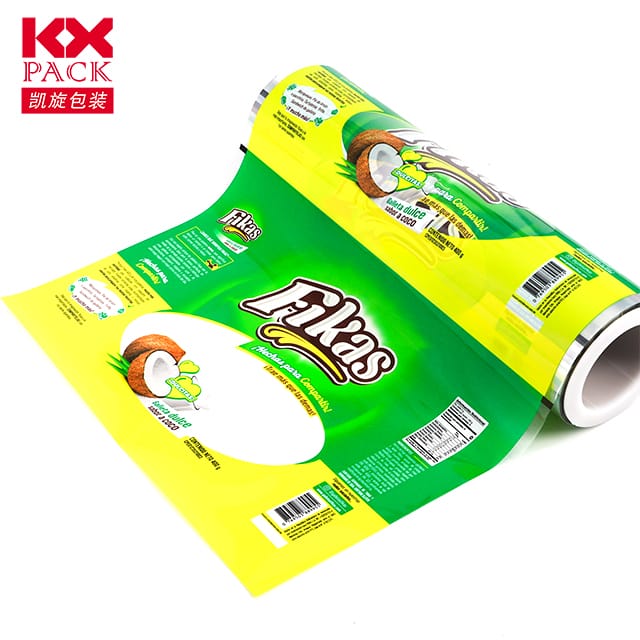
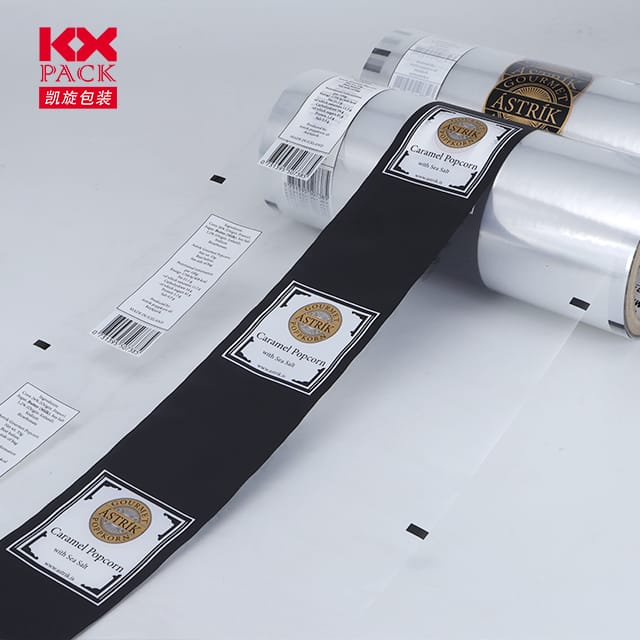
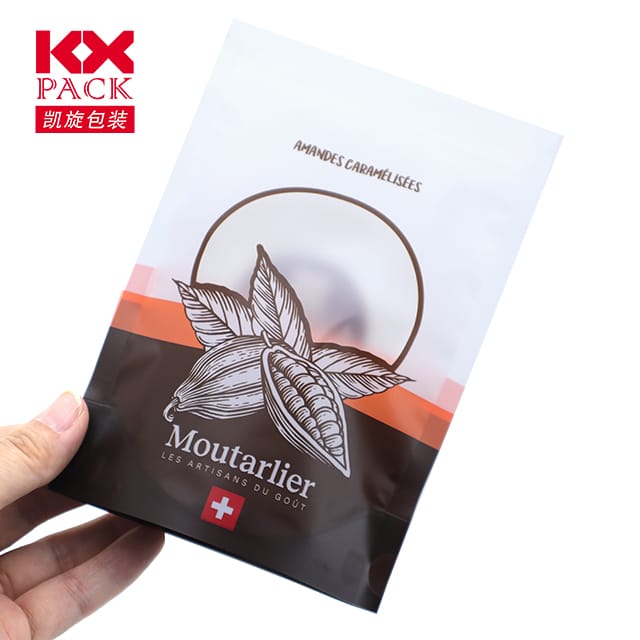
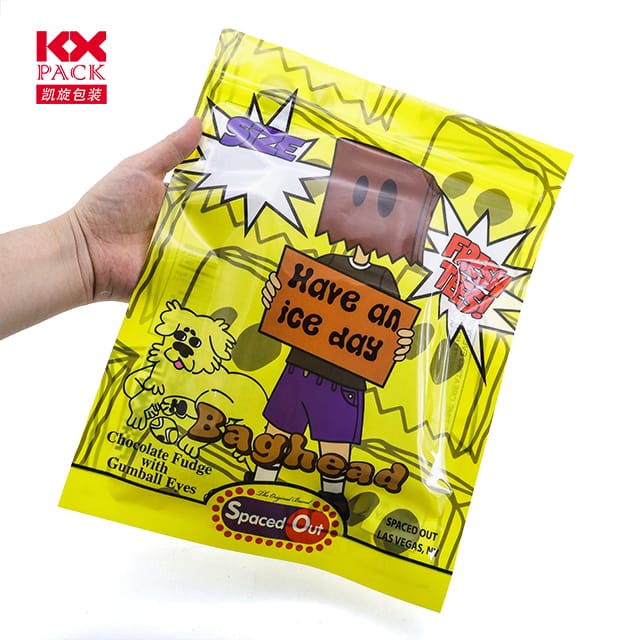
- Impressão digital: Guangdong Danqing Printing uses gravure printing for vibrant, high-resolution graphics on cookie and biscuit films.
- Anti-counterfeiting features: Holographic patterns and QR codes embedded in films (Por exemplo, 汕头市凯旋包装有限公司 (KXPACK)) protect against fraud.
- Functional add-ons: Easy-peel layers, zíperes reutilizáveis, and spouts for convenience foods (Por exemplo, KXPACK’s spout pouches for sauces).
4. Cost-Effective Solutions for SMEs
Not all brands need premium films. Budget-conscious buyers can turn to suppliers offering:
- Medium-barrier films: Huajian’s Middle Barrier Film Series (AAE) uses PA/PE for cost-effective moisture resistance.
- Jumbo rolls: Zhongsu supplies 50–350µm PE films in bulk, cutting costs for large-scale packaging lines.
- Stock designs: Qingdao RAJ offers pre-printed patterns for quick turnaround on dried fruit and snack bags.
5. Global Suppliers to Watch
- China-based leaders:
- KXPACK: Specializes in custom laminated films for coffee, comida para animais de estimação, e produtos farmacêuticos, with FDA and BRC certifications.
- Zhongsu New Materials: Focuses on high-performance co-extruded films for fresh and frozen foods.
- Huajian Package: Offers barrier solutions for meat and industrial products, with adjustable thickness for diverse applications.
- International players:
- MULTIVAC Group: Known for flow-pack films for modified atmosphere packaging (MAPA).
- Coverpan S.L. (Espanha): Provides biodegradable options for organic food brands.
Como escolher o fornecedor certo?
- Certificações: Procure a FDA, ISO, and BRC approvals for food safety compliance.
- Experiência em materiais: Ensure the supplier understands your product’s needs (Por exemplo, oxygen sensitivity for chips vs. moisture for cookies).
- Capacidades de personalização: Can they print your brand colors accurately? Add anti-counterfeit features?
- MOQ and lead times: Small brands may prefer suppliers with low minimum order quantities (Por exemplo, Qingdao RAJ’s 10,000-bag MOQ).
O futuro dos filmes de embalagem de alimentos
À medida que a tecnologia avança, expect:
- Filmes inteligentes: Sensors that detect spoilage or temperature changes (Por exemplo, time-temperature indicators for perishables).
- Embalagem comestível: Films made from seaweed or starch for “zero-waste” snacks.
- Design baseado em IA: Suppliers using machine learning to optimize film structures for specific products.
Considerações Finais
O mercado de filmes para embalagens de alimentos está evoluindo rapidamente, driven by sustainability, personalização, e inovação. Whether you’re a multinational brand or a local bakery, partnering with the right supplier can enhance product quality, reduzir custos, and strengthen your environmental footprint.
Which trend matters most to your brand? Compartilhe sua opinião nos comentários abaixo!
Palavras -chave: fornecedores de filmes para embalagens de alimentos, filmes de alta barreira, embalagem sustentável, custom food packaging, China suppliers