A evolução e inovação do filme plástico de qualidade alimentar: Garantindo Segurança e Sustentabilidade
Filme plástico de grau alimentar
In today’s food industry, filme plástico de grau alimentar stands as a cornerstone of packaging innovation, equilibrando a segurança, funcionalidade, e responsabilidade ambiental. À medida que a procura global por alimentos embalados aumenta, o mesmo acontece com a necessidade de materiais avançados que protejam os produtos sem comprometer a saúde ou o planeta. Let’s delve into the world of food grade plastic films—their types, Aplicações, risks, e tendências futuras.
What Makes a Plastic Film “Grau Alimentar”?
Food grade plastic films are engineered to meet stringent safety standards set by regulatory bodies like theNÓS. FDA (Code of Federal Regulations Title 21) e oEU’s 10/2011 regulation. These materials must:
- Not leach harmful chemicals em comida.
- Withstand temperature variations during storage, transporte, and heating.
- Resist degradation from acids, fats, or moisture in food.
- Be traceable to ensure compliance with safety protocols.
Common food grade polymers include:
- Polietileno (EDUCAÇAO FISICA): PEAD (rigid containers) and LDPE (filmes flexíveis, cling wraps).
- Polipropileno (PP): Microwave-safe containers, thermoformed trays.
- Tereftalato de polietileno (BICHO DE ESTIMAÇÃO): Transparent bottles, blister packs.
- Cloreto de polivinil (PVC): Used cautiously due to potential phthalate migration.
- Bio-based Alternatives: PLA (ácido polilático) and starch-based composites for eco-friendly options.
Key Applications in Food Packaging
- Varejo & Consumer Packaging
- Produtos Frescos: LDPE films extend shelf life by regulating oxygen and moisture.
- Laticínio & Bebidas: HDPE jugs and PET bottles dominate for their lightweight durability.
- Refeições prontas para comer: PP trays withstand microwave heating (up to 120°C).
- Industrial & Bulk Handling
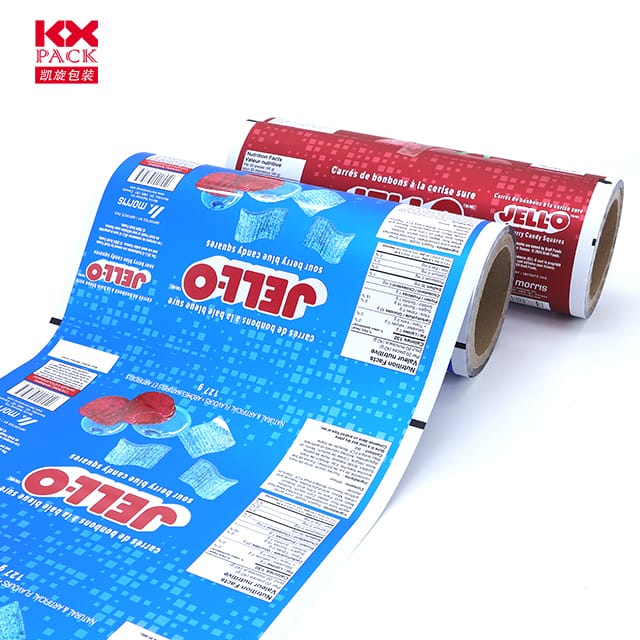
- Filmes de alta barreira: Multi-layer structures (Por exemplo, PA/EVOH/PE) prevent oxygen ingress for meat, queijo, e café.
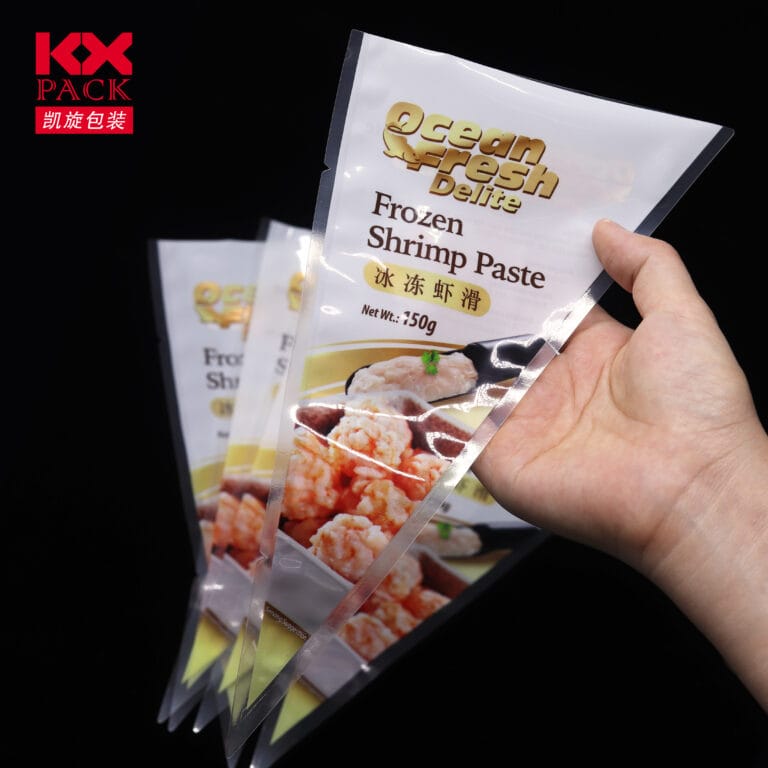
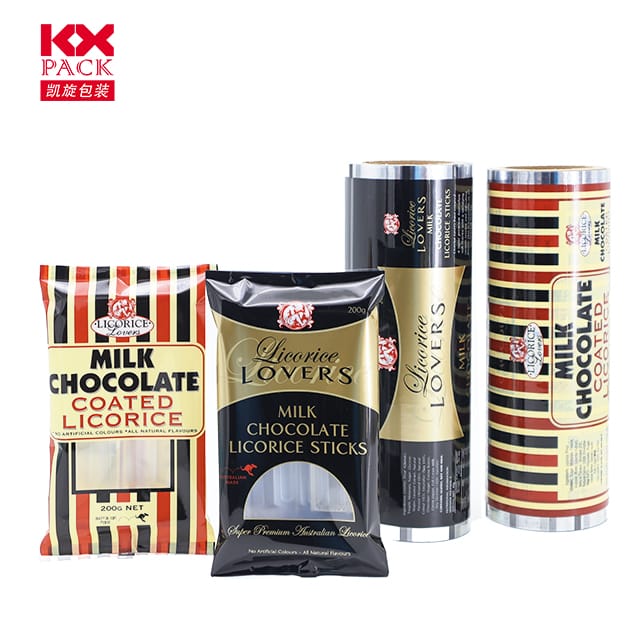
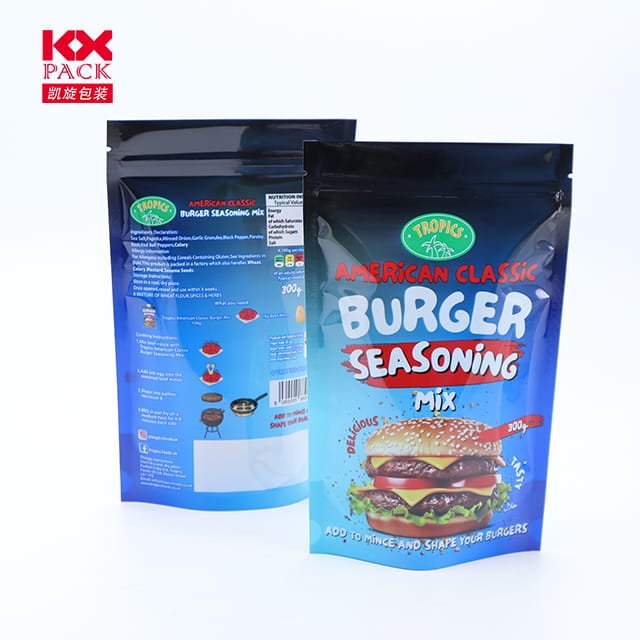
- Flexible Pouches: Stand-up pouches with zippers and spouts enhance convenience.
- Specialty Uses
- Modified Atmosphere Packaging (MAPA): Films adjust gas composition to slow spoilage.
- Etiquetas inteligentes: Temperature-sensitive inks or QR codes track freshness.
Risks and Challenges
Apesar de seus benefícios, food grade plastic films face scrutiny:
- Chemical Migration: High temperatures or acidic foods may cause additives (Por exemplo, plasticizers) to leach.
- Microplásticos: Fragmentation during use or disposal raises environmental concerns.
- Recycling Hurdles: Mixed-material laminates (Por exemplo, aluminum/PET) complicate recycling.
Sustainable Innovations Shaping the Future
The industry is pivoting toward eco-conscious solutions:
- Biodegradável & Filmes Compostáveis
- PLA, derivado de amido de milho, decomposes in industrial composting facilities.
- Pha (polihidroxialcanoatos) offers marine-degradable options.
- Recyclability Advancements
- Monomaterial Designs: All-PE or all-PP structures simplify recycling.
- Reciclagem química: Breaks down plastics into raw materials for new films.
- Impulso regulatório
- O Diretiva da UE relativa aos plásticos de utilização única bans non-recyclable films by 2030.
- China’s GB 4806.7-2023 standardizes food contact materials, encouraging domestic innovation.
- Tech-Driven Solutions
- Nanocoatings: Enhance barrier properties without adding thickness.
- Embalagem Ativa: Incorporates antioxidants or antimicrobial agents.
Consumer Tips for Safe Usage
- Avoid Heating PVC or PS Films: These may release toxins.
- Check Recycling Codes: #2 (PEAD), #4 (PEBD), e #5 (PP) are safer choices.
- Limit Single-Use Films: Opt for reusable silicone lids or beeswax wraps.
A estrada à frente
The food grade plastic film market is projected to reach$51.9 bilhão por 2030, dirigido por:
- Mercados Emergentes: Rising middle classes in Asia and Africa demand packaged food.
- E-commerce Growth: Online grocery sales rely on durable, leak-proof films.
- Circular Economy Goals: Brands like Nestlé and Coca-Cola pledge 100% embalagens recicláveis por 2025.
Conclusão
Food grade plastic films are indispensable to modern food systems, but their future hinges on innovation and responsibility. By embracing bio-based materials, improving recyclability, and adhering to strict safety standards, the industry can meet consumer demands while safeguarding health and the environment.
Como consumidores, let’s advocate for transparency and sustainability—because the films that wrap our food should protect more than just its freshness.
What’s your take on food grade plastic films? Compartilhe sua opinião nos comentários abaixo! 🌱🍎📦