A evolução e o impacto das embalagens flexíveis de filme plástico nas indústrias modernas
Embalagem de filme plástico flexível
Nos últimos anos, embalagens flexíveis de filme plástico emergiram como a base das soluções modernas de embalagens, revolucionando indústrias de alimentos e bebidas a produtos farmacêuticos e bens de consumo. É leve, versátil, e a natureza econômica tornou indispensável, mas a sua crescente prevalência também levanta questões críticas sobre a sustentabilidade e a responsabilidade ambiental. Let’s explore the rise of flexible plastic film packaging, seus benefícios, desafios, and the innovations shaping its future.
What Is Flexible Plastic Film Packaging?
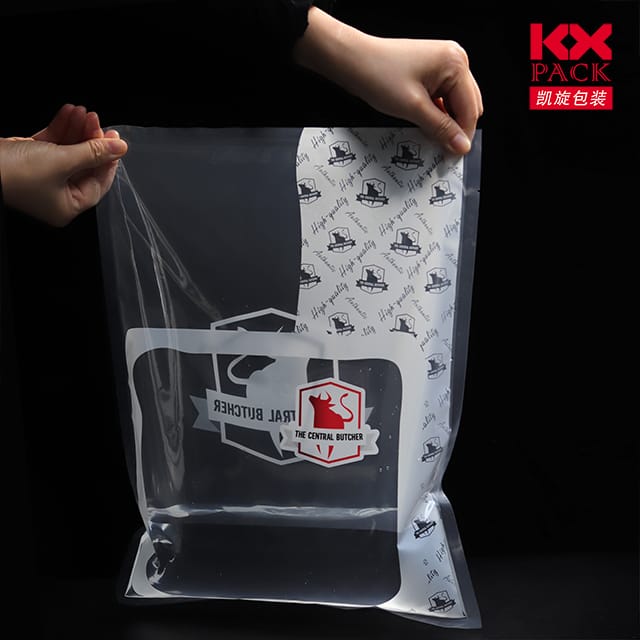
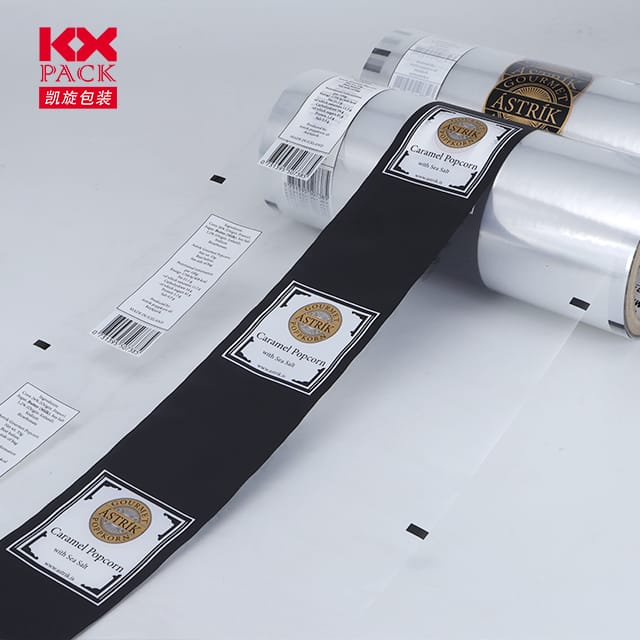
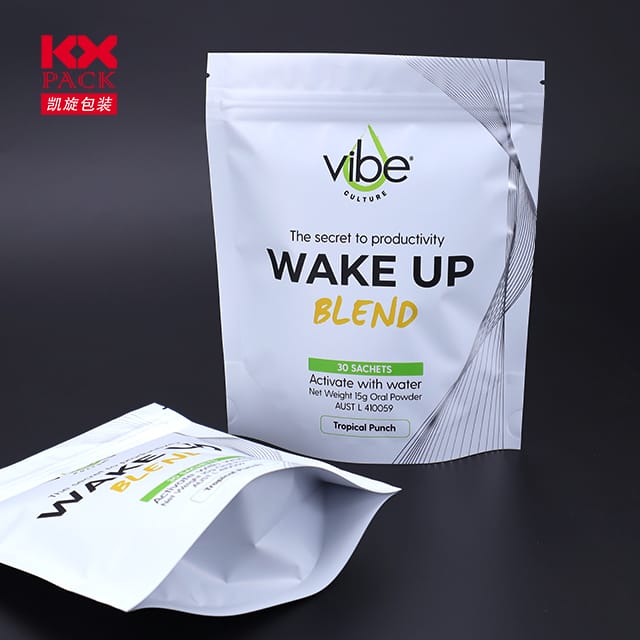
Flexible plastic film packaging refers to thin, pliable sheets made from polymers such as polyethylene (EDUCAÇAO FISICA), polipropileno (PP), poliéster (BICHO DE ESTIMAÇÃO), or biodegradable alternatives like PLA (ácido polilático). These films are used to create pouches, bolsas, embrulhos, and liners that protect products from moisture, oxigênio, luz, e contaminação. Ao contrário das embalagens rígidas (Por exemplo, vidro ou metal), flexible films can be molded into custom shapes, reducing material waste and enabling efficient storage and transportation.
Why Is It So Popular?
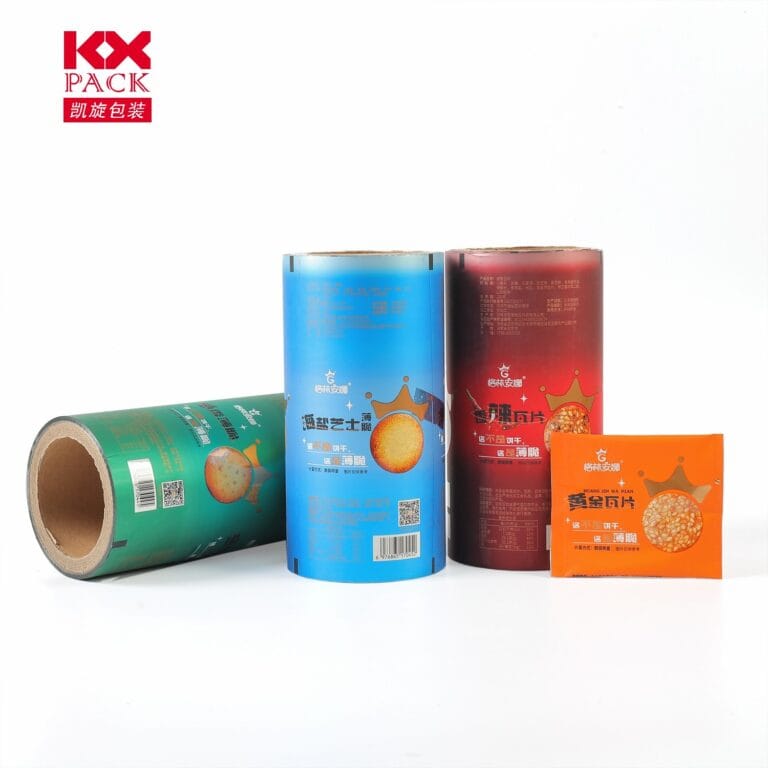
- Versatilidade: Flexible films adapt to diverse products, from fresh produce and snacks to cosmetics and medical supplies. They can be printed with vibrant graphics, Melhorando a visibilidade da marca.
- Eficiência de custos: Manufacturing flexible films requires less energy and raw materials compared to rigid alternatives, lowering production costs.
- Vida útil estendida: Multi-layer films with barrier properties (Por exemplo, eliminadores de oxigênio) preservar o frescor, reduzindo o desperdício de alimentos.
- Conveniência: Zíperes resseláveis, bicos, and easy-tear features improve user experience, particularly in on-the-go consumption.
Environmental Challenges
Apesar de suas vantagens, flexible plastic film packaging faces scrutiny for its environmental impact:
- Não biodegradável: Most films are derived from fossil fuels and persist in landfills for centuries.
- Barreiras de reciclagem: Thin, multi-layered structures are often incompatible with traditional recycling systems, leading to low recycling rates (estimated at just 5–10% globally).
- Poluição Microplástica: Improper disposal can fragment films into microplastics, contaminating ecosystems.
Inovações que impulsionam a sustentabilidade
The industry is responding with groundbreaking solutions to mitigate environmental harm:
- Filmes biodegradáveis e compostáveis: Materials like PLA (made from corn starch) e PHA (polihidroxialcanoatos) break down naturally under specific conditions.
- Tecnologias Avançadas de Reciclagem: Chemical recycling processes can convert mixed plastic waste into reusable feedstock, enabling circular economy models.
- Mono-Material Designs: Replacing multi-layer films with single-polymer structures improves recyclability without sacrificing performance.
- Sistemas de embalagens reutilizáveis: Brands are experimenting with refillable pouches and take-back programs to reduce single-use waste.
The Future of Flexible Packaging
À medida que cresce a procura dos consumidores por opções ecológicas, manufacturers face pressure to innovate. Governments are also stepping in with regulations like extended producer responsibility (Epr) leis, which hold companies accountable for packaging waste.
The key to a sustainable future lies in balancing functionality with environmental stewardship. By investing in biodegradable materials, scalable recycling infrastructure, e educação do consumidor, the industry can transform flexible plastic film packaging into a solution that benefits both businesses and the planet.
Conclusão
Flexible plastic film packaging is a testament to human ingenuity, offering unmatched convenience and efficiency. No entanto, its environmental footprint demands urgent action. Through collaboration between innovators, formuladores de políticas, e consumidores, we can ensure this versatile material evolves into a cornerstone of sustainable packaging—proving that progress and responsibility can go hand in hand.
What are your thoughts on flexible plastic film packaging? Compartilhe suas ideias nos comentários abaixo!
Palavras -chave: embalagem de filme plástico flexível, embalagem sustentável, filmes biodegradáveis, recycling innovation, economia circular