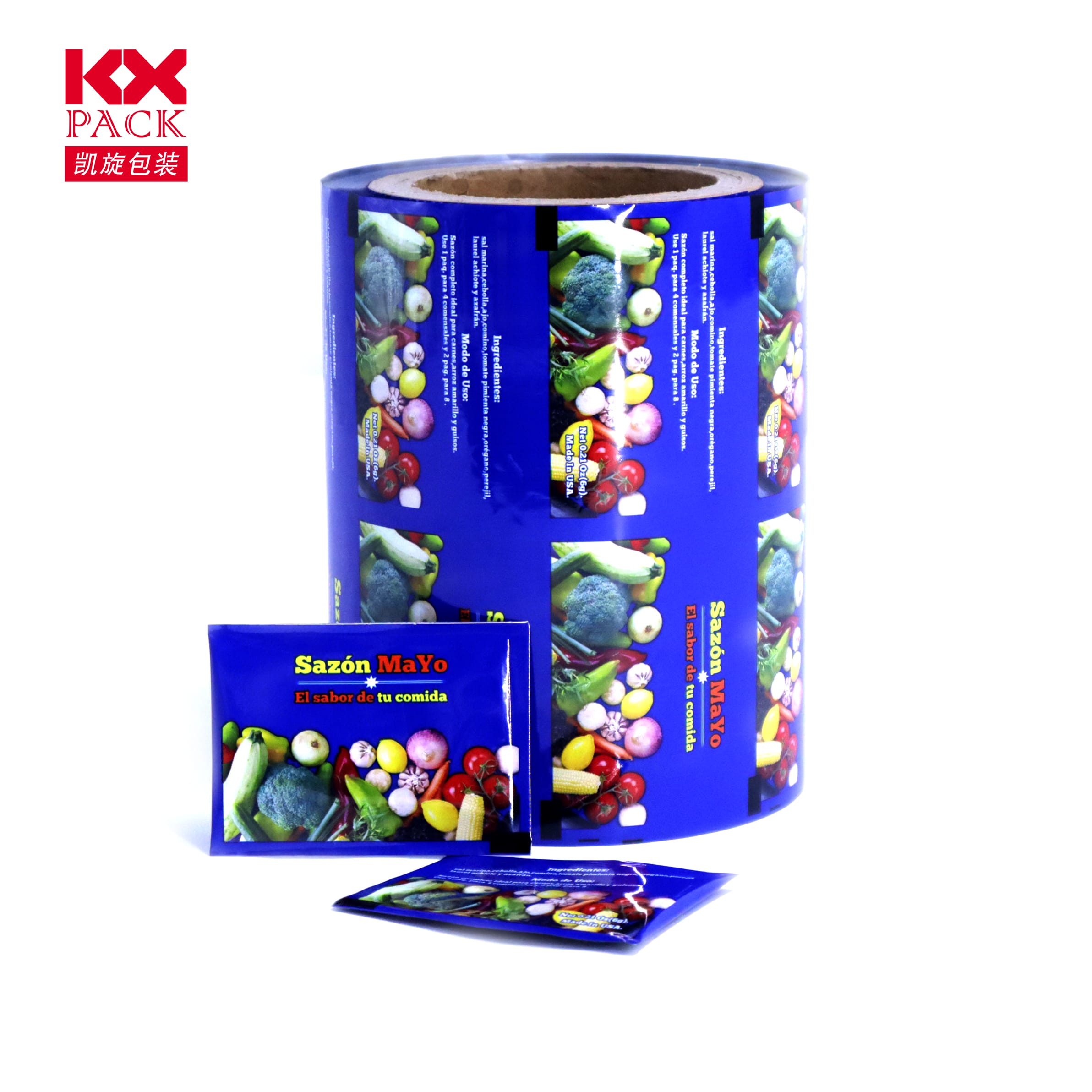
Embalagem de filme plástico flexível: O futuro de Smart, Sustentável, e embalagem versátil
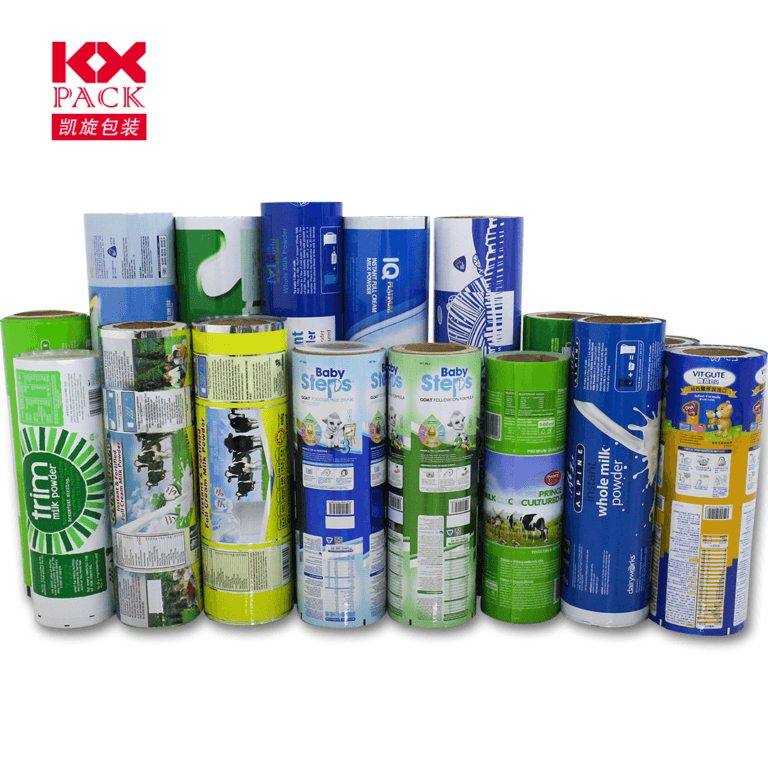
Embalagem de filme plástico flexível
In a world where convenience, sustentabilidade, e a diferenciação da marca é fundamental, embalagem de filme plástico flexível has emerged as a revolutionary solution. De alimentos e produtos farmacêuticos a eletrônicos e comércio eletrônico, Este leve, O material adaptável está remodelando como os produtos são protegidos, apresentado, e consumido. Let’s dive into why flexible plastic films are dominating the packaging industry—and how they’re evolving to meet tomorrow’s challenges.
Why Flexible Plastic Film Packaging? The Core Advantages
1. Unmatched Versatility
Flexible plastic films—such asBopp (Polipropileno biaxialmente orientado), BICHO DE ESTIMAÇÃO (Tereftalato de polietileno), e PE (Polietileno)—can be engineered to meet diverse needs:
- Proteção de barreira: Multi-layer films block oxygen, umidade, e luz ultravioleta, extending shelf life by up to 50% for perishables like snacks and coffee.
- Formability: Thermoformable films mold precisely around products, reduzindo o desperdício de material em comparação com embalagens rígidas.
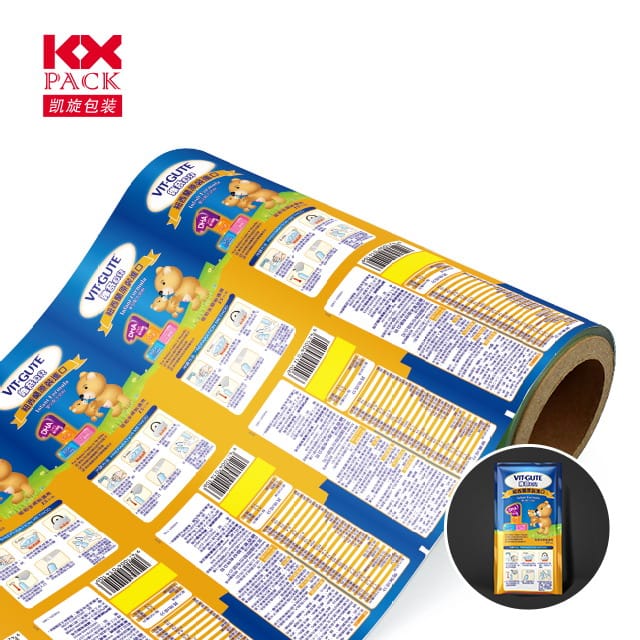
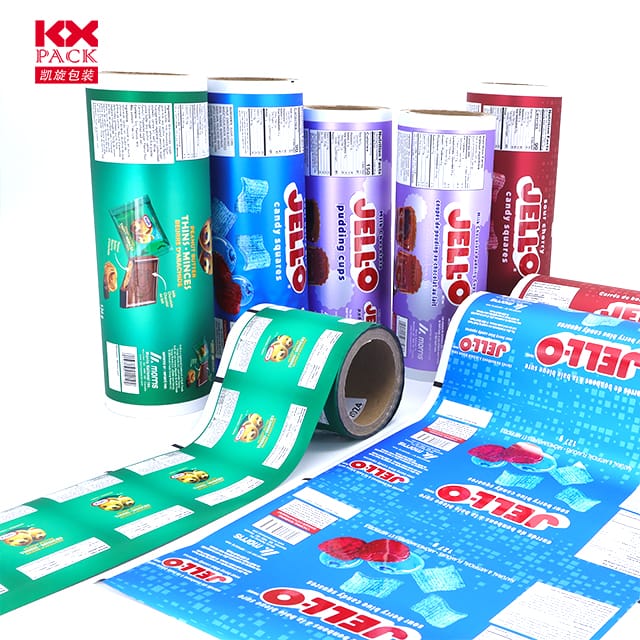
- Transparência & Imprimibilidade: Clear Films Showcase Products, while high-definition printing options (Por exemplo, Flexografia, digital, ou gravura) enable vibrant branding without labels.
2. Sustainability in Focus
O global Embalagem de filme plástico flexível mercado, avaliado em $341.6 bilhão por 2028, is driven by eco-conscious innovations:
- Filmes Recicláveis: Estruturas mono-material (Por exemplo, bolsas totalmente PE) are easier to recycle than traditional multi-layer laminates.
- Opções biodegradáveis: Filmes feitos a partir PLA (Ácido polilático) ou Pha (Poli -hidroxialkanoatos) decompose within 6–18 months under industrial composting.
- Leveza: Flexible films use 70% less plastic than rigid alternatives, cutting transportation emissions and material costs.
3. Eficiência de custos & Escalabilidade
- Production Speed: High-speed flexographic printing (até 1,500 feet per minute) makes flexible films ideal for mass-market brands.
- Reduced Storage Costs: Rolls of film occupy 80% less space than pre-formed containers, optimizing warehouse efficiency.
- Personalização sob demanda: Digital printing enables small-batch runs with zero setup costs, perfect for niche products or seasonal campaigns.
Principais aplicações entre as indústrias
1. Comida & Bebida
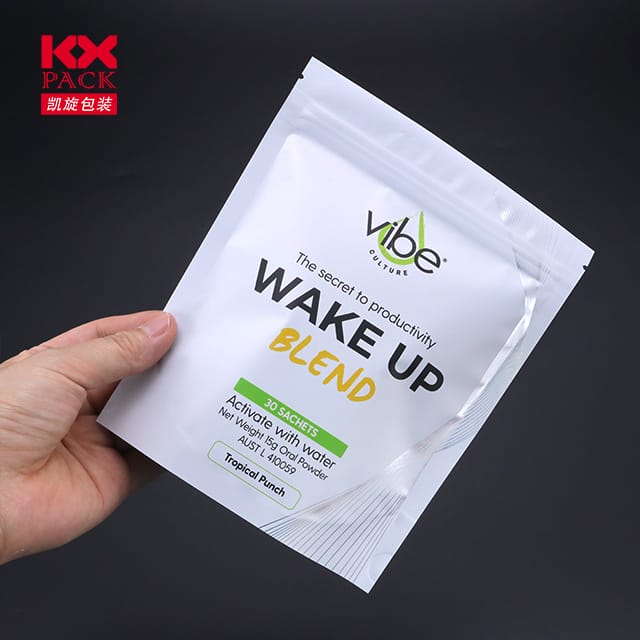
- Bolsas Stand-Up: Replacing cans and jars for soups, nozes, and pet food, these pouches use 60% less material and feature resealable zippers.
- Embalagem com atmosfera modificada (MAPA): Films with oxygen scavengers preserve freshness for meats and produce.
- Retort Pouches: Sterilizable films withstand high temperatures, ensuring safety for ready-to-eat meals.
2. Farmacêuticos & Assistência médica
- Child-Resistant Pouches: Embalagem de filme plástico flexível with tamper-evident seals meet safety regulations for medications.
- Cold-Form Blister Packs: Aluminum-laminated films protect light-sensitive drugs from degradation.
3. Comércio eletrônico & Logística
- Air Cushion Films: Inflatable plastic films replace Styrofoam peanuts, reducing shipping damage by 90%.
- Filmes Antiestáticos: Safeguard electronics from electrostatic discharge during transit.
Technological Innovations Driving the Market
1. Integração de embalagens inteligentes
- NFC Tags & QR Codes: Embedded in films, these enable consumers to scan for product authenticity, recycling instructions, or promotional content.
- Indicadores de tempo-temperatura (ITTs): Color-changing labels on perishable goods alert retailers to spoilage risks.
2. Advanced Manufacturing Techniques
- Nano-Coatings: Ultra-thin layers enhance barrier properties without adding weight.
- Laser Scoring: Precision cuts allow easy opening while maintaining package integrity during shipping.
3. Circular Economy Solutions
- Reciclagem química: Breaks down mixed plastics into reusable monomers, enabling infinite recycling loops.
- Upcycling Initiatives: Empresas como Dow e Amcor are converting post-consumer films into new Embalagem de filme plástico flexível Materiais.
Desafios & Tendências Futuras
1. Reciclagem de lacunas na infraestrutura
Apenas14% of flexible packaging is recycled globally, largely due to contamination and lack of collection systems. Solutions include:
- Standardized Labeling: Clear recycling instructions to educate consumers.
- Deposit Return Schemes (DRS): Incentivizing returns of used films.
2. Pressões Regulatórias
Governments are imposing stricter rules on single-use plastics. Por exemplo, oDiretiva da UE relativa aos plásticos de utilização única bans non-recyclable films by 2030.
3. The Rise of Bio-Based Alternatives
By 2030,30% of flexible films are expected to be plant-derived, reducing reliance on fossil fuels.
Conclusão: Flexibility Is the Future
Flexible plastic film packaging isn’t just a trend—it’s a strategic imperative for brands aiming to balance performance, sustentabilidade, e custo. As innovations likesmart sensors, compostable materials, and closed-loop recycling gain traction, the possibilities are endless.
Para empresas: Embrace flexibility by partnering with suppliers who prioritize circular design and transparent sustainability reporting.
Para consumidores: Look for brands using recyclable or compostable films, and recycle properly to close the loop.
The packaging revolution is here—and it’s flexible. 🌱✨
What’s your favorite example of innovative flexible packaging? Compartilhe seus pensamentos abaixo!