Embalagem de filme flexível: O futuro da sustentável, Versátil, e proteção de produto inteligente
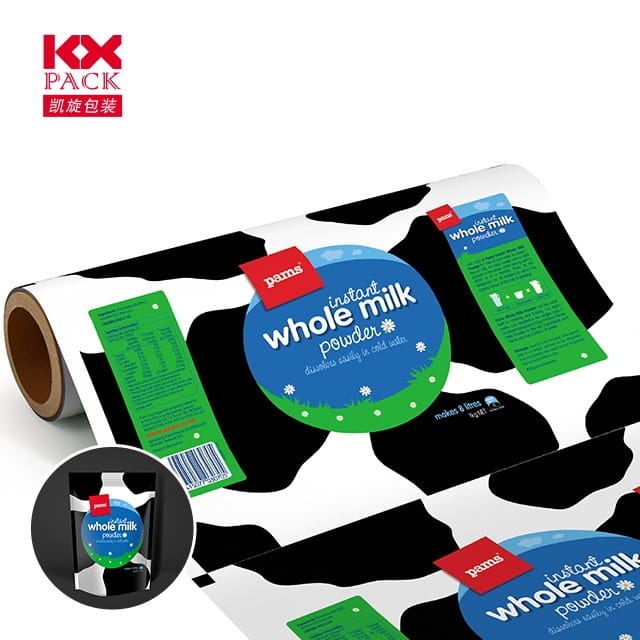
Embalagem de filme flexível
In a world where convenience, sustentabilidade, e inovação dirigem escolhas de consumidores, flexible film packaging emergiu como um divisor de águas em todos os setores. De comida e bebidas a produtos farmacêuticos e cosméticos, Este leve, O material adaptável está redefinindo como os produtos são armazenados, transportado, e apresentado. Mas o que torna a embalagem flexível de filme tão revolucionária? Vamos descompactar seus benefícios, desafios, e tendências futuras.
Why Flexible Film Packaging? The Key Advantages
- Leve & Eficiente em termos de espaço
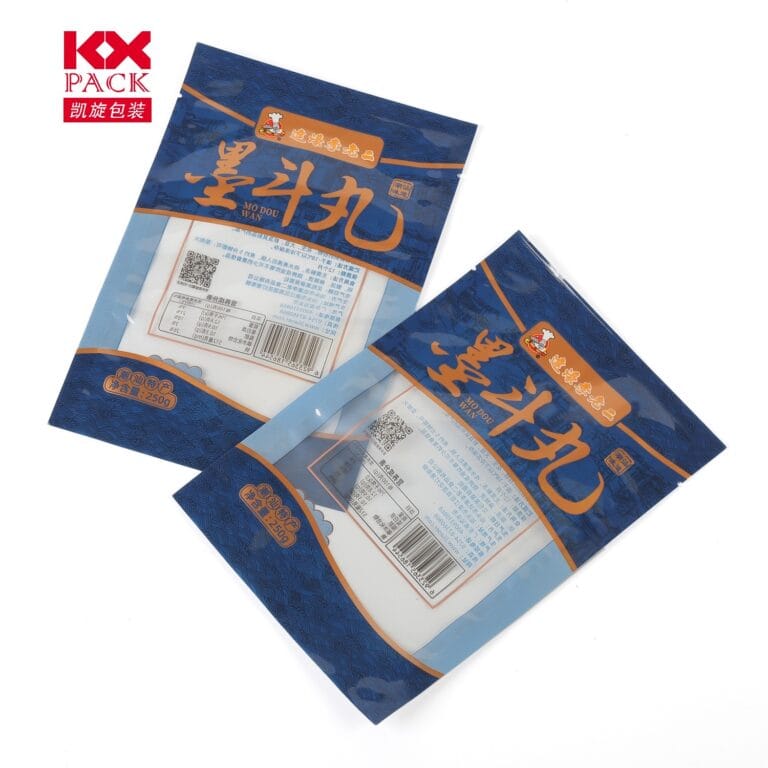
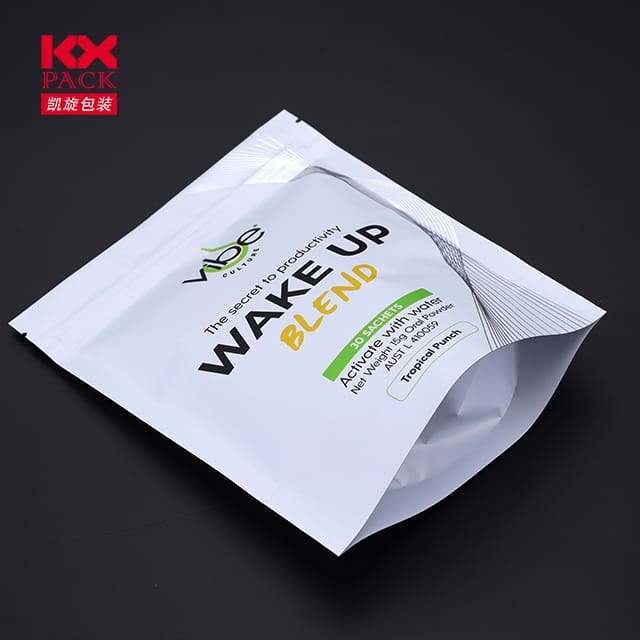
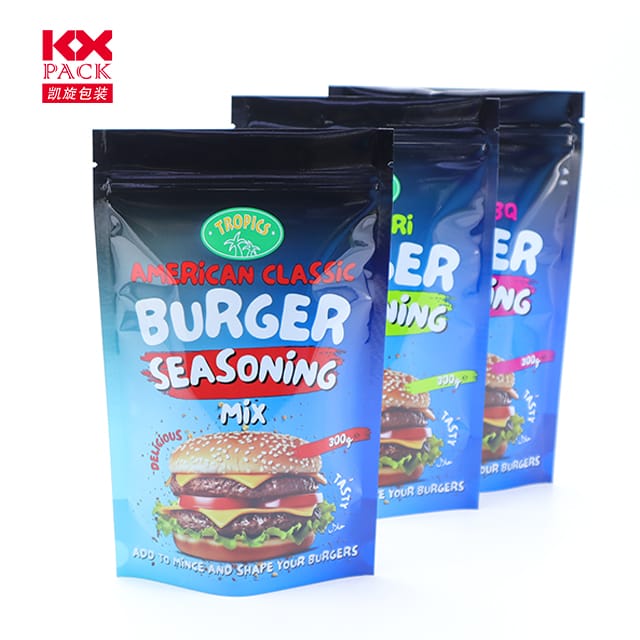
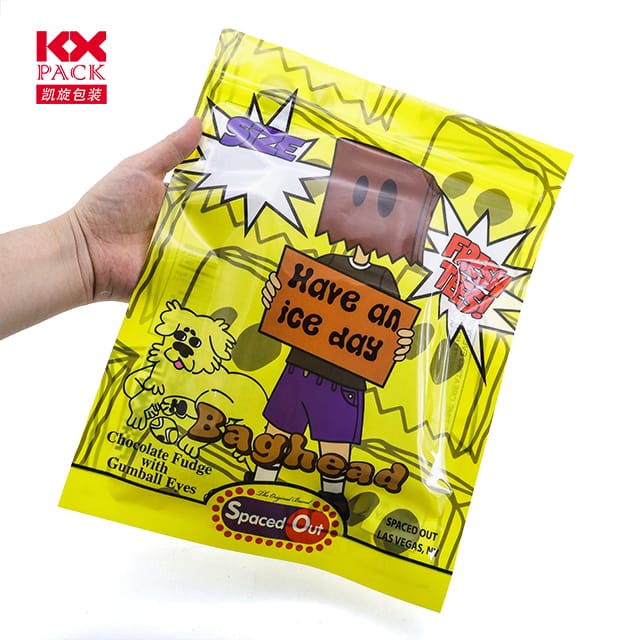
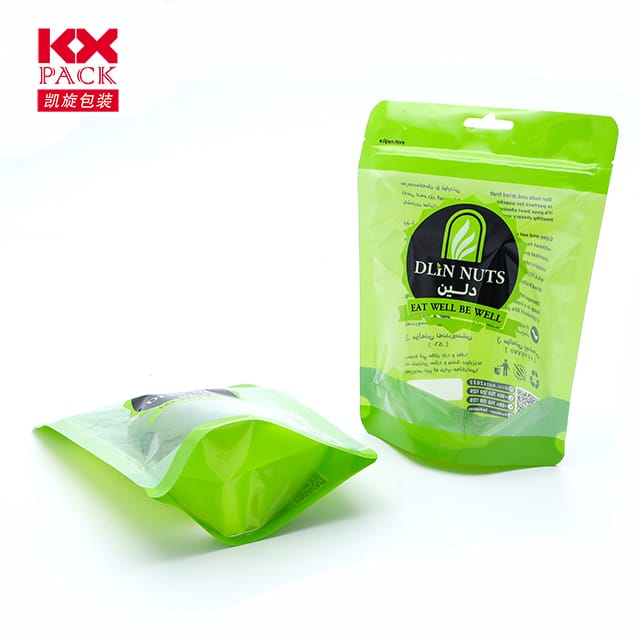
Embalagem de filme flexível (think pouches, bolsas, e embrulhos) weigh significantly less than rigid packaging like glass or metal. This reduces shipping costs, lowers carbon footprints, and maximizes shelf space in stores. - Unmatched Versatility
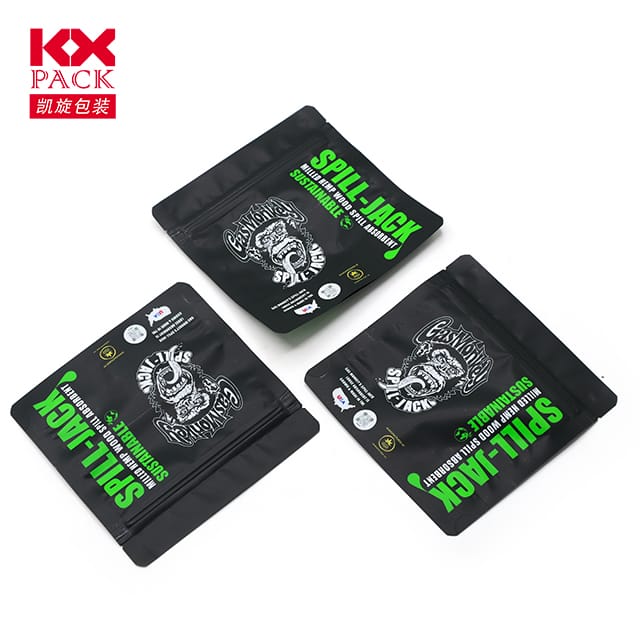
Whether it’s a stand-up pouch for snacks, a vacuum-sealed bag for meat, or a multi-layer film for sensitive electronics, flexible packaging adapts to any product’s needs. It can be printed with vibrant graphics, resealable zips, or easy-tear notches for user convenience. - Vida útil estendida
Advanced barrier films (made from materials like polyethylene, alumínio, ou polímeros biodegradáveis) protect against oxygen, umidade, luz, e contaminantes. This keeps products fresher for longer—critical for perishables like coffee, queijo, or baby food. - Eco-Friendly Potential
While traditional plastics face scrutiny, flexible films are evolving. As inovações incluem compostable materials, recyclable mono-structures, e thinner films that use less raw material without sacrificing strength.
Industries Reaping the Benefits
- Comida & Bebida: From single-serve coffee pods to frozen veggie pouches, flexible packaging reduces waste and preserves flavor.
- Farmacêuticos: Child-resistant blister packs and moisture-proof sachets ensure medication safety.
- Cosméticos & Cuidados Pessoais: Travel-sized tubes, resealable shampoo pouches, and airless pump bottles enhance user experience.
- Varejo & Comércio eletrônico: Lightweight packaging lowers shipping costs for online orders, while eye-catching designs boost brand appeal.
Desafios & the Path to Sustainability
Apesar de suas vantagens, flexible film packaging faces hurdles:
- Reciclabalidade: Many multi-layer films (combining plastic, alumínio, e papel) are difficult to recycle.
- Percepção do Consumidor: Plastic waste concerns push brands toward alternatives, even if flexible films are often more sustainable than rigid options when considering full lifecycle impacts.
- Pressões Regulatórias: Governments are imposing stricter rules on single-use plastics, accelerating the need for eco-friendly solutions.
Soluções no horizonte:
- Filmes monomateriais: Using a single polymer (como PE ou PP) simplifies recycling.
- Industrial Composting: Certified compostable films break down in 180 days under industrial conditions.
- Reciclagem química: Advanced processes convert mixed plastics back into raw materials.
Innovations Shaping the Future
- Active & Intelligent Packaging
Films embedded with sensors can detect spoilage (Por exemplo, freshness indicators on meat packaging) or release antioxidants to preserve products. - Filmes comestíveis
Made from seaweed, amido, ou proteínas, these biodegradable coatings could replace plastic wrappers for items like candy or fresh produce. - Etiquetas inteligentes
QR codes or NFC chips on packaging enable traceability, anti-counterfeiting, and personalized consumer engagement.
How Brands Can Embrace Flexible Films Responsibly
- Prioritize Recyclable/Compostable Options: Partner with suppliers offering certified eco-friendly materials.
- Educate Consumers: Clearly label recycling instructions and promote reuse (Por exemplo, resealable pouches for storage).
- Design para Circularidade: Avoid mixed materials if possible and advocate for improved recycling infrastructure.
Considerações Finais: Um futuro flexível
Flexible film packaging isn’t just a trend—it’s a response to modern demands for efficiency, sustentabilidade, e inovação. While challenges remain, advancements in material science and recycling technology are paving the way for a greener future.
Como consumidores, we can support brands that prioritize eco-friendly flexible packaging. As businesses, investing in sustainable solutions isn’t just good for the planet—it’s a smart strategy for staying competitive in an evolving market.
The next time you unzip a snack pouch or peel open a coffee bag, lembrar: that thin, flexible film is a tiny marvel of engineering—and it’s here to stay.
Compartilhe seus pensamentos: Have you noticed a shift toward flexible packaging in your favorite products? Vamos discutir nos comentários! 🌱📦💡