Rola i innowacje tworzyw sztucznych filmów opakowaniowych we współczesnym przemyśle (5)
Filmy opakowaniowe plastikowe
W dzisiejszym dynamicznym świecie konsumentów, plastikowe folie opakowaniowe are ubiquitous yet often overlooked. Od ochrony świeżych produktów po konserwację elektroniki, te cienkie, elastyczne materiały odgrywają kluczową rolę w ochronie produktów, przedłużenie okresu trwałości, i ograniczenie ilości odpadów. Jednakże, Jak obawy związane z środowiskiem, branża ewoluuje, aby zrównoważyć funkcjonalność ze zrównoważonym rozwojem. Let’s explore the science, Zastosowania, and future of plastic packaging films.
What Are Plastic Packaging Films?
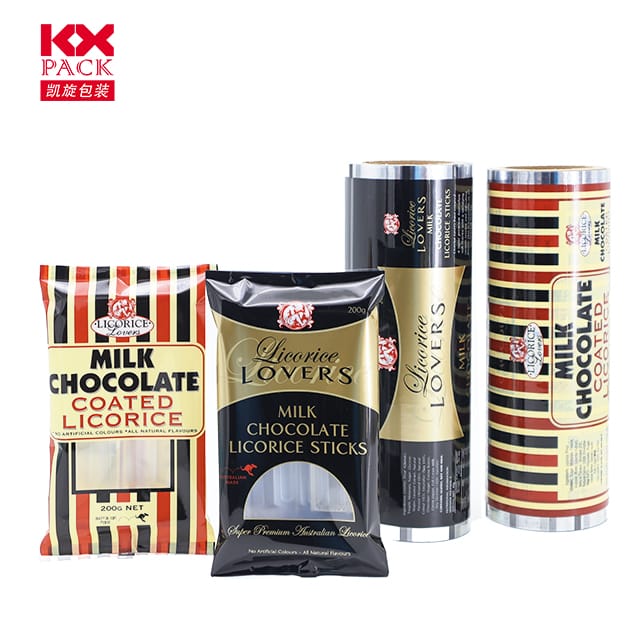
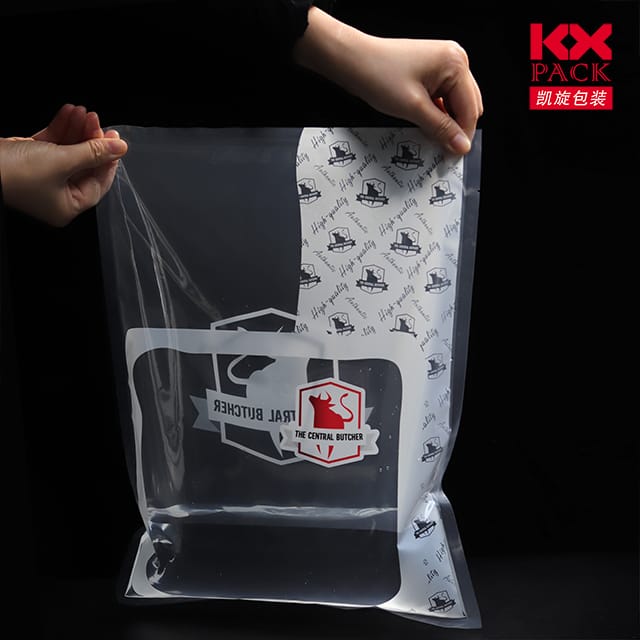
Plastic packaging films are lightweight, versatile materials made from polymers such as polyethylene (PE), polipropylen (PP), Chlorek poliwinylu (PVC), lub poliester (ZWIERZAK DOMOWY). They can be transparent or opaque, single-layered or multi-layered, and engineered with additives for specific properties like UV resistance, bariery dla wilgoci, or anti-static coatings.
Kluczowe cechy obejmują:
- Elastyczność: Adapts to irregular shapes (NP., wrapping fresh meat or confectionery).
- Właściwości barierowe: Prevents oxygen, para wodna, or odors from compromising products.
- Opłacalność: Cheaper to produce and transport than rigid packaging.
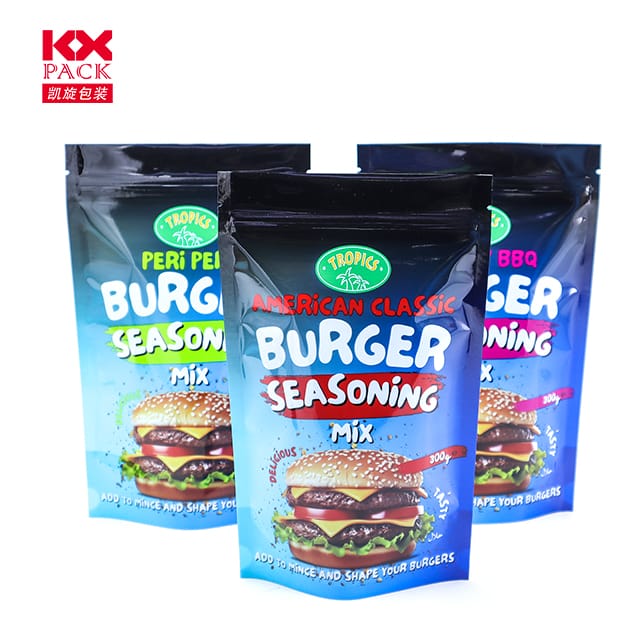
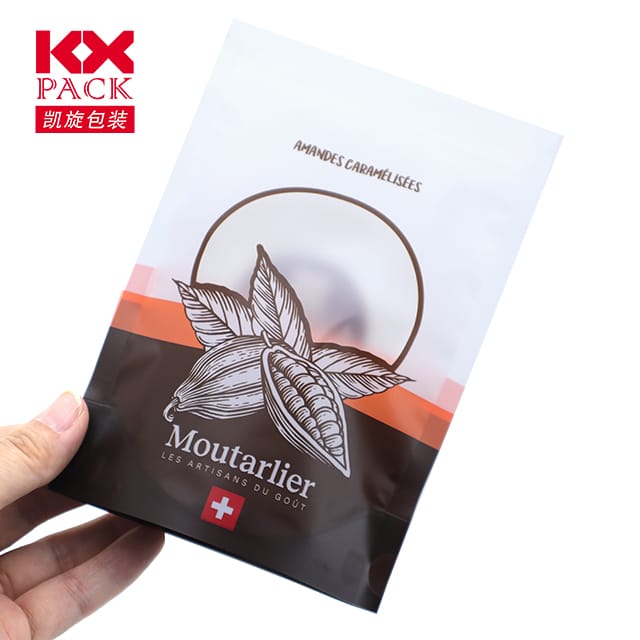
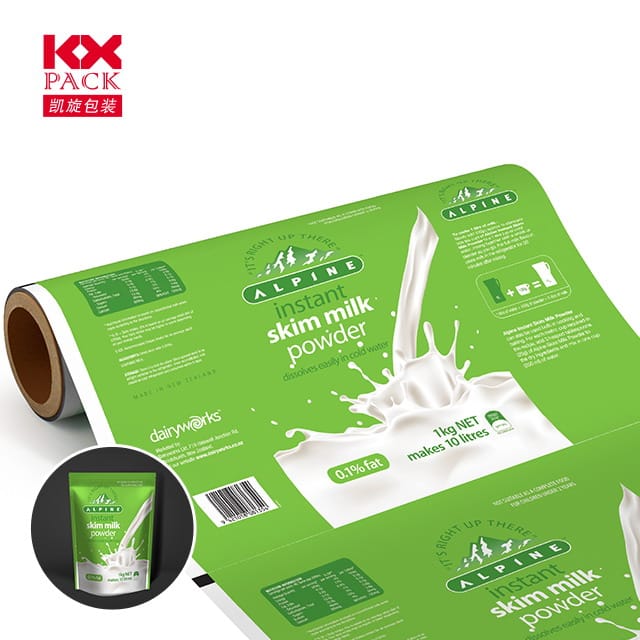
- Wydrukowanie: Supports branding with high-quality graphics.
Common Applications Across Industries
- Żywność & Napój
- Świeże produkty: Stretch films maintain freshness by reducing air exposure.
- Przekąski: Laminated films with aluminum layers block light and oxygen to prevent rancidity.
- Gotowe posiłki: High-barrier films protect against contamination and extend shelf life.
- Farmaceutyki
- Opakowania blistrowe: Thermoformed films ensure tamper-evidence and precise dosage control.
- Medical devices: Sterile packaging films meet stringent hygiene standards.
- Towary konsumpcyjne
- Elektronika: Anti-static films shield delicate components from electrostatic discharge.
- Kosmetyki: Multi-layered films combine moisture resistance with luxurious aesthetics.
- Przemysłowy
- Owijanie palet: Stretch films secure goods during transit, zmniejszenie ryzyka szkód.
- Budowa: Protective films shield surfaces like glass or metal from scratches.
Wyzwania i rozwiązania środowiskowe
Podczas gdy filmy z tworzywa sztucznego oferują niezaprzeczalne korzyści, their single-use nature has raised alarms about pollution and landfill waste. The industry is responding with innovative solutions:
- Folie biodegradowalne i kompostowalne
- Wykonane z polimerów roślinnych (NP., Kwas polilowy, or PLA), Filmy te rozkładają się naturalnie w określonych warunkach.
- Przykład: PLA films used for fresh salads decompose in industrial composting facilities.
- Filmy z zawartością pochodzącą z recyklingu
- Recykling pokonsumencki (PCR) materials reduce reliance on virgin plastics.
- Challenges include maintaining performance while incorporating recycled resins.
- Zaawansowane technologie recyklingu
- Chemical recycling breaks down plastics into their original monomers for reuse, enabling infinite recycling loops.
- Companies like Eastman and BASF are investing heavily in this space.
- Rozcieńczalnik, Lżejsze filmy
- Down-gauging reduces material use without sacrificing strength.
- Przykład: High-performance polyethylene films that are 50% thinner yet stronger than traditional options.
The Future of Plastic Packaging Films
As regulations tighten (NP., Dyrektywa UE z jednorazowym użyciem tworzyw sztucznych), branża zmierza w kierunkumodele gospodarki o obiegu zamkniętym. Kluczowe trendy obejmują:
- Inteligentne filmy: Embedded sensors monitor food freshness or product integrity in real time.
- Filmy jadalne: Made from natural ingredients like starch or proteins, these films eliminate waste entirely.
- Systemy wielokrotnego użytku: Brands like Loop are trialing durable, refillable containers lined with recyclable films.
Wskazówki konsumenckie: Dokonywanie zrównoważonych wyborów
- Look for certifications: Opt for films labeled “compostable” (NP., OK Compost HOME) or “recyclable” (check local facilities).
- Reduce waste: Reuse packaging for storage or crafts before recycling.
- Support brands: Choose companies committed to sustainable packaging innovations.
Wniosek: Znalezienie równowagi
Plastic packaging films are indispensable in modern supply chains, but their environmental impact demands urgent action. Obejmując biodegradowalne materiały, innowacje w zakresie recyklingu, and smarter designs, the industry can protect both products and the planet.
Jakie jest Twoje zdanie na temat plastikowych folii opakowaniowych?? Share your thoughts or questions in the comments below—let’s drive the conversation toward a greener future! 🌍📦
Słowa kluczowe: plastikowe folie opakowaniowe, Zrównoważone opakowanie, folie biodegradowalne, zawartość pochodząca z recyklingu, opakowania do żywności, industrial films.