Kompletny przewodnik po folii z tworzywa sztucznego: Zastosowania, Korzyści, i ekologiczne alternatywy
Plastikowy folia
Od pakowania resztek po zabezpieczanie paczek podczas wysyłki, folia z tworzywa sztucznego (Znany również jako film Cling, Plastikowe opakowanie, lub Saran Wrap) jest podstawą kuchni i domu. Ale w obliczu rosnących obaw o środowisko, wiele osób kwestionuje jego wpływ i poszukuje zrównoważonych alternatyw. Przyjrzyjmy się wszystkiemu, co musisz wiedzieć o folii z tworzywa sztucznego – jej zastosowaniach, wady, i bardziej ekologiczne opcje.
Co to jest folia z tworzywa sztucznego?
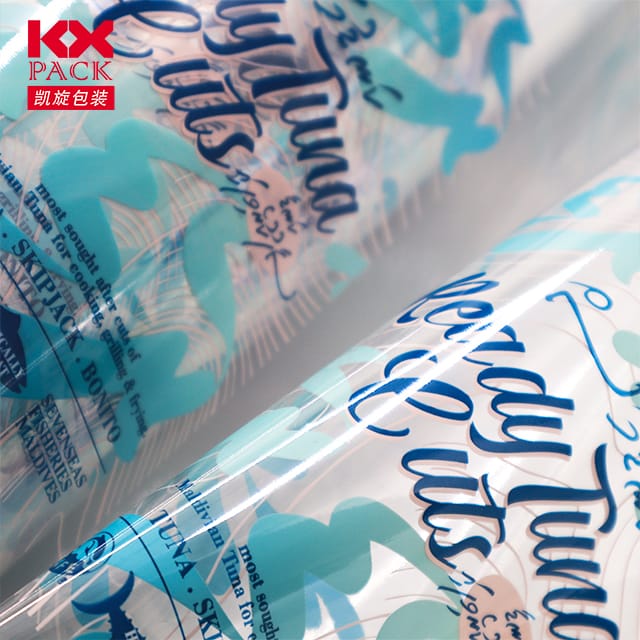
Folia z tworzywa sztucznego jest cienka, przezroczysty, i rozciągliwy materiał wykonany głównie zpolietylen (PE) LubChlorek poliwinylidenowy (PVDC). Jego lepka konsystencja pozwala na szczelne przyleganie do powierzchni, tworząc hermetyczne uszczelnienie, które zachowuje świeżość i zapobiega wyciekom.
Typowe rodzaje folii z tworzywa sztucznego
- Standardowa folia spożywcza: Idealny do przechowywania żywności, opakowanie kanapki, i zakrywanie misek.
- Okład rozciągliwy: Stosowane w spedycji i logistyce do zabezpieczania palet i dużych przedmiotów.
- Opakowanie do zamrażarki: Grubsze i trwalsze, umożliwiające długotrwałe przechowywanie żywności w zamrażarce.
- OPinowanie bez PCV: Bezpieczniejszy, Opcja niezawierająca BPA dla osób unikających narażenia chemicznego.
Najważniejsze zastosowania folii z tworzywa sztucznego
1. Ochrona żywności
- Pakowanie owoców, warzywa, i mięsa aby przedłużyć okres przydatności do spożycia.
- Przykrywanie misek i talerzy aby zapobiec rozlaniu i zachować świeżość żywności.
- Marynowanie mięs szczelnie zamykając je przyprawami i sosami.
2. Gospodarstwo domowe & Aplikacje DIY
- Ochrona mebli podczas malowania lub renowacji.
- Pakowanie delikatnych przedmiotów (NP., wazony, elektronika) do przechowywania lub przenoszenia.
- Uszczelnianie przeciągów wokół okien i drzwi zimą.
3. Przemysłowy & Zastosowania komercyjne
- Wysyłka i logistyka: Zabezpieczanie palet i zapobieganie uszkodzeniom podczas transportu.
- Budowa: Materiały pokrywające chroniące je przed kurzem i wilgocią.
- Sprzedaż detaliczna: Wyświetlanie produktów lub łączenie ich w pakiety.
Wpływ folii pastytowej na środowisko
Choć wygodne, folia z tworzywa sztucznego stwarza poważne wyzwania dla środowiska:
1. Nie ulega biodegradacji
Większość plastikowych opakowań przyjmujesetki lat rozkładać się, przyczyniając się do powstawania odpadów składowanych na wysypiskach i zanieczyszczenia oceanów.
2. Dominacja jednorazowego użytku
Wielu konsumentów używa folii plastikowej raz i wyrzuca ją, zaostrzenie problemu odpadów z tworzyw sztucznych.
3. Zanieczyszczenie mikroplastikiem
Kiedy zdegradowany, Folia plastikowa rozpada się na drobne cząsteczki, które szkodzą organizmom morskim i przedostają się do łańcucha pokarmowego.
4. Wyzwania związane z recyklingiem
Ze względu na swoją cienkość i zanieczyszczenie żywności, jest folia z tworzywa sztucznegorzadko akceptowane w programach recyklingu przy krawężniku.
Ekologiczne alternatywy dla folii z tworzywa sztucznego
Na szczęście, istnieją zrównoważone alternatywy, które są równie skuteczne:
1. Pażeń pszczeli
- Materiał: Tkanina bawełniana pokryta woskiem pszczelim, olej jojoba, i żywica drzewna.
- Korzyści: Wielokrotnego użytku, ulegające biodegradacji, i naturalnie przeciwbakteryjne.
- Najlepsze dla: Pokrywające miski, owijanie kanapek, i przechowywanie sera.
2. Silikonowe pokarmowe pokarmowe pokarmowe
- Materiał: Elastyczny, silikon spożywczy.
- Korzyści: Wielokrotnego użytku, można myć w zmywarce, i szczelne.
- Najlepsze dla: Zakrywanie resztek, kręgle, i puszki.
3. Owijki materiałowe wielokrotnego użytku
- Materiał: Bawełna lub len z wodoodporną podszewką.
- Korzyści: Zmywalny, konfigurowalny, i przyjazne dla środowiska.
- Najlepsze dla: Pakowanie lunchu lub przechowywanie przekąsek.
4. Szklane lub plastikowe pojemniki z pokrywkami
- Korzyści: Wytrzymały, szczelny, i nieskończenie wielokrotnego użytku.
- Najlepsze dla: Przygotowywanie posiłków i długotrwałe przechowywanie żywności.
5. Kompostowalna folia spożywcza
- Materiał: Materiały pochodzenia roślinnego, takie jak skrobia kukurydziana lub trzcina cukrowa.
- Korzyści: Rozkłada się w kompostowniach przemysłowych.
- Najlepsze dla: Ci, którzy nadal preferują wygodę pakowania w folię, ale chcą bardziej ekologicznej opcji.
Jak zmniejszyć ilość odpadów z folii plastikowej
Nawet jeśli nie jesteś gotowy na całkowitą zmianę, te małe zmiany mogą mieć duże znaczenie:
- Ponowne wykorzystanie arkuszy plastikowej folii kilka razy przed wyrzuceniem.
- Kupuj hurtowo aby zminimalizować ilość odpadów opakowaniowych.
- Wybierz marki które oferują opcje nadające się do recyklingu lub kompostowania.
- Odpowiednio poddawaj recyklingowi sprawdzając lokalne wytyczne (niektóre sklepy spożywcze akceptują plastikowe torby i opakowania).
Ostateczne myśli: Czy warto owijać folią plastikową??
Folia z tworzywa sztucznego zapewnia niezrównaną wygodę, jego koszt dla środowiska jest niezaprzeczalny. Decydując się naalternatywy wielokrotnego użytku jak okłady z wosku pszczelego, osłony silikonowe, lub pojemniki szklane, możesz zmniejszyć ilość odpadów bez poświęcania funkcjonalności.
Gotowy do zmiany? Zacznij od zmiany jednego nawyku w folię plastikową i stopniowo przechodź na bardziej zrównoważoną kuchnię.
Jaka jest Twoja ulubiona ekologiczna alternatywa dla folii plastikowej?? Podziel się swoimi wskazówkami w komentarzach poniżej! 🌍✨