Niedoceniany bohater współczesnego życia: Historia folii plastikowej (6)
Plastikowy folia
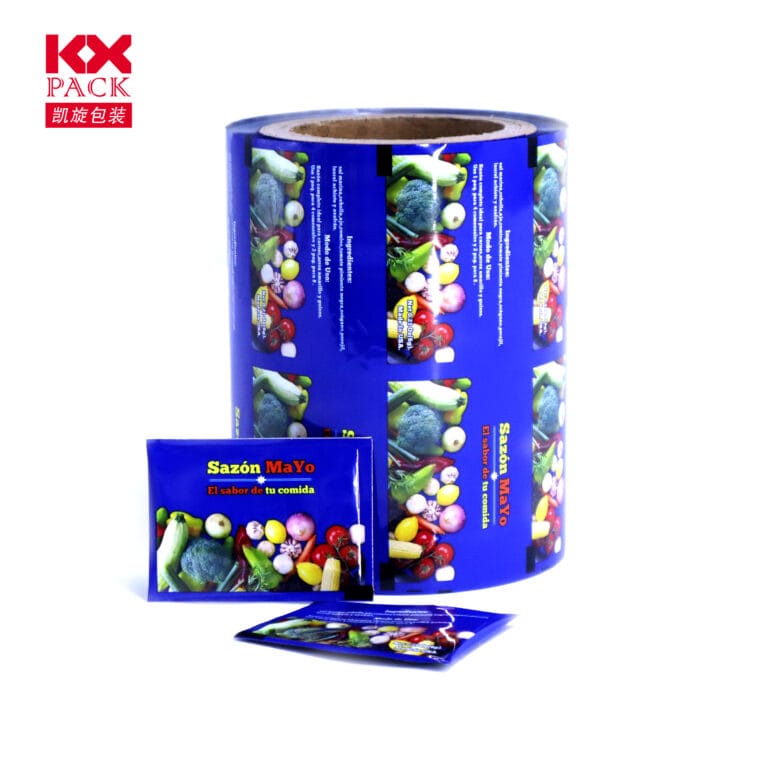
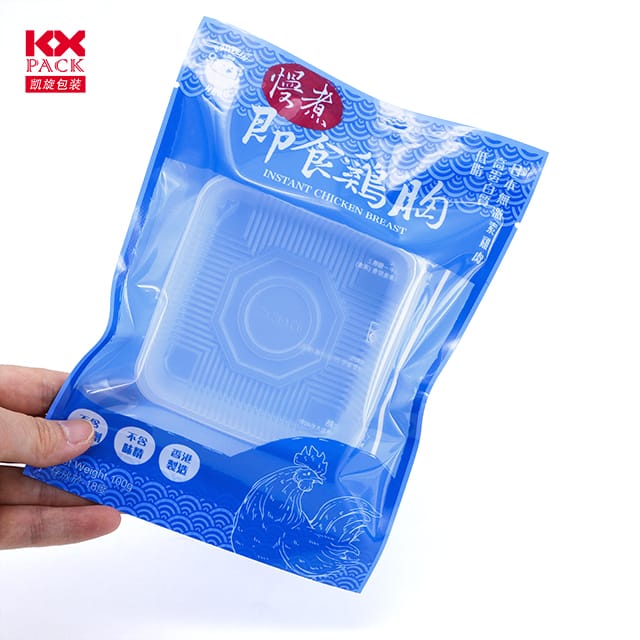
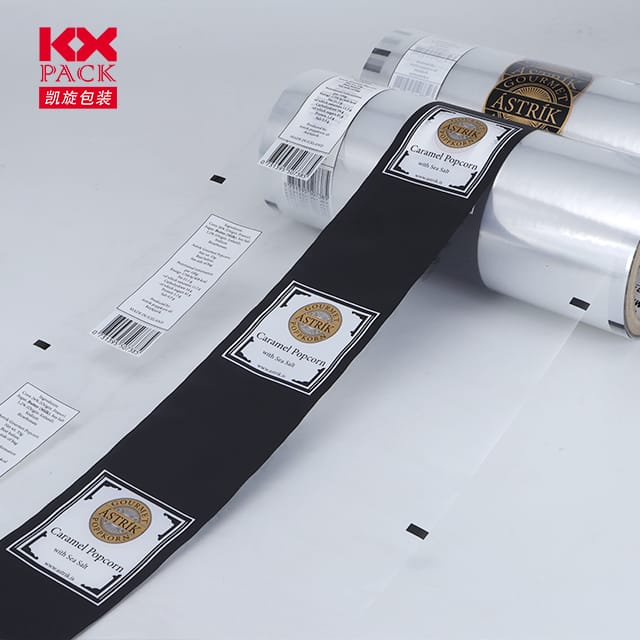
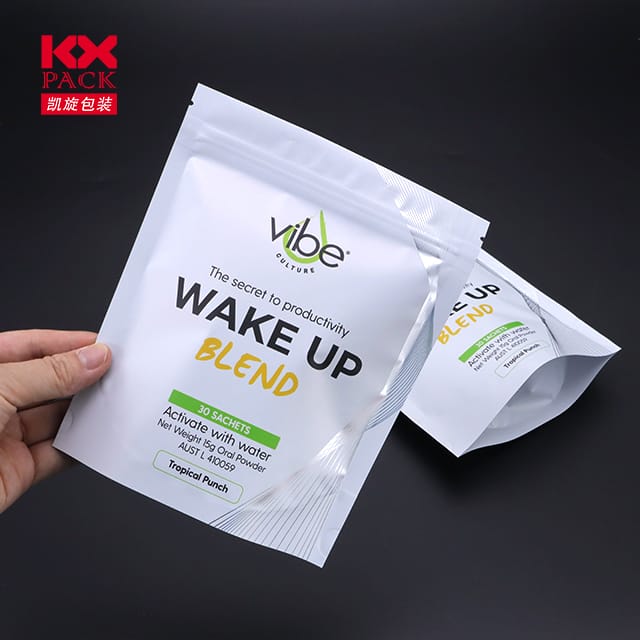
From protecting leftovers to safeguarding fragile packages, folia z tworzywa sztucznego (często nazywana folią spożywczą, Okład Sarana, lub folię stretch) jest cichym koniem pociągowym w naszej codziennej pracy. Już, jego wygoda maskuje złożoną narrację o innowacjach, wpływ na środowisko, oraz ewoluujące wysiłki na rzecz zrównoważonego rozwoju. Odkryjmy historię tego wszechstronnego materiału – jego zastosowań, kontrowersje, and the future it’s shaping.
The Evolution of Plastic Film Wrap
Plastic film wrap traces its roots to the mid-20th century, when Dow Chemical introduced the first “Okład Sarana” W 1949. Originally designed for military use to protect equipment, its ability to cling to surfaces without adhesives soon made it a household staple. Dzisiaj, it’s used across industries:
- Przechowywanie żywności: Zachowując świeżość, zapobieganie psucie, i zmniejszenie odpadów żywnościowych.
- Logistyka & Wysyłka: Bundling products, securing pallets, and protecting goods during transit.
- Rolnictwo: Shielding crops from pests or harsh weather.
- Opieka zdrowotna: Sterilizing medical equipment and wrapping supplies.
Jest lekki, elastyczny, and transparent nature has revolutionized how we package, sklep, and transport items—but at what cost?
Zagadka środowiskowa
While plastic film wrap offers undeniable benefits, its environmental footprint is hard to ignore:
- Odpady jednorazowego użytku: Most wraps are discarded after a single use, przyczyniając się do 380 million tons of plastic waste generated globally each year.
- Wyzwania związane z recyklingiem: Many wraps are made from low-density polyethylene (LDPE), which is technically recyclable but often contaminated with food or non-recyclable materials, co prowadzi do niskich wskaźników recyklingu.
- Zanieczyszczenie mikroplastikiem: W przypadku nieprawidłowej utylizacji, film wrap breaks down into microplastics that infiltrate ecosystems, gleba, and even our food chain.
Critics argue that the convenience of plastic wrap comes at the expense of planetary health—a trade-off that demands urgent solutions.
Innovations for a Sustainable Future
Dobra wiadomość? The plastic wrap industry is evolving. Oto jak to zrobić:
- Ulegające biodegradacji & Kompostowalne alternatywy:
- Companies are experimenting with plant-based materials (like cornstarch or seaweed) to create wraps that decompose naturally.
- Przykład: “Notpla,” a startup making edible/biodegradable seaweed-based films for food packaging.
- Nadaje się do recyklingu & Treści z recyklingu:
- Brands are increasing the use of post-consumer recycled (PCR) plastics in film production.
- Innowacje takie jak “mono-material” okłady (wykonane z jednego rodzaju tworzywa sztucznego) improve recyclability.
- Systemy wielokrotnego użytku:
- Silikonowe osłonki na żywność, okłady z wosku pszczelego, and reusable silicone stretch lids are gaining popularity as eco-friendly alternatives for home use.
- Inteligentne opakowanie:
- Edible coatings (like casein or algae-based films) could replace plastic entirely for certain applications, such as coating produce to extend shelf life.
Odpowiedzialność konsumenta: Small Changes, Duży wpływ
While industries innovate, individuals can also play a role:
- Zmniejszyć: Opt for reusable containers or beeswax wraps instead of disposable film.
- Prawo do recyklingu: Check local guidelines—some areas accept clean LDPE wraps in recycling bins.
- Support Sustainable Brands: Choose companies prioritizing eco-friendly materials or refill/reuse programs.
Droga przed nami
Plastic film wrap isn’t going away anytime soon—its utility is too vast. Jednakże, the future lies inredesigning it for sustainability. Whether through biodegradable materials, systemy recyklingu w obiegu zamkniętym, or behavior shifts, cel jest jasny: preserve the convenience we love without compromising the planet.
As consumers and innovators, we hold the power to reshape this story. The next time you reach for that roll of plastic wrap, zapytaj siebie: Is there a greener alternative? Because the choices we make today will determine whether this humble material remains a hero or becomes a villain in tomorrow’s tale.
What’s your take on plastic film wrap? Love it, loathe it, or looking for alternatives? Porozmawiajmy w komentarzach! 🌍💡