Rozpakowywanie prawdy: Wpływ folii plastikowej i zrównoważonych alternatyw (7)
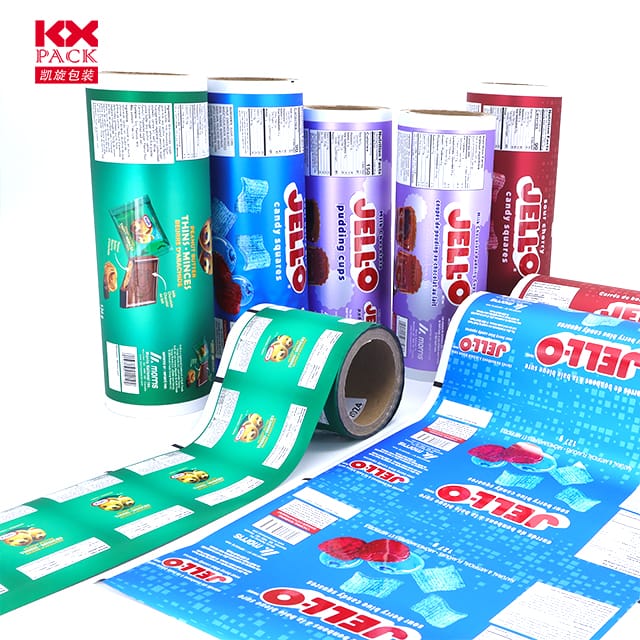
Folia z tworzywa sztucznego do pakowania żywności
W naszym szybkim życiu, Plastikowe opakowanie stało się podstawową kuchnią - clingy, wygodny, I pozornie niezbędne. Ale wraz ze wzrostem obaw związanych z środowiskiem, Czas przyjrzeć się cienkim, przezroczysty film, którego używamy codziennie. Rozpakujmy fakty dotyczące owijania żywności plastikowego filmu, jego wpływ, and how we can make smarter choices.
What Is Food Wrapping Plastic Film?
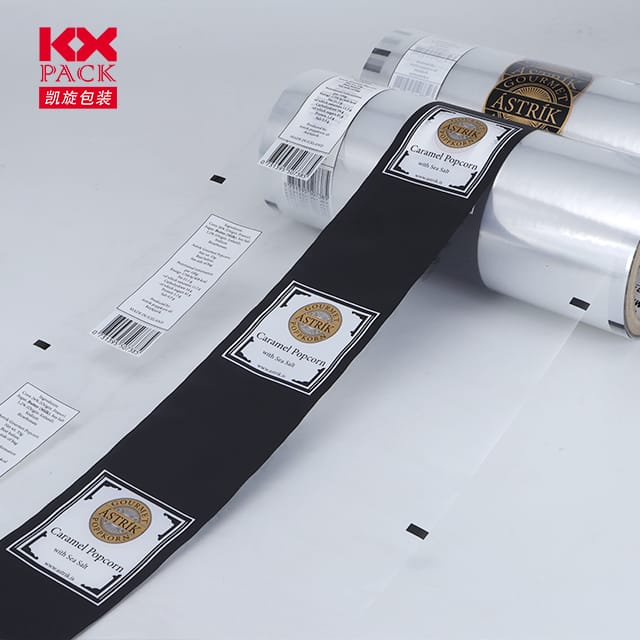
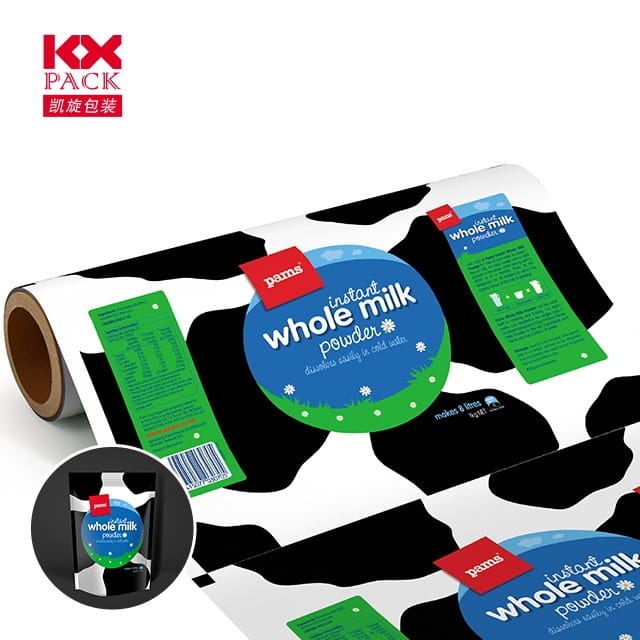
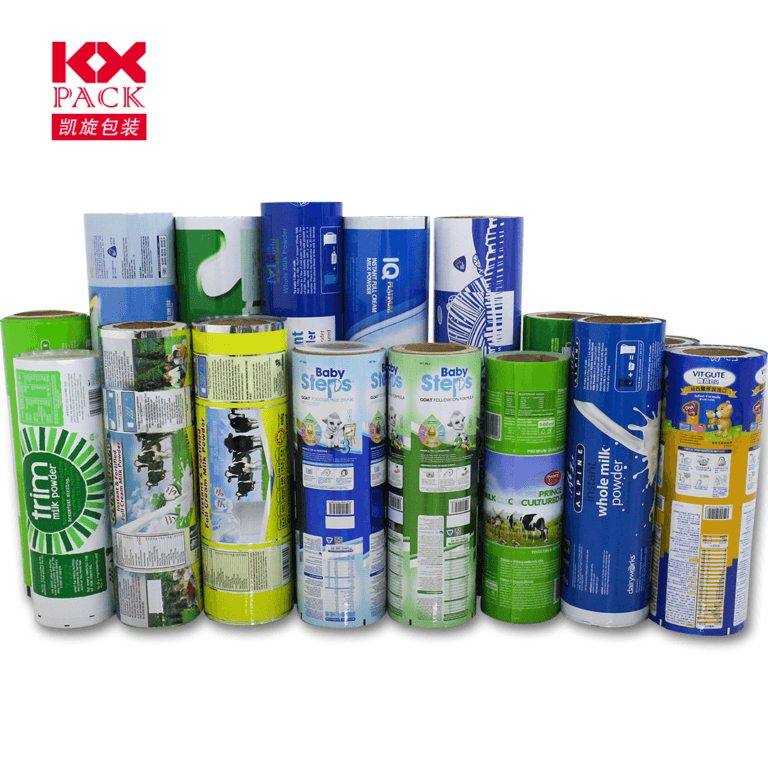
Folia z tworzywa sztucznego do pakowania żywności, often called “Plastikowe opakowanie” Lub “Film przylegający,” is typically made from polietylen (PE), a lightweight and flexible plastic polymer. It’s designed to cling tightly to containers, keeping food fresh by blocking air and moisture. While it’s undeniably handy for covering leftovers, owijanie kanapek, lub przechowywania produktów, Jego wygoda kosztuje.
Oświadczenie środowiskowe
- Single-Use Plastic Waste
Plastic wrap is a single-use item, meaning it’s used once and discarded. Tylko 9% światowych odpadów z tworzyw sztucznych is recycled, I Folia z tworzywa sztucznego do pakowania żywności is notoriously difficult to recycle due to its thin, stretchy texture. Most ends up in landfills, where it can take centuries to decompose, or worse—pollutes oceans and rivers. - Zanieczyszczenie mikroplastikiem
As plastic film breaks down, it fragments into microplastics, which infiltrate soil, woda, and even the food chain. Studies show humans ingest aż do 5 gramów mikroplastiku tygodniowo via food and water—a concerning statistic with unknown long-term health impacts. - Ślad węglowy
The production of plastic film relies on fossil fuels, przyczyniając się do emisji gazów cieplarnianych. Manufacturing just 1 kilogram of polyethylene generates wokół 2.3 kilograms of CO2.
Is There a Safer Alternative?
Tak! Eco-conscious brands and individuals are pioneering alternatives that balance practicality with sustainability:
- Okłady wielokrotnego użytku
- Pażeń pszczeli: Pokryte woskiem pszczelim, olej jojoba, i żywica drzewna, these cloths mold around containers and can be washed and reused for up to a year.
- Pokrywy silikonowe: Elastyczny, airtight lids that fit over bowls and containers, dishwasher-safe and durable.
- Folie kompostowalne
Made from plant-based materials like cornstarch or potato starch, these films break down in industrial composting facilities. Jednakże, they’re not suitable for home composting and require specific conditions to decompose fully. - Pojemniki szklane lub ze stali nierdzewnej
Ditch single-use plastics entirely with airtight containers that last a lifetime. Pair them with silicone lids or cloth covers for zero-waste storage.
How to Reduce Your Plastic Film Use
- Kupuj hurtowo: Purchase larger quantities of food to minimize packaging waste.
- Plan Meals: Reduce leftovers by cooking only what you need.
- Alternatywy dla majsterkowiczów: Make your own beeswax wraps using fabric scraps and beeswax pellets.
- Prawo do recyklingu: Check local recycling guidelines—some areas accept clean plastic wrap for recycling.
Przyszłość zachowania żywności
Innovation is key. Companies are exploringjadalne powłoki (made from ingredients like chitosan or lactic acid) Imycelium-based materials (fungal networks that biodegrade naturally). While these solutions are still emerging, consumer demand can drive their adoption.
Twój wybór ma znaczenie
Za każdym razem, gdy sięgasz po folię, Pamiętać: There’s a more sustainable way to protect your food. By opting for reusable or compostable alternatives, you’re not just preserving freshness—you’re helping preserve the planet.
Let’s cling to change, not plastic. 🌍
Has this inspired you to rethink your kitchen habits? Share your favorite eco-friendly food storage hacks below!
Słowa kluczowe: folia plastikowa do pakowania żywności, zrównoważone alternatywy, Zanieczyszczenie plastikowe, Ekologiczna kuchnia, compostable wraps, microplastics, pojemniki wielokrotnego użytku