Sachet Water Emballasjefilm: The Unsung Hero of Safe Drinking Water Accessibility
Sachet Water Emballasjefilm
In many parts of the world, spesielt i regioner med begrenset tilgang til rent drikkevann, sachet water has emerged as a lifeline. Disse små, rimelig, og bærbare vannposer – ofte solgt av gateselgere og på lokale markeder – er pakket i et materiale som er både kritisk og undervurdert: Sachet Water Emballasjefilm. La oss pakke ut vitenskapen, bærekraft, and societal impact of this innovative packaging solution.
1. What is Sachet Water Packaging Film?
Sachet Water Emballasjefilm is a flexible, multi-layered material designed to preserve the purity and safety of drinking water. Typically composed of:
- Polyetylen (PE): A durable, moisture-resistant layer that forms the outer shell.
- Polyester (KJÆLEDYR): Adds strength and prevents punctures during handling.
- Aluminum or EVOH Barrier Layers: Blocks oxygen, lys, og forurensninger, forlenger holdbarheten.
- Adhesive Laminates: Binds the layers together into a seamless, leak-proof structure.
This composite film ensures that water remains sterile until consumption, even in harsh environmental conditions.
2. Why Sachet Water Matters
In developing countries, Sachet Water Emballasjefilm (also called “pure water” in regions like West Africa) addresses a critical gap:
- Affordability: A single sachet often costs less than a penny, making clean water accessible to low-income populations.
- Bærbarhet: The lightweight, single-use format is ideal for on-the-go consumption, reducing the risk of waterborne diseases from unclean containers.
- Hygiene: Factory-sealed sachets eliminate the need for boiling or chemical treatment, offering instant safety.
According to the World Health Organization (WHO), sachet water has played a pivotal role in reducing diarrheal diseases in regions like Ghana, Nigeria, and Kenya.
3. The Science Behind the Film
De Sachet Water Emballasjefilm’s design is a masterclass in material engineering:
- Barriereegenskaper: The aluminum or EVOH layer prevents UV light degradation and oxygen ingress, which can spur bacterial growth.
- Seal Integrity: Advanced heat-sealing technology ensures airtight closures, forhindrer lekkasjer og forurensning.
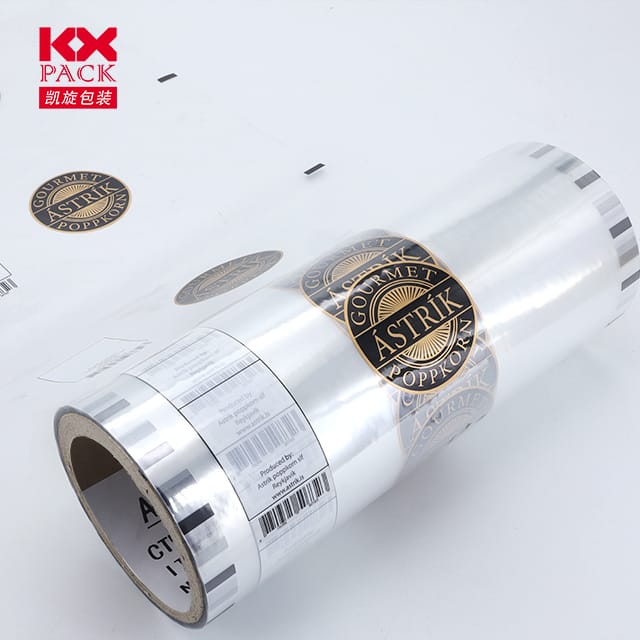
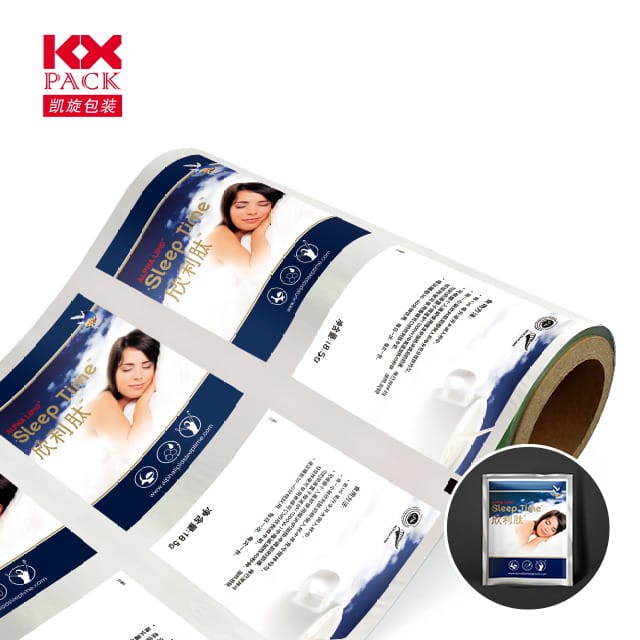
- Trykkbarhet: Brands often print logos, sikkerhetssertifiseringer, and expiration dates directly onto the film, enhancing transparency and trust.
Manufacturers must adhere to strict regulatory standards (F.eks., FDA, EU food-grade certifications) to guarantee the film’s safety.
4. Sustainability Challenges and Innovations
While sachet water provides undeniable benefits, dens engangsnatur vekker miljøhensyn. Millions of sachets end up in landfills or as litter, contributing to plastic pollution. derimot, the industry is evolving:
- Biologisk nedbrytbare filmer: Some companies are experimenting with PLA (polymelkesyre) or starch-based materials that decompose faster than traditional plastics.
- Recycling Initiatives: In cities like Accra and Lagos, NGOs and governments are promoting sachet collection programs to repurpose the film into items like paving blocks or furniture.
- Refillable Models: A few startups are testing reusable sachets with refill stations, balancing convenience with eco-friendliness.
5. The Future of Sachet Water Packaging
To ensure long-term sustainability, the industry must balance three pillars:
- Materialinnovasjon: Developing affordable, compostable films without compromising safety.
- Forbrukerutdanning: Encouraging proper disposal and recycling habits.
- Policy Support: Governments could incentivize eco-friendly packaging or impose taxes on non-recyclable sachets.
Technologies likevannløselige filmer (which dissolve harmlessly in water) elleredible packaging (made from seaweed extracts) hold promise but require further R&D to meet cost and durability demands.
Konklusjon: A Small Package, a Big Impact
Sachet water packaging film is a testament to how material science can transform public health. It has democratized access to clean water for millions, yet its environmental footprint demands urgent attention. As innovators and policymakers collaborate, the goal is clear: preserve the life-saving benefits of sachet water while minimizing its ecological harm.
The next time you see a street vendor selling sachet water, remember—that humble pouch represents a complex intersection of engineering, economics, og miljøforvaltning.
What are your thoughts on balancing accessibility and sustainability in sachet water packaging? La oss diskutere i kommentarene! 🌍💧