Fremveksten av trykt fleksibel emballasjefilm: Hvor innovasjon møter bærekraft
Printed Flexible Packaging Film
In an era where consumers demand both visual appeal and environmental responsibility, Printed Flexible Packaging Film har dukket opp som en gamechanger. Dette dynamiske materialet kombinerer effektfull merkevarebygging med funksjonelle fordeler, endre hvordan produktene pakkes, markedsført, og konsumert. La oss utforske hvorfor denne teknologien omformer industrier – og hvorfor den er kommet for å bli.
Why Printed Flexible Packaging Film? A Multifaceted Advantage
- Brand Differentiation at Shelf Level
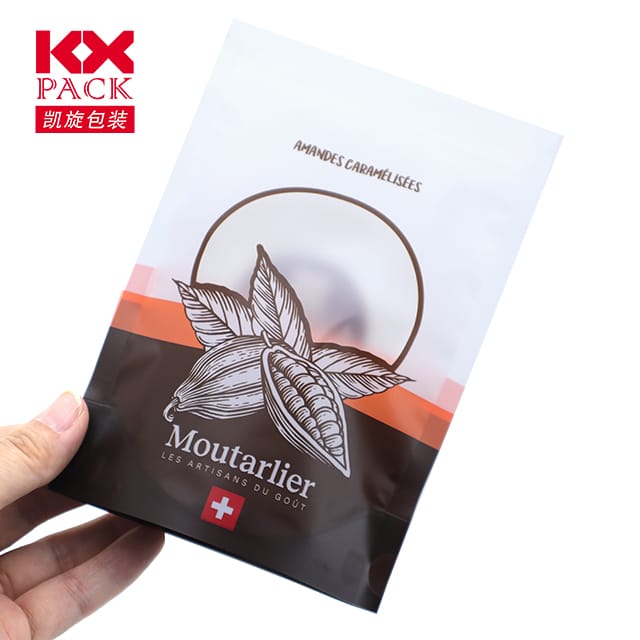
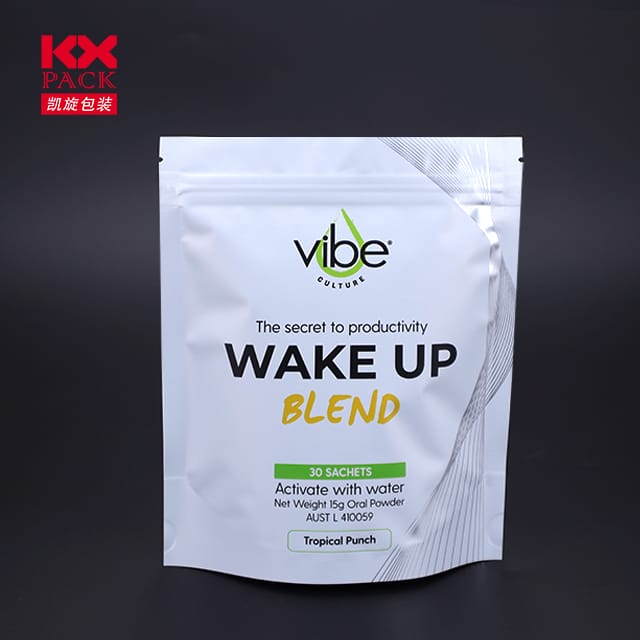
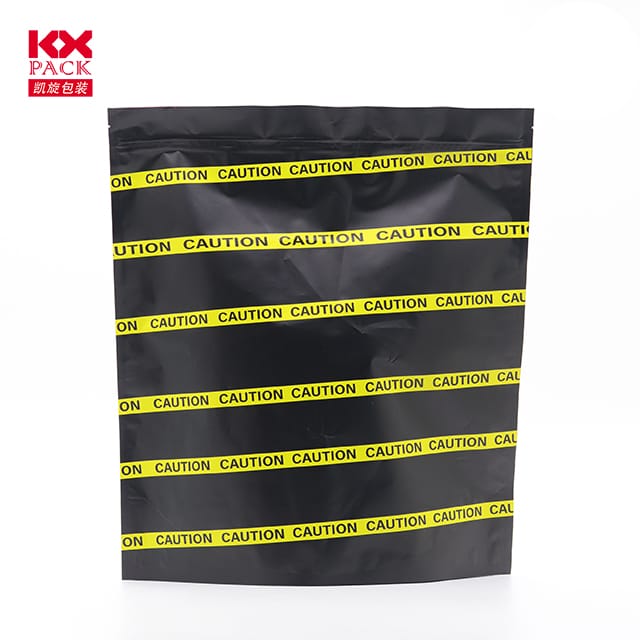
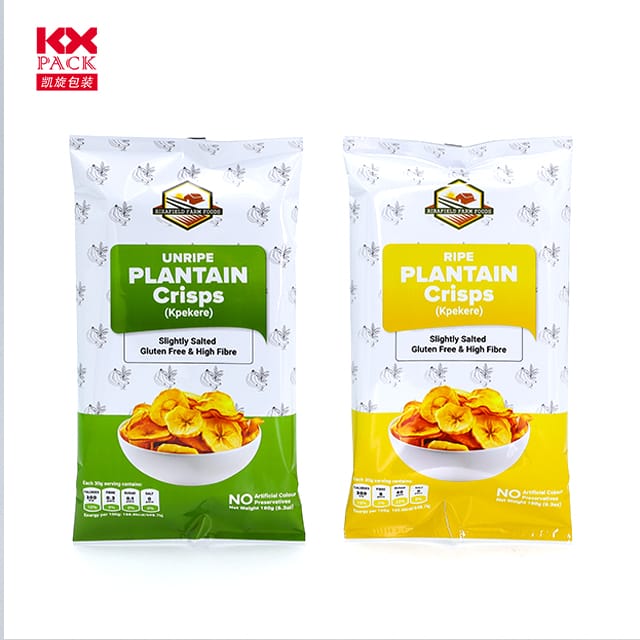
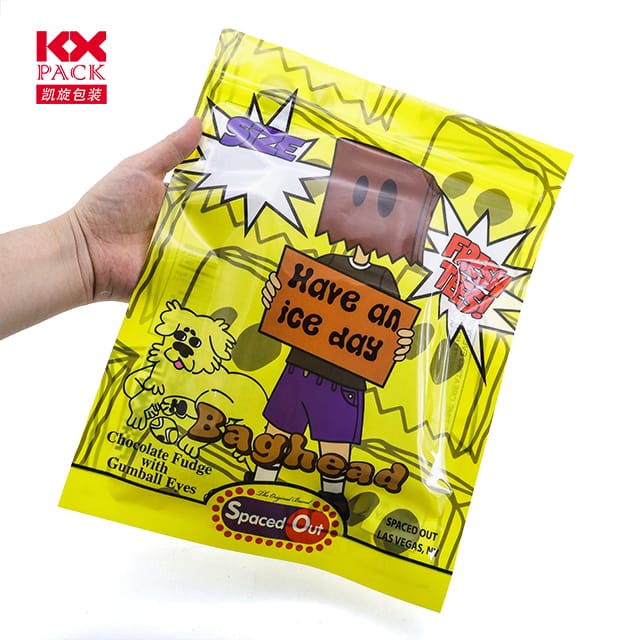
Printed flexible films allow brands to create eye-catching designs with up to 10-color printing capabilities, from vibrant gradients to matte finishes. Unlike traditional labels, graphics are printed directly onto the film, eliminating scuffing risks and ensuring consistent quality. For eksempel, snack brands use shrink-sleeve films to wrap irregularly shaped products, achieving 360-degree branding that stands out in crowded aisles. - Sustainability Meets Performance
The global printed flexible packaging market, verdsatt til $101.48 milliarder inn 2025, er anslått å vokse på en 5.84% CAGR gjennom 2030. This surge is driven by demand for recyclable and biodegradable materials. Innovasjoner som Bopp (Biaksialt orientert polypropylen) filmer now offer recyclable options without compromising barrier properties, reducing food waste by up to 30% through enhanced shelf-life preservation. - Cost-Efficiency for High-Volume Production
Flexographic printing remains the dominant method for long runs, accounting for 46.73% of the market share in 2024 due to its cost-effectiveness. derimot, digital utskrift is gaining traction, enabling on-demand customization for e-commerce brands. Hybrid systems that combine both methods are emerging as a sweet spot for flexibility and scale.
Key Applications: From Food to Pharmaceuticals
- Mat & Drikke:
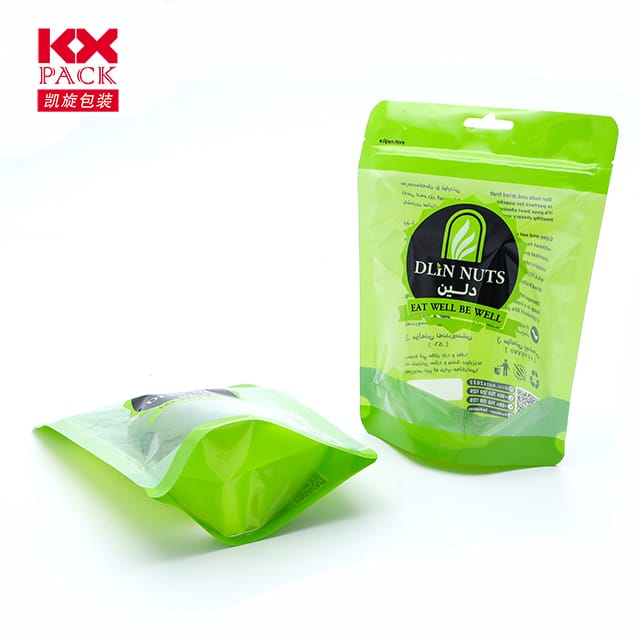
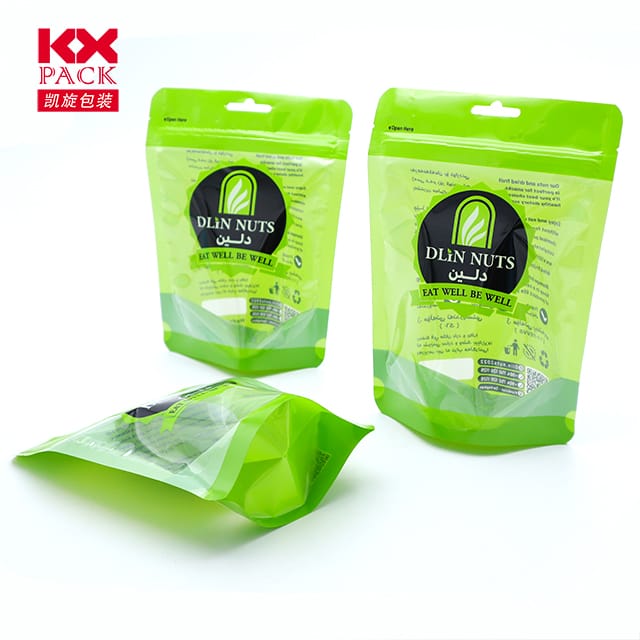
Stand-up pouches with spouts are replacing rigid containers for sauces and infant nutrition, offering portability and resealability. Retortable films withstand high-temperature sterilization, sikre sikkerhet for ferdige måltider. - Helsetjenester & Personlig pleie:
Cold-seal packaging, used for temperature-sensitive chocolates and pharmaceuticals, relies on printed films with precise registration marks to align seals with graphics, opprettholde produktets integritet. - E-handel:
Digital printing enables serialized codes and geo-targeted promotions on mailer bags, enhancing supply chain traceability and customer engagement.(Printed Flexible Packaging Film)
Technological Advancements Driving the Market
- Material Innovations:
- Metallized Films: Add a premium look while blocking UV light and oxygen.
- High-Shrink Films: Conform tightly to products for a sleek finish.
- Komposterbare filmer: Made from plant-based polymers, disse brytes ned inne 180 days under industrial conditions.
- Utskriftsteknikker:
- Flexography: Ideal for large batches, with plates lasting up to 1 million impressions.
- Dyptrykk: Offers unmatched detail for high-end cosmetics packaging.
- Digital Inkjet: Reduces setup time by 70%, perfect for small-batch runs.
- Smart emballasjeintegrasjon:
Printed films now incorporate QR -koder og NFC -tagger for interactive experiences, such as tracking carbon footprints or unlocking recipes.
Utfordringer & Fremtidsutsikter
Despite its promise, næringen møter hindringer:
- Gjenvinningsinfrastruktur: Bare 14% av fleksibel emballasje resirkuleres globalt, due to multi-layer structures.
- Overholdelse av forskrifter: Brands must navigate evolving standards like the EU’s Single-Use Plastics Directive.
Ennå, the future is bright. Av 2028, the market is expected to reach$341.6 milliarder, drevet av:
- Sustainable Substrates: Bio-based PE and PLA films.
- Advanced Adhesives: Water-based and solvent-free options for easier recycling.
- AI-drevet design: Tools that optimize ink usage and reduce waste.
Konklusjon: A Canvas for Innovation
Printed Flexible Packaging Film is more than just a container—it’s a strategic tool for brands to tell their story, reduce environmental impact, and meet evolving consumer expectations. Etter hvert som teknologien skrider frem, expect to see even more creative applications, from edible inks to self-healing materials.
For bedrifter som ønsker å ligge i forkant, the message is clear: Embrace flexibility, print with purpose, and package sustainably. The future of packaging isn’t just flexible—it’s intelligent.
What’s your take on Printed Flexible Packaging Film? Del tankene dine i kommentarene nedenfor! 🌍✨