Det tveegget sverd av plastfolie: Convenience vs.. Miljøpåvirkning (2)
Plastic Wrap Film
Introduksjon
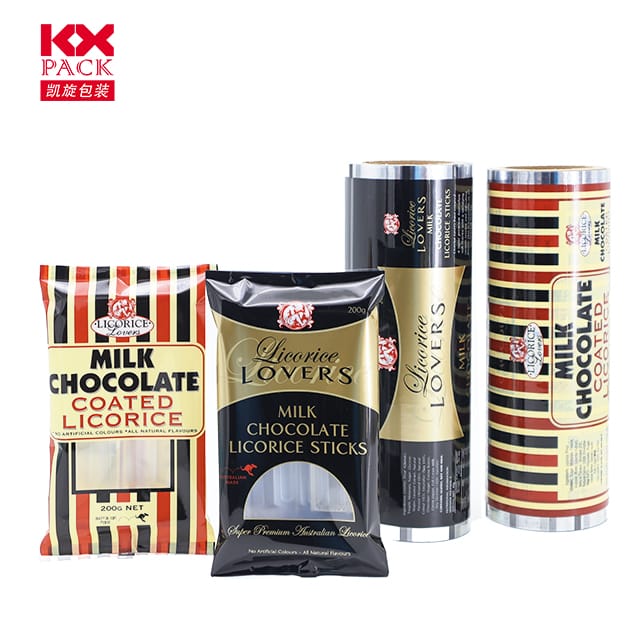
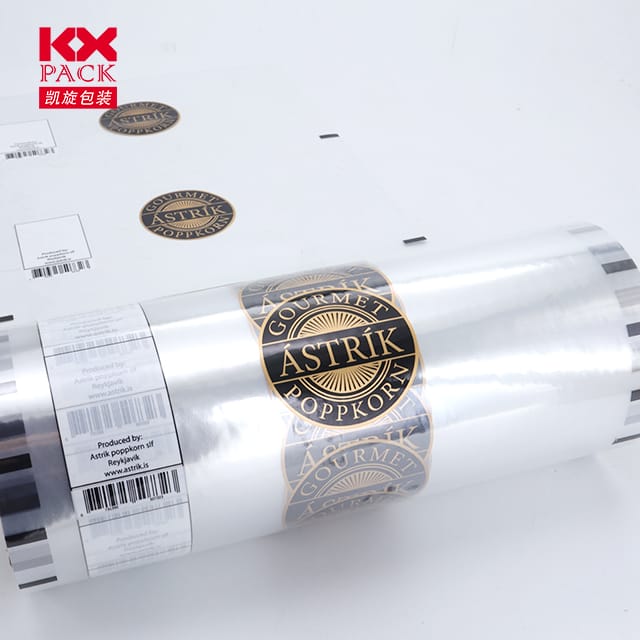
Plastic Wrap Film, det allestedsnærværende gjennomskinnelige arket som beskytter restene våre og holder frukten frisk, er en stift i moderne kjøkken. Ennå, dets bekvemmelighet har en kostnad. I dette innlegget, vi skal utforske den mangefasetterte rollen til plastfolie i dagliglivet, dens miljømessige implikasjoner, and how we can make smarter choices without sacrificing practicality.
1. The Unsung Hero of Kitchens
Let’s start with the positives. Plastic wrap’s versatility is unmatched:
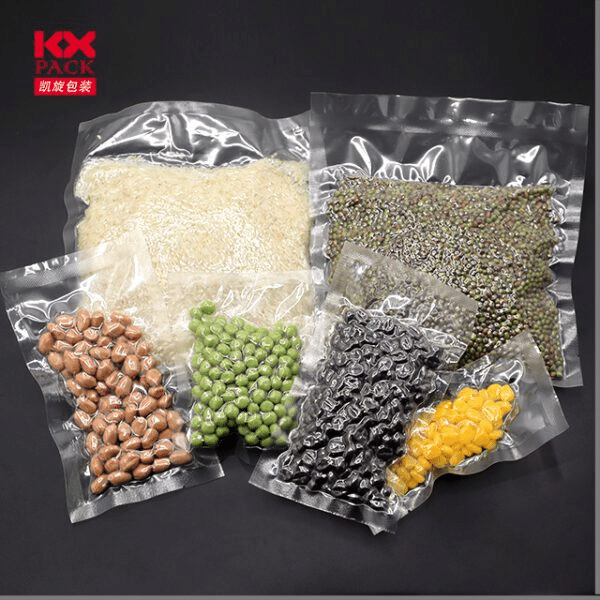
- Matkonservering: It extends the shelf life of perishables by locking in moisture and blocking oxygen.
- Matlaging & Baking: From covering rising dough to steaming vegetables, it’s a heat-resistant helper (when labeled microwave-safe).
- Organization: Sealing bowls, wrapping cut veggies, or even protecting documents—its uses go beyond the fridge.
2. Miljødilemmaet
Here’s where the narrative takes a dark turn. Traditional plastic wrap is typically made frompolyetylen (PE), a petroleum-based plastic that takes centuries to decompose.
- Pollution: Mismanaged Plastic Wrap Film clogs landfills, rivers, and oceans, harming wildlife and ecosystems.
- Recycling Challenges: Most recycling facilities don’t accept plastic wrap due to its thin, stretchy nature, which jams machinery.
- Mikroplast: Even when degraded, it breaks into microscopic particles, infiltrating soil and water systems.
3. A Call for Change: Bærekraftige alternativer
Den gode nyheten? Innovations are reshaping the plastic wrap industry. Here’s how to reduce your footprint:
- Gjenbrukbare omslag: Beeswax-coated cloths or silicone lids offer a durable, washable solution.
- Komposterbare filmer: Made from plant-based materials like PLA (polymelkesyre), these decompose in industrial composting facilities.
- Mindful Usage: Avoid overuse—opt for containers with lids when possible, and reuse clean wrap for non-food items.
4. How to Choose Wisely
When buying plastic wrap, look for:
- “Oxodegradable” Labels: While not perfect, these additives加速 breakdown in open environments.
- Certified Compostable Products: Check for BPI (Institutt for biologisk nedbrytbare produkter) certification.
- Support Eco-Brands: Companies like Bee’s Wrap or Abeego prioritize sustainability without compromising function.
5. Small Steps, Big Impact
Change starts at home. By reducing reliance on single-use plastics and advocating for systemic shifts—like improved recycling infrastructure—we can curb plastic pollution.
Konklusjon
Plastic wrap film is a double-edged sword: a lifesaver in the kitchen but a threat to the planet. While eliminating it entirely isn’t feasible overnight, conscious choices today can pave the way for a greener tomorrow. Let’s wrap up our habits—responsibly.
#PlasticFreeLiving #SustainableKitchen #EcoFriendlyAlternatives