Det tveegget sverd av plastemballasjefilm: Convenience vs.. Bærekraft (2)
Plastemballasjefilm
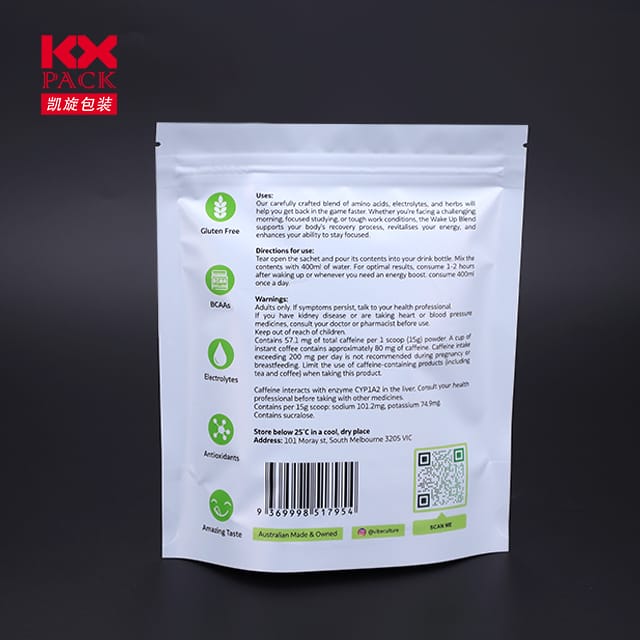
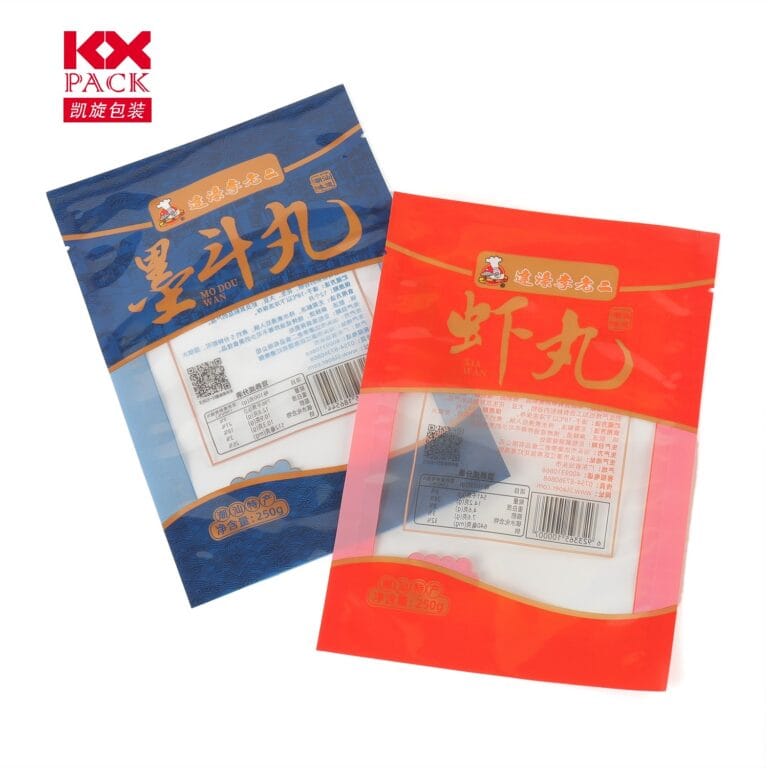
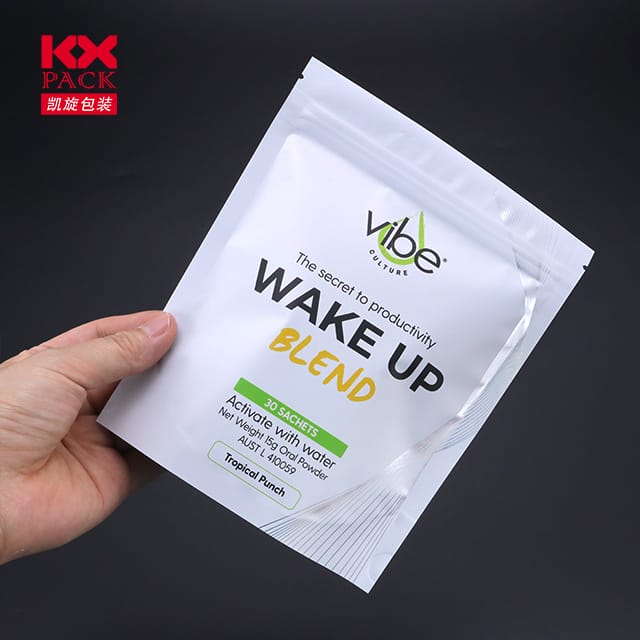
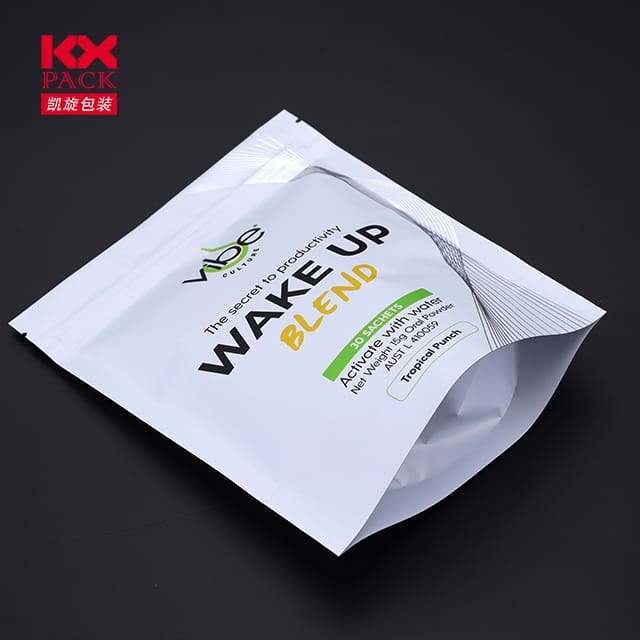
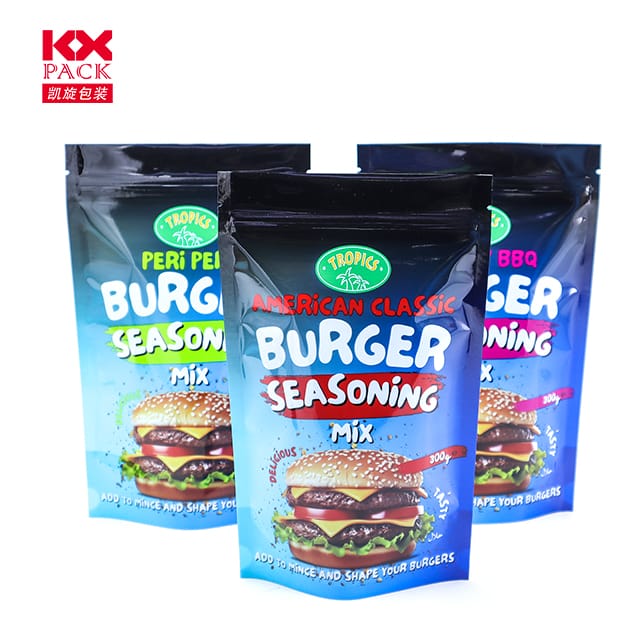
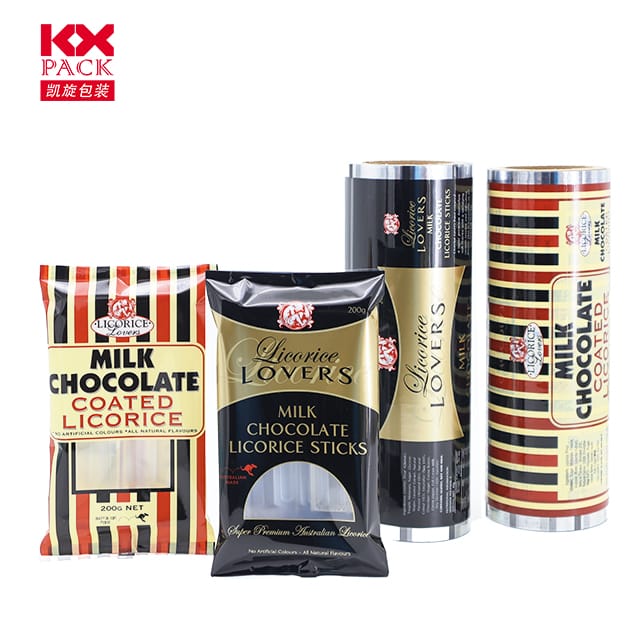
In our fast-paced, forbrukerdrevet verden, plastemballasjefilm has become an ubiquitous yet often overlooked component of daily life. Fra å pakke inn ferske råvarer til å forsegle rester, beskytte elektronikk under frakt, eller bevare friskheten til snacks, denne tynne, fleksibelt materiale tilbyr uovertruffen bekvemmelighet. Men etter hvert som miljøhensyn øker, dens utbredte bruk reiser kritiske spørsmål: Is plastic packaging film a necessary evil, or can we find sustainable alternatives without sacrificing functionality? Let’s explore the pros, cons, og potensielle løsninger.
1. The Upside: Why Plastic Packaging Film Dominates
Plastic film’s popularity isn’t accidental. Its advantages are hard to ignore:
- Preservation Power: By creating an airtight barrier, it extends the shelf life of food, reduces waste, and maintains product quality.
- Lightweight and Cost-Effective: Compared to glass or metal, plastic film is cheaper to produce, transportere, and store, making it a favorite for businesses and consumers alike.
- Allsidighet: It can be molded, printed, or combined with other materials (like aluminum) to suit diverse needs, from vacuum-sealed coffee bags to shrink-wrapped toys.
- Hygiene and Safety: In medical and food industries, sterile plastic films protect against contamination, ensuring public health.
2. The Downside: The Environmental Toll of Plastic Film
Til tross for fordelene, plastic packaging film’s environmental impact is staggering:
- Non-Biodegradable: Most plastic films are made from polyethylene (PE) eller polypropylen (PP), which take centuries to decompose. A single plastic wrapper could outlive generations.
- Microplastic Pollution: When broken down, plastic films fragment into tiny particles that infiltrate soil, waterways, and even the human body, posing health risks.
- Recycling Challenges: Bare 9% of all plastic waste is recycled globally, and plastic films are particularly tricky. Their thin, lightweight nature often clogs recycling machinery, leading many facilities to reject them.
- Carbon Footprint: The production and incineration of plastic films release greenhouse gases, contributing to climate change.
3. Innovations and Alternatives: Paving the Way for Sustainability
The tide is turning, imidlertid. Brands, scientists, and consumers are pushing for eco-friendly solutions:
- Biologisk nedbrytbare filmer: Made from plant-based materials like cornstarch or cellulose, these films break down naturally in composting conditions. Companies like TIPA® and BioPak are leading the charge.
- Spiselig emballasje: Imagine eating your snack’s wrapper! Innovations like seaweed-based films (used by brands like Notpla) offer a zero-waste solution.
- Reusable Systems: Some businesses are ditching single-use films entirely in favor of refillable containers or reusable silicone wraps (F.eks., Bee’s Wrap).
- Improved Recycling Infrastructure: Advanced sorting technologies and chemical recycling methods are making it easier to recover and repurpose plastic films.
4. What Can You Do as a Consumer?
Change starts at the individual level. Here’s how to reduce your plastic film footprint:
- Opt for Bulk Purchases: Buy in bulk using your own containers to minimize packaged goods.
- Choose Brands with Sustainable Packaging: Look for certifications like “compostable” or “recyclable” on products.
- Reuse and Repurpose: Wash and reuse plastic wraps for covering leftovers or organizing small items.
- Advocate for Change: Support policies and companies that prioritize eco-friendly packaging.
Endelige tanker
Plastic packaging film is a testament to human ingenuity—a material designed to solve problems that now threatens the planet. While eliminating it entirely may not be feasible, transitioning to sustainable alternatives and adopting mindful consumption habits can mitigate its harm.
The future of packaging lies in balance: harnessing innovation to preserve convenience without compromising the health of our Earth. As consumers, we hold the power to drive this change. Så, the next time you unwrap a product, ask yourself: Is there a better way?
What’s your stance on plastic packaging film? Share your thoughts or eco-friendly hacks in the comments below! 🌍♻️