Det tveegget sverd av plastfilmer i matemballasje: Convenience vs.. Bærekraft
Plastic Films
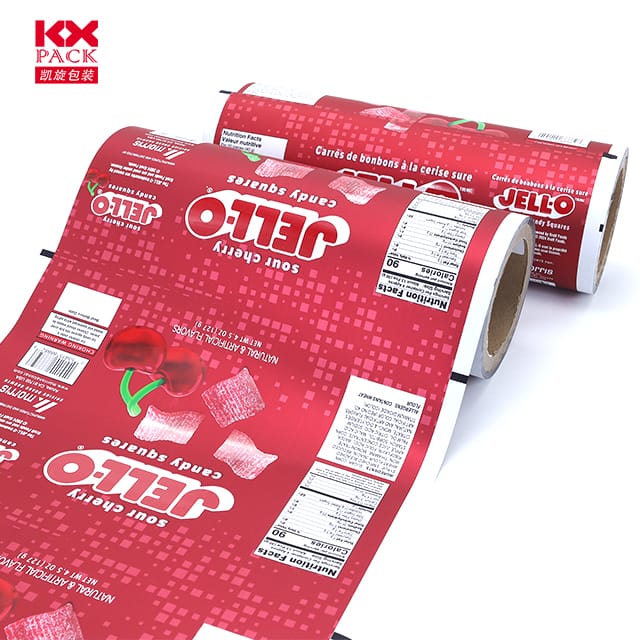
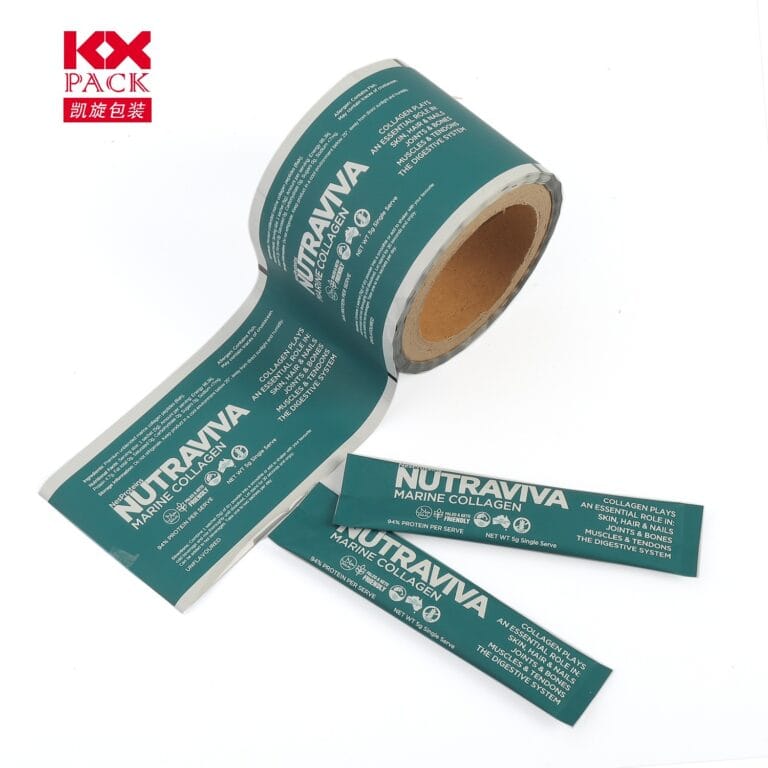
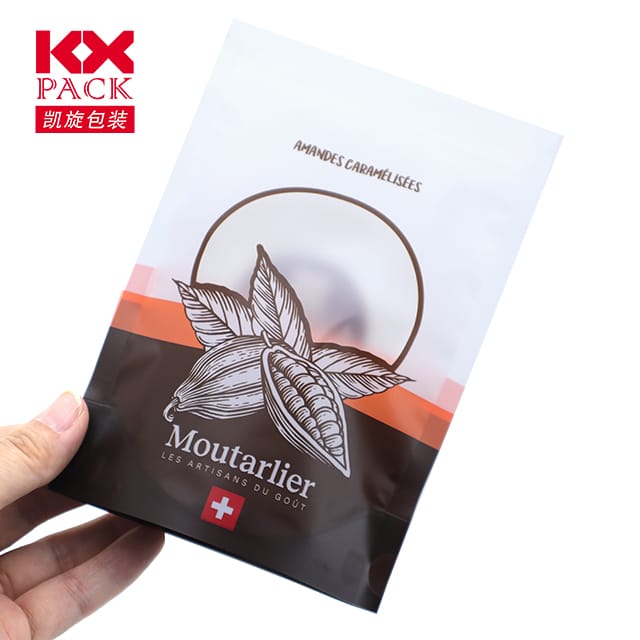
In supermarkets worldwide, plastfilmer pakker inn alt fra ferskvarer til ferdigkokte måltider, sikrer friskhet og forlenger holdbarheten. Ennå, etter hvert som miljøhensyn øker, disse gjennomsiktige, allsidige materialer ansikt gransking. La oss utforske rollen til plastfilmer i matemballasje, deres fordeler, ulemper, og innovasjonene som former en grønnere fremtid.
1. Why Plastic Films Dominate Food Packaging
Plastic films—thin layers of polymers likepolyetylen (PE), polypropylen (PP), og polyvinylklorid (PVC)—are ubiquitous for good reason:
- Preservation Power: They act as barriers against oxygen, fuktighet, og forurensninger, slowing spoilage. For eksempel, modifisert atmosfære emballasje (KART) uses plastic films to regulate gas levels, keeping strawberries fresh for weeks.
- Kostnadseffektivitet: Producing plastic films is cheaper than alternatives like glass or metal, making them ideal for mass-market goods.
- Lightweight and Flexible: Their malleability allows custom shapes for snacks, kjøtt, and cheeses, reduserer materialavfall sammenlignet med stiv emballasje.
- Åpenhet: Clear films let consumers inspect products without opening them, boosting trust and reducing food waste from damaged goods.
2. The Environmental Toll: A Crisis in the Making
Despite their advantages, plastic films contribute significantly to global pollution:
- Single-Use Dominance: Over 80% of plastic films are used once and discarded, havner på søppelfyllinger eller hav. EN 2022 study found that plastic packaging accounts for 46% of global plastic waste, with films being a major culprit.
- Recycling Challenges: Most films are non-recyclable due to contamination (F.eks., food residue) or mixed materials (F.eks., PE combined with adhesives). Bare 4% of plastic films are recycled in the U.S., per the EPA.
- Microplastic Menace: Degraded films break into microplastics, infiltrating ecosystems and even human bodies. Research suggests the average person ingests 5 grams of microplastics weekly—equivalent to a credit card.
3. Innovations Redefining Plastic Films
The industry is pivoting toward sustainability through these breakthroughs:
- Biodegradable Alternatives:
- Polylactic acid (PLA): Derived from corn starch, PLA films decompose in industrial composters within 90 dager. Merker som NatureWorks are using PLA for fresh salads and sandwiches.
- Cellulose-based Films: Made from plant fibers, these films are edible and home-compostable. Bedrifter liker TYPE offer compostable wraps for granola bars and coffee pods.
- Avanserte resirkuleringsteknologier:
- Kjemisk resirkulering: Processes like pyrolysis break down mixed plastics into raw materials for new films. Nestlé and Danone are investing in this tech to recycle flexible packaging.
- Enzymatic Breakdown: Startups like Carbios use enzymes to depolymerize PET films into reusable monomers, closing the loop.
- Smart Films for Extended Shelf Life:
- Aktiv emballasje: Films infused with oksygenfjernere eller antimicrobial agents (F.eks., silver nanoparticles) can double the lifespan of perishables like meat and cheese.
- Edible Coatings: Thin layers of chitosan (from shellfish) eller beeswax create breathable barriers, reducing reliance on synthetic plastics.
4. Veien videre: Balancing Practicality and Planet
While innovations are promising, systemic changes are needed:
- Policy Push: Governments must enforce extended producer responsibility (EPJ) laws, requiring brands to fund recycling infrastructure. The EU’s Single-Use Plastics Directive bans non-compostable films by 2030.
- Consumer Behavior Shifts: Educating shoppers to opt for reusable containers or bulk purchases can cut film use. Zero-waste stores, which allow customers to fill their own jars, får gjennomslag.
- Industry Collaboration: Initiativer som Ny global forpliktelse for plastøkonomi unite 500+ companies to eliminate problematic plastics and boost recycled content in films.
Konklusjon: Rethinking the “Wrap” on Food Packaging
Plastic films are a testament to human ingenuity—protecting food, redusere avfall, and enabling global food trade. Ennå, their environmental cost demands urgent action. By embracing biodegradable materials, investing in recycling tech, and redesigning systems for circularity, we can preserve both convenience and the planet.
Next time you unwrap a snack, ask yourself: Could this film be part of the solution, not the problem? Share your sustainable packaging hacks in the comments! 🌍🍴