Fremtiden for emballasjefilmer: Bærekraft, Innovasjon, og forbrukertrender
Packaging Films
In a world where convenience meets environmental consciousness, emballasjefilmer har blitt en hjørnestein i moderne produktbeskyttelse, bevaring, og presentasjon. Fra matemballasje til legemidler, disse tynne, allsidige materialer beskytter varer samtidig som de forlenger holdbarheten og reduserer avfall. Men etter hvert som den globale etterspørselen vokser, det samme gjør behovet for å ta tak i bærekraftsutfordringer. Let’s explore the evolving landscape of packaging films, including eco-friendly innovations, cutting-edge technologies, and shifting consumer expectations.
What Are Packaging Films?
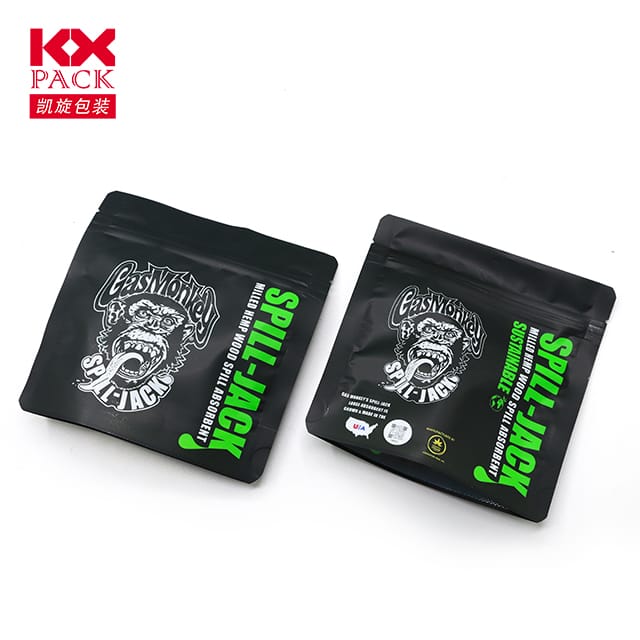
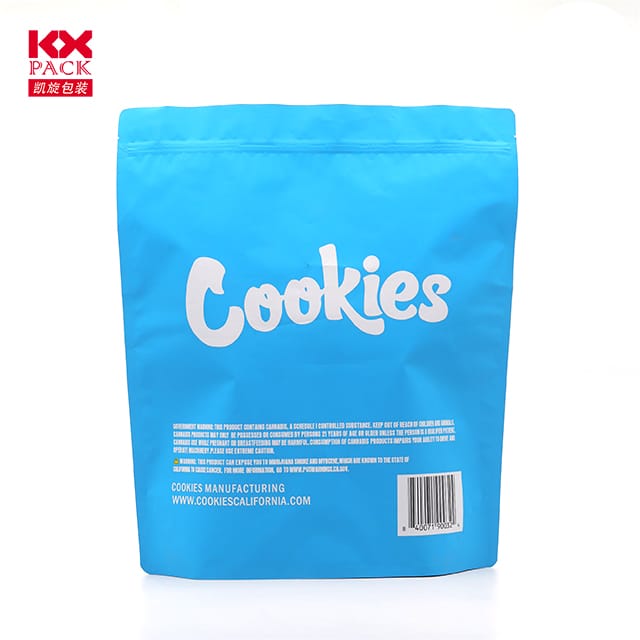
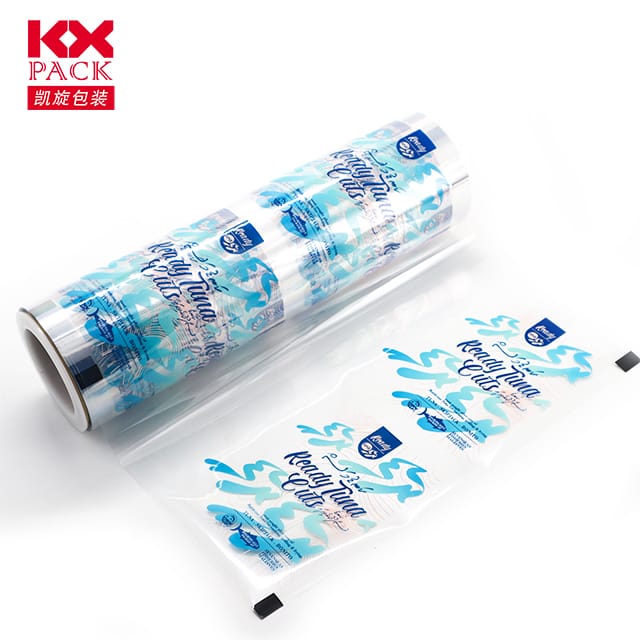
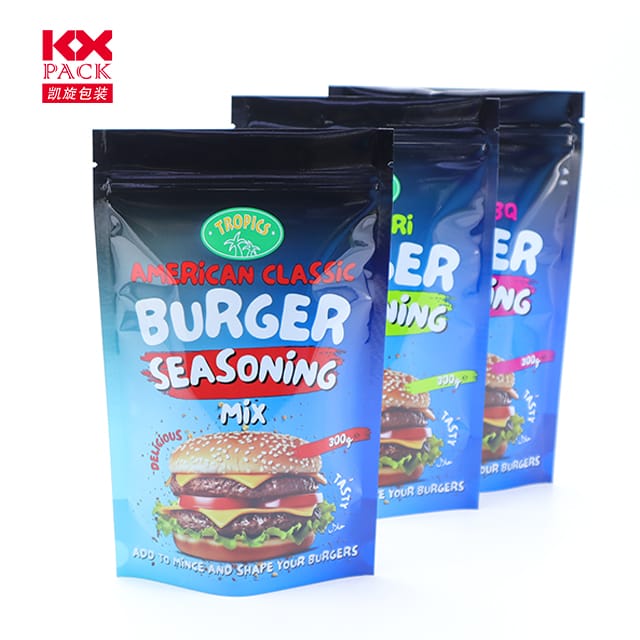
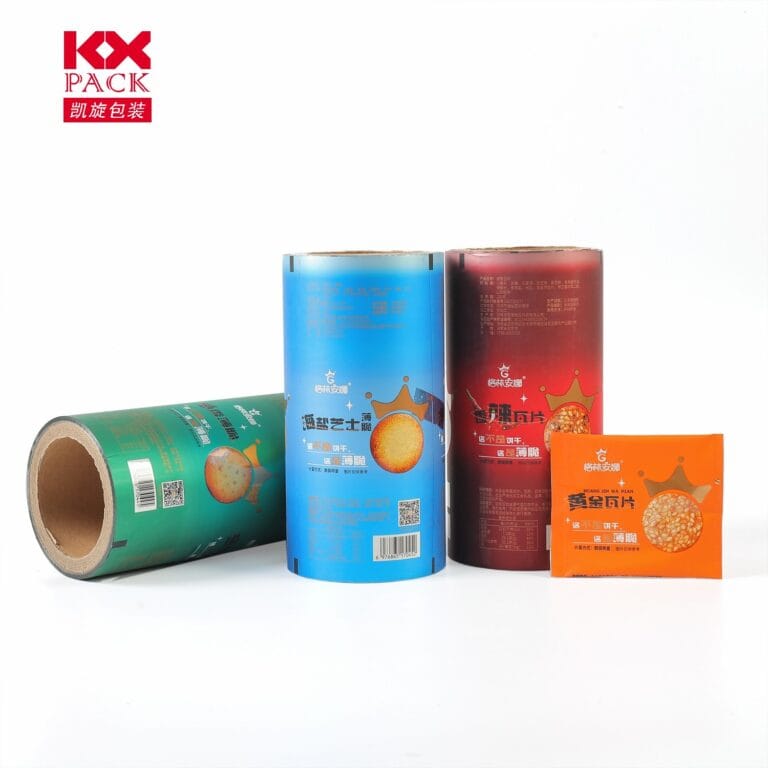
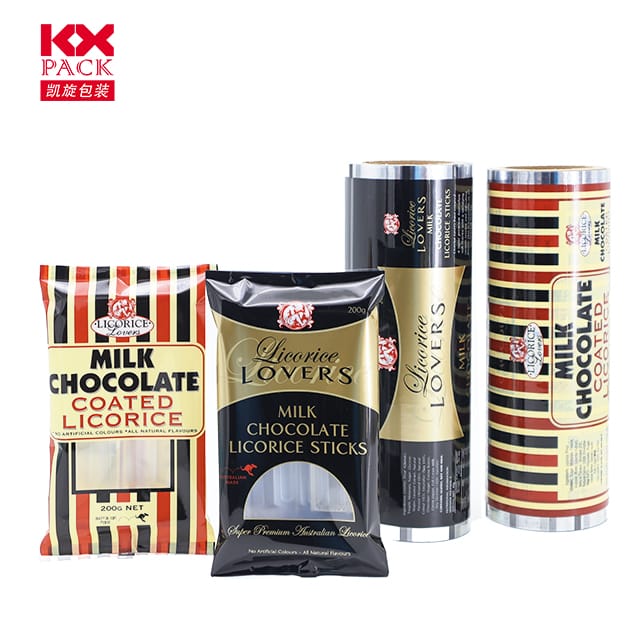
Packaging films are thin, flexible materials used to wrap, forsegle, or protect products. Typically made from plastics like polyethylene (PE), polypropylen (PP), or polyester (KJÆLEDYR), they can also incorporate biodegradable or compostable components. Their applications span industries:
- Mat & Drikke: Preserving freshness, preventing contamination, and enabling clear product visibility.
- Legemidler: Ensuring sterile, tamper-proof packaging for medications.
- Forbruksvarer: Enhancing shelf appeal for cosmetics, elektronikk, and household items.
- Jordbruk: Protecting crops with mulch films or silage wraps.
The Sustainability Imperative: Rethinking Traditional Films
While conventional plastic films are cost-effective and durable, their environmental impact is undeniable. Single-use plastics contribute to pollution, with millions of tons ending up in landfills or oceans annually. This has sparked a global push for sustainable alternatives:
- Biologisk nedbrytbare filmer
Made from plant-based materials like starch, cellulose, or polylactic acid (PLA), these films break down naturally under specific conditions. For eksempel, compostable coffee pouches or biodegradable produce wraps are gaining traction in eco-conscious markets. - Resirkulerbare filmer
Innovations in mono-material films (F.eks., single-layer PE) simplify recycling processes. Brands are also adopting “design for recycling” principles, avoiding mixed materials that are hard to separate. - Paper-Based Laminates
Combining paper with a thin plastic coating offers a recyclable or compostable option for dry goods like snacks or cereals. - Reusable Systems
Some companies are experimenting with refillable packaging films, encouraging consumers to return containers for sterilization and reuse.
Tech Trends Shaping the Industry
The packaging film sector is buzzing with technological advancements aimed at efficiency and sustainability:
- Smarte filmer: Embedded with sensors or indicators, these films monitor freshness (F.eks., color-changing labels for meat spoilage) or detect tampering.
- Nanoteknologi: Nano-coatings enhance barrier properties, keeping oxygen or moisture out without adding bulk.
- 3D Printing: Customized films with intricate designs or functional layers can now be produced on demand, redusere avfall.
- AI-drevet design: Machine learning optimizes material usage, tykkelse, and performance, cutting costs and environmental footprints.
Consumer Demand: Transparency and Eco-Conscious Choices
Today’s shoppers prioritize sustainability—and they’re voting with their wallets. EN 2023 survey by McKinsey found that 75% of consumers consider environmental impact when purchasing packaged goods. This shift is driving brands to:
- Clearly label recycling instructions or eco-certifications.
- Adopt minimalist packaging to reduce material use.
- Partner with recycling programs or take-back initiatives.
Challenges and the Road Ahead
Til tross for fremgang, hurdles remain:
- Koste: Sustainable films often come at a premium, though economies of scale are gradually closing the gap.
- Ytelse: Biodegradable materials may lack the durability or barrier properties of traditional plastics.
- Infrastructure: Recycling facilities for compostable films are limited in many regions.
derimot, industry collaboration and regulatory pressure (F.eks., EU bans on single-use plastics) are accelerating change. Companies are investing heavily in R&D to create films that are both planet-friendly and functional.
Konklusjon: A Wrap on the Future of Packaging Films
Packaging films are at a crossroads—balancing the need for protection and convenience with the planet’s health. As innovation surges, the industry is moving toward a circular economy model, where materials are reused, resirkulert, or safely returned to nature. For bedrifter, staying ahead means embracing sustainability as a core value, not just a trend. For forbrukere, supporting brands that prioritize eco-friendly packaging sends a powerful message.
What’s your take on sustainable packaging films? Share your thoughts or favorite eco-brands in the comments below! 🌍✨