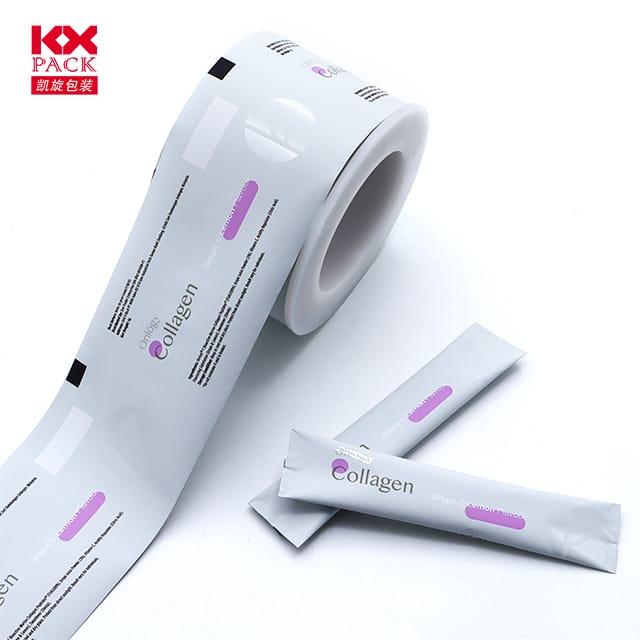
Emballasjefilm: Den ubesungne helten til moderne forbrukerisme
Emballasjefilm
In the world of commerce, hvor førsteinntrykk betyr noe og produktbeskyttelse er ikke omsettelig, emballasjefilm plays a quiet yet pivotal role. Fra den skarpe forseglingen på morgenblandingen til de krympepakkede pallene på et lager, dette fleksible materialet holder produktene trygge, fersk, og visuelt tiltalende. La oss pakke ut vitenskapen, innovasjon, and sustainability behind packaging film—and why it’s more than just “plastic wrap.”
What Is Packaging Film?
Packaging film is a thin, flexible material (often made from polymers like polyethylene, polypropylen, or biodegradable alternatives) used to wrap, forsegle, or protect goods. It comes in various forms:
- Strekkfilm: For bundling pallets or securing items during shipping.
- Shrink Film: Shrinks tightly when heated, creating a tamper-proof seal.
- Barrierefilmer: Blocks oxygen, fuktighet, or light to preserve food and pharmaceuticals.
- Biologisk nedbrytbare filmer: Eco-friendly options made from plant-based materials or compostable polymers.
Why Is It So Essential?
- Produktbeskyttelse:
- Shields items from dust, fuktighet, and physical damage.
- Extends shelf life for perishables (F.eks., kjøtt, ost, produsere) by preventing spoilage.
- Brand Visibility:
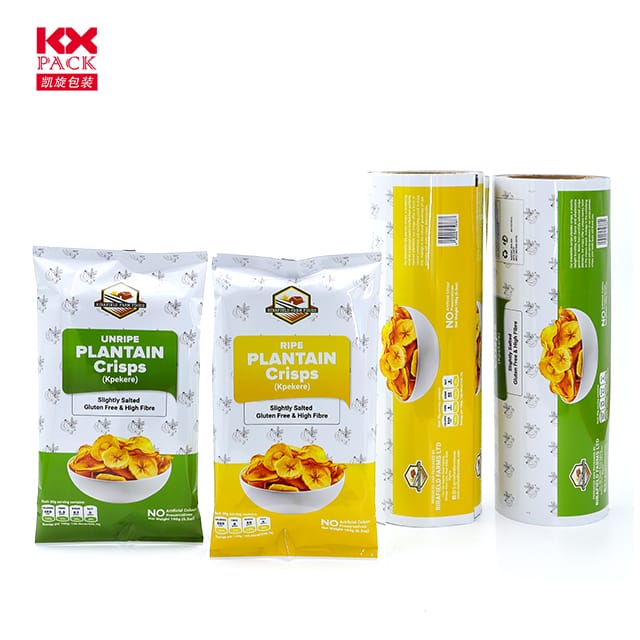
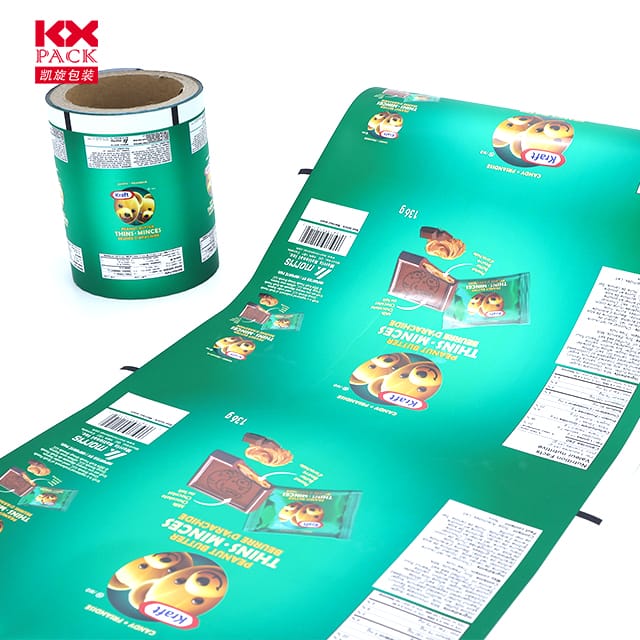
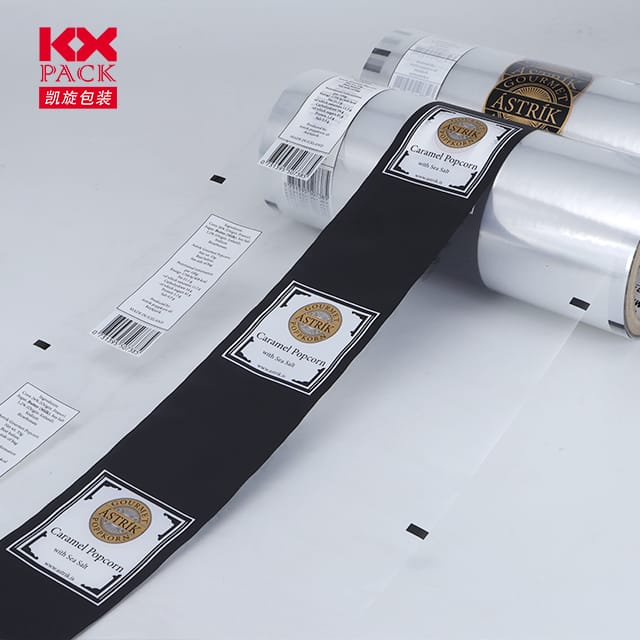
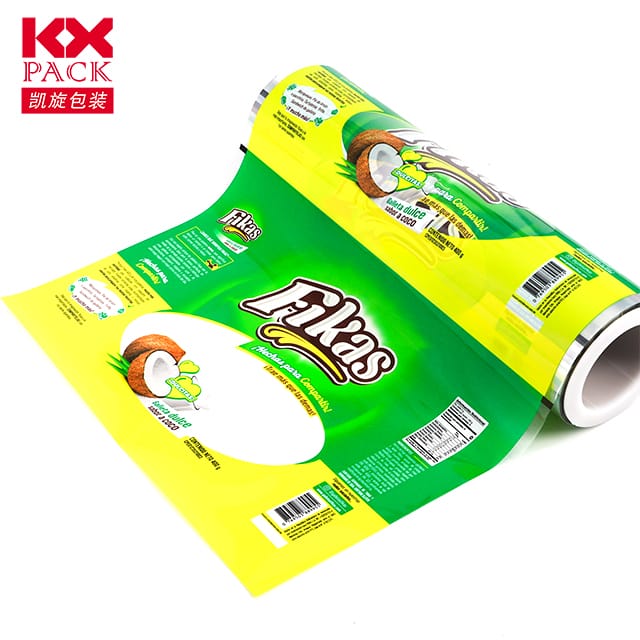
- Custom-printed films turn packaging into a marketing tool, forsterke merkevareidentiteten.
- Effektivitet & Cost Savings:
- Lett og plassbesparende, reducing shipping costs and carbon footprints.
- Automated machinery allows high-speed packaging for mass production.
- Bekvemmelighet:
- Resealable zippers or easy-tear features enhance user experience.
Innovasjoner som driver fremtiden
The packaging film industry is evolving rapidly to meet sustainability demands and functional needs:
- Bærekraftige materialer:
- Brands are shifting toward biologisk nedbrytbart, komposterbar, or recyclable films (F.eks., PLA, derived from corn starch).
- Resirkulert etter forbruk (PCR) content is becoming more common.
- Smart emballasje:
- Films embedded with sensors or QR codes track freshness, oppdage lekkasjer, or provide anti-counterfeiting measures.
- Spiselige filmer (made from seaweed or starch) are emerging for single-use food wraps.
- Tynnere, Stronger Films:
- Nanotechnology improves barrier properties, allowing thinner films without sacrificing strength.
- Løsninger for sirkulær økonomi:
- Companies are designing films for easier recycling or reuse (F.eks., mono-material pouches).
Challenges on the Horizon
Til tross for fordelene, packaging film faces criticism:
- Plastic Waste: Single-use films contribute to landfills and ocean pollution.
- Recycling Hurdles: Flerlags filmer (common in snack packaging) are hard to recycle.
- Kostnad vs. Bærekraft: Eco-friendly alternatives often cost more, slowing adoption.
Veien videre: Balancing Innovation and Responsibility
The future of packaging film lies insmarter, greener solutions:
- Industry Collaboration: Brands, suppliers, and recyclers must work together to standardize eco-friendly materials.
- Forbrukerutdanning: Encouraging recycling and proper disposal of films.
- Regulatorisk push: Governments are introducing bans on single-use plastics, incentivizing innovation.
Konklusjon
Packaging film is a testament to human ingenuity—a tiny layer that safeguards, promotes, and connects products to consumers. As we strive for a more sustainable future, the challenge is to harness its potential without compromising the planet. Whether it’s through biodegradable materials, smarte teknologier, or circular design, the next generation of packaging film will redefine how we protect, nåværende, and perceive the goods we love.
What’s your take? Do you prioritize eco-friendly packaging, or is functionality your top concern? La oss diskutere i kommentarene! 🌱📦
Stay curious, and subscribe for more insights into the materials that shape our world! 🚀